Zelenskyy: Russian strikes on nuclear sites ‘a danger for Ukraine and Europe’
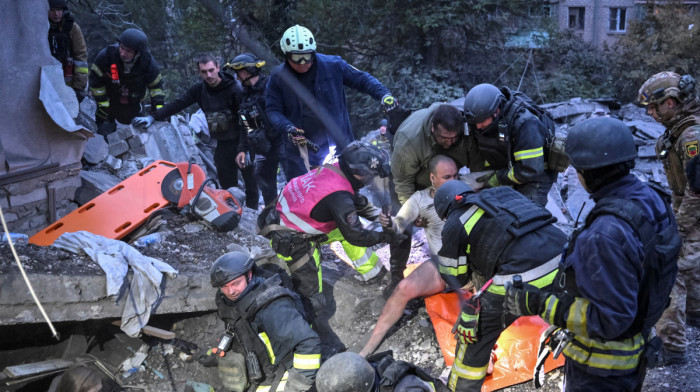
Russia launched a large-scale overnight attack on Ukraine’s energy system early on Saturday (7 January), hitting power generation and distribution f...
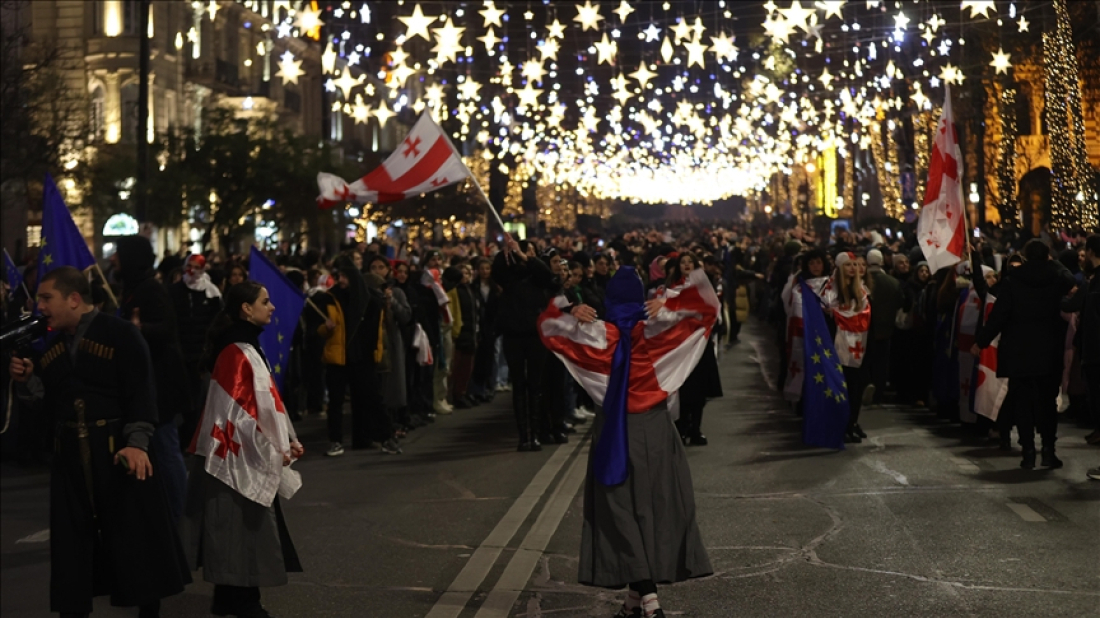
Pro-EU protests in Tbilisi continue into New Year’s Eve, with thousands demanding new elections after Georgia's EU talks were suspended, sparking tensions with Western nations.
Pro-European Union protests in Georgia, ongoing for over a month against the suspension of EU accession talks, continued on New Year’s Eve in Tbilisi.
The demonstrations began on November 28, following Prime Minister Irakli Kobakhidze's decision to delay EU negotiations for four years, citing "blackmail" by some EU politicians.
Protests escalated after the October 26 parliamentary elections due to the government’s stance on EU integration.
On New Year’s Eve, thousands gathered outside the parliament, sharing festive dishes along Shota Rustaveli Avenue and offering food to tourists. The crowd celebrated 2025 with fireworks and chants demanding new elections while waving EU and Georgian flags.
The government has accused Western-backed forces, including supporters of former President Salome Zourabichvili, of attempting a coup through protests. Meanwhile, the US and European countries have imposed sanctions on Georgian officials.

Winter weather has brought air travel in the German capital to a complete halt, stranding thousands of passengers as severe icing conditions make runways and aircraft unsafe for operation and force authorities to shut down one of Europe’s key transport hubs.
Storm Leonardo hit Spain and Portugal on Tuesday, forcing more than 11,000 people from their homes, as a man in Portugal died after his car was swept away by floodwaters and a second body was found in Malaga.
An attacker opened fire at the gates of a Shiite Muslim mosque in Islamabad on Friday before detonating a suicide bomb that killed at least 31 people in the deadliest assault of its kind in the capital in more than a decade.
Iran and the United States opened nuclear talks in Oman on Friday, with Tehran calling the meeting a good start and both sides agreeing to continue discussions after returning to their capitals for consultations.
Start your day informed with AnewZ Morning Brief: here are the top news stories for the 6th of February, covering the latest developments you need to know.
U.S. has become a central outside power in the south caucasus, shaping diplomacy, security and energy flows. Its relations with Azerbaijan and Armenia have evolved from similar beginnings into two distinct partnerships that now define Washington’s role in the region.
Iran would retaliate by striking U.S. military bases across the Middle East if it comes under attack by American forces, Foreign Minister Abbas Araghchi said on Saturday (7 January), stressing that such action should not be seen as targeting the countries hosting those bases.
Uzbekistan is preparing to introduce Islamic banking after the Senate approved legislation creating a legal framework for Sharia-compliant financial services, a move authorities say could broaden financial access and attract new investment into the country’s economy.
Agreements signed by the United States, Kazakhstan and Uzbekistan in Washington on 5 February show that the United States is changing how it secures access to strategic raw materials.
Azerbaijan has summoned Russia’s ambassador in Baku and issued a formal protest note over remarks by Russian lawmaker Konstantin Zatulin, escalating diplomatic tensions between the two countries.
You can download the AnewZ application from Play Store and the App Store.
What is your opinion on this topic?
Leave the first comment