Pakistan has reaffirmed its support for Saudi Arabia after Prime Minister Shehbaz Sharif condemned Houthi attacks in the Red Sea, warning that threats to Pakistani maritime interests could justify the lawful use of force.
Foreign Office issues unusually strong warning
Pakistan on Thursday reaffirmed its support for Saudi Arabia after Prime Minister Shehbaz Sharif condemned Houthi attacks on Saudi oil tankers during a telephone conversation with Crown Prince Mohammed bin Salman, reinforcing one of Islamabad's strongest warnings yet over security in the Red Sea.
According to the Prime Minister's Office, Sharif condemned the attacks "in the strongest possible terms", calling them a violation of international law that threatens freedom of navigation, commercial shipping and regional peace and stability. He reaffirmed Pakistan's "complete solidarity" with Saudi Arabia and reiterated support for the Kingdom's security, sovereignty, territorial integrity and prosperity.
Sharif also told the Saudi Crown Prince that Pakistan would continue working with the Kingdom and the international community to support peace, regional stability and the uninterrupted flow of lawful maritime commerce through the Red Sea, the Strait of Hormuz and the wider region. The Saudi Crown Prince thanked Pakistan for what the Prime Minister's Office described as its steadfast support and close bilateral ties.
The call came a day after Pakistan warned it reserved the right to take "all necessary measures, including lawful use of force" if Pakistani-flagged vessels or the country's maritime interests came under attack. The Foreign Office said any such incident would be treated as a grave threat to Pakistan's national security.
Islamabad also condemned Houthi threats against Saudi Arabia and commercial shipping in the Red Sea. It said the threats undermine freedom of navigation, challenge the rules-based maritime order and jeopardise global commerce, while warning against attempts to widen the Middle East conflict.
Red Sea crisis raises strategic stakes for Pakistan
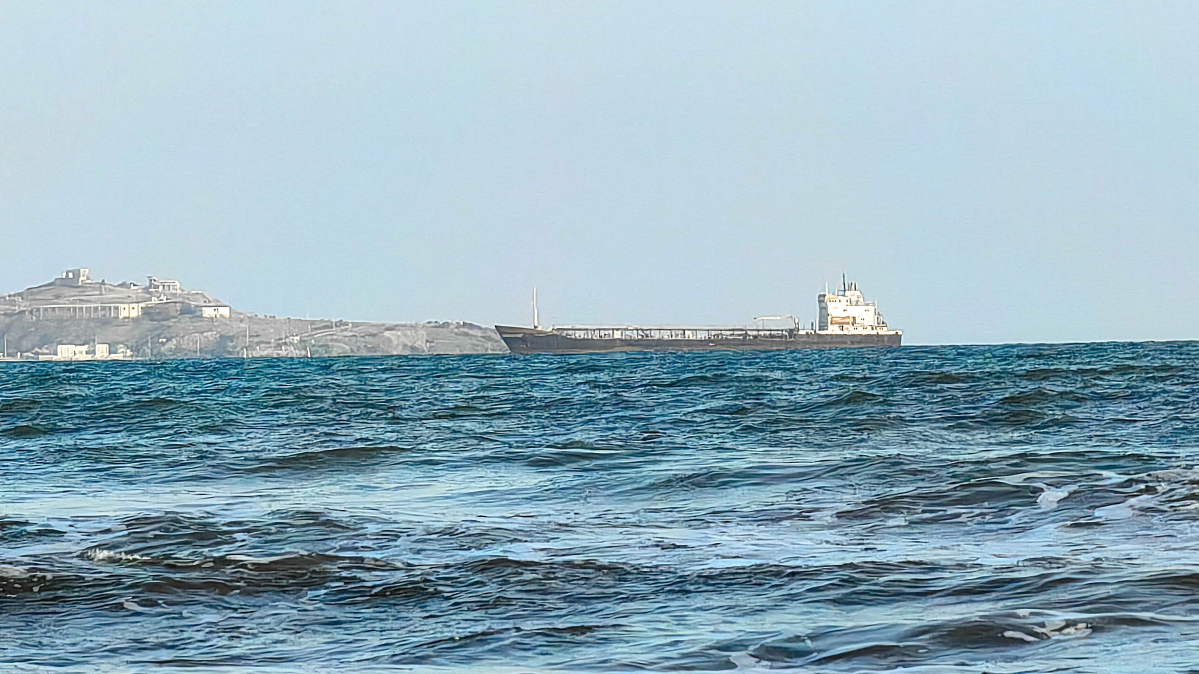
The latest developments came after the Houthis announced a maritime embargo targeting Saudi Arabia and later claimed attacks on two Saudi oil tankers, Encelia and Layla, in the Red Sea. Saudi authorities confirmed Encelia caught fire after being struck near Jizan, while all crew members were reported safe.
Pakistan's warning has been described as the strongest issued by a non-Arab country since the Houthi threats emerged. The Bab al-Mandab Strait, linking the Red Sea with the Gulf of Aden, is a vital shipping route for Pakistan's trade and energy supplies, as Saudi oil exports increasingly rely on the corridor following disruption in the Strait of Hormuz. Analysts warn that a full closure of the Bab al-Mandab Strait could reduce global oil supply by an estimated 7%.
As tensions spread beyond the Gulf, Pakistan is positioning itself not only as a close Saudi ally but also as a stakeholder in protecting one of the world's most important maritime trade corridors. This places Islamabad's latest diplomatic and security messaging within a broader international effort to safeguard global shipping, energy supplies and regional stability.



















What is your opinion on this topic?
Leave the first comment