live On-air TV channel hit as Russian strikes on Kyiv kill at least two
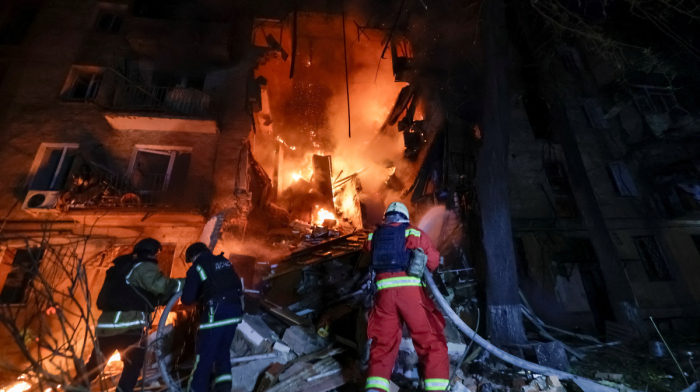
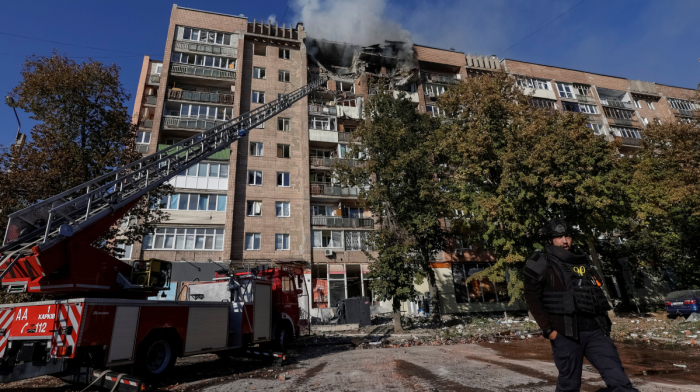
A TV channel was struck during a live broadcast on Tuesday, Ukrainian President Volodymyr Zelenskyy said, as Russian strikes on Kyiv killed at leas...
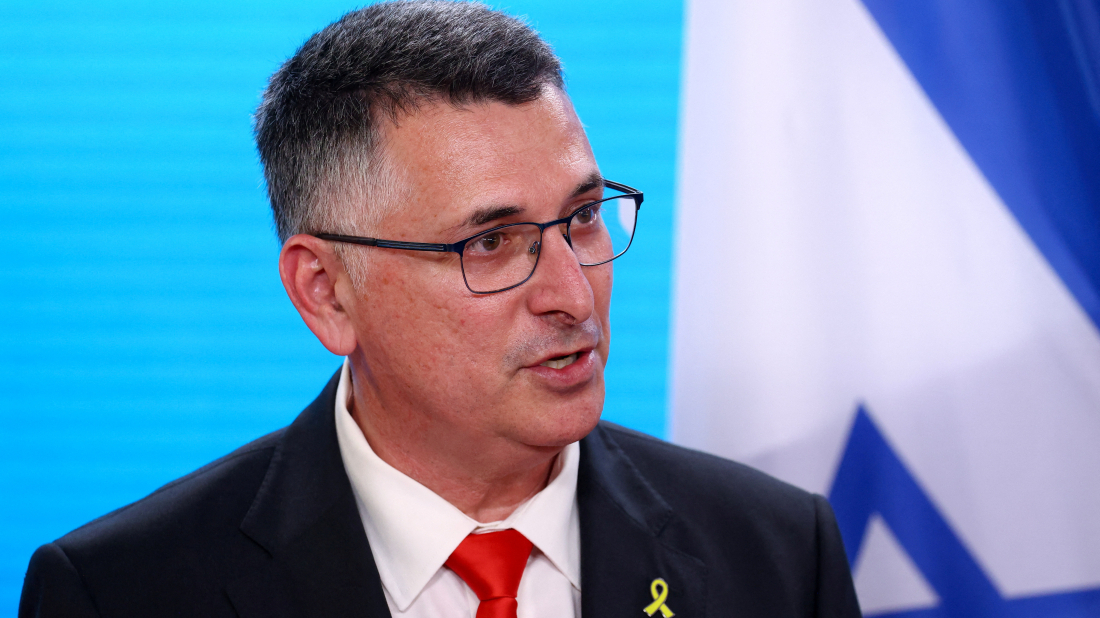
Israel’s Foreign Minister Gideon Sa’ar says Iran’s nuclear bomb development has been delayed by "at least two to three years" due to the ongoing conflict, while expressing doubt about diplomacy as European leaders push for renewed talks with Tehran in Geneva.
In a wide-ranging interview with the German newspaper Bild, Israeli Foreign Minister Gideon Sa’ar outlined Israel’s firm stance on Iran’s nuclear ambitions, stating that while a direct military confrontation has caused setbacks to Iran’s nuclear programme, Israel remains unwavering in its goal to neutralise the threat.
"We are committed to doing everything possible to eliminate the danger from Iran’s nuclear programme," Sa’ar said, adding that military pressure has bought the international community critical time.
Sa’ar, however, expressed deep scepticism toward diplomatic efforts. "I don’t really believe in diplomacy with Iran. All previous diplomatic efforts have been unsuccessful," he told Bild. Despite this, European leaders remain optimistic about dialogue.
Top European diplomats—including representatives from the UK, France, and Germany—met with Iranian Foreign Minister Abbas Araghchi and EU foreign policy chief Kaja Kallas on Friday in Geneva. The goal of the meeting was to de-escalate rising tensions and explore pathways to restart negotiations over Iran’s nuclear programme.
Asked whether Israel sees regime change in Tehran as an objective, Sa’ar said such a goal has not been formally adopted. "The Security Cabinet has not yet defined regime change as a goal in this war. At least not yet," he clarified.
The Geneva talks come at a time of heightened tensions across the Middle East, with both Israel and Iran intensifying rhetoric and operations. While the Israeli government remains cautious about setting long-term political goals for the conflict, the international community continues to seek channels for diplomatic resolution.

At least five people were killed and five others injured when an Amazon Prime Air cargo plane overran a runway and crashed while landing at Miami International Airport on Sunday, 6 September, local officials said.
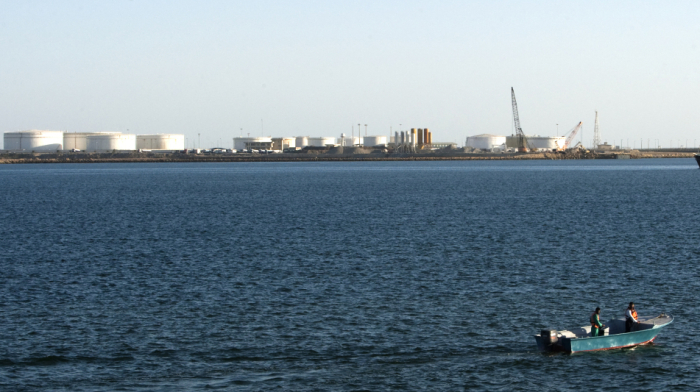
Iranian Parliament Speaker Mohammad Bagher Ghalibaf said on Sunday that the United States must recognise that the “rules of the game” in its war against Iran had changed “before it is too late”, a day after Washington struck several Iranian tankers in the Gulf.
U.S. special envoys Jared Kushner and Steve Witkoff have held talks with Ukrainian President Volodymyr Zelenskyy in Kyiv on Sunday on efforts to end Russia’s war in Ukraine.
Indonesia has reopened Jakarta's main airport and four others after volcanic ash from Mount Anak Krakatau forced widespread flight cancellations, though fresh eruptions have kept authorities on alert.
Seven Indonesian airports, including two serving Jakarta, remained closed early on Monday morning because of volcanic ash from eruptions at Mount Anak Krakatau, the transport minister said. One other airport in South Sumatra has been reopened.
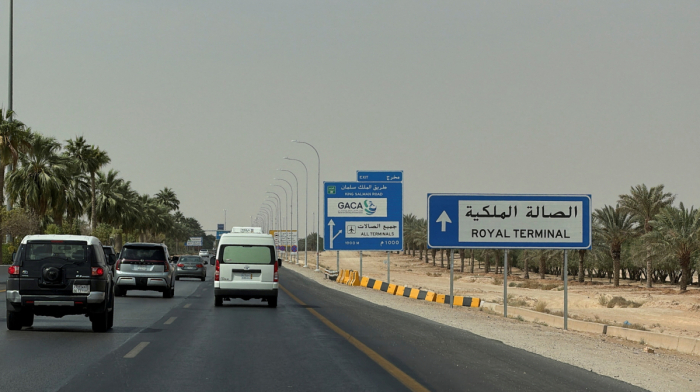
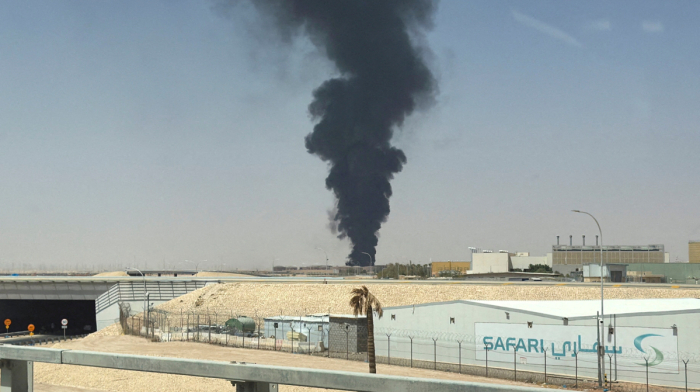
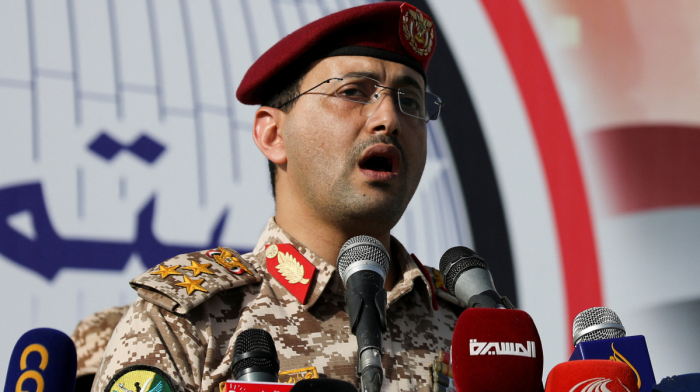
Operations at several energy facilities in Saudi Arabia were suspended on Tuesday after attacks by Iran-aligned Houthi forces injured more than 70 people and sparked fires, Saudi authorities said.
Syria's government has integrated armed factions into the national army and is restructuring its security institutions as part of a broader effort to consolidate state authority and support the country's post-conflict recovery, Foreign Minister Asaad al-Shaibani said on Monday.
Kazakhstan plans to build an international Earth observation satellite network of up to 14 spacecraft, expanding a project already bringing together Mongolia, the Republic of the Congo and Nigeria.
Iran has dismissed a joint U.S.-E3 draft resolution on its nuclear programme as “meaningless, illogical, and illegal”, saying Tehran is ready to respond if the measure is pursued at the ongoing IAEA board meeting in Vienna.
Pakistan faces a fresh test over preferential access to one of its biggest export markets as the European Union introduces a new GSP+ framework from January 2027, with tougher requirements on implementation, monitoring and reporting.
You can download the AnewZ application from Play Store and the App Store.
What is your opinion on this topic?
Leave the first comment