Series of rail accidents puts Spain’s high-speed network under scrutiny
Spain has faced a string of railway accidents in one week, including one of Europe’s deadliest in recent years, raising questions about whether main...
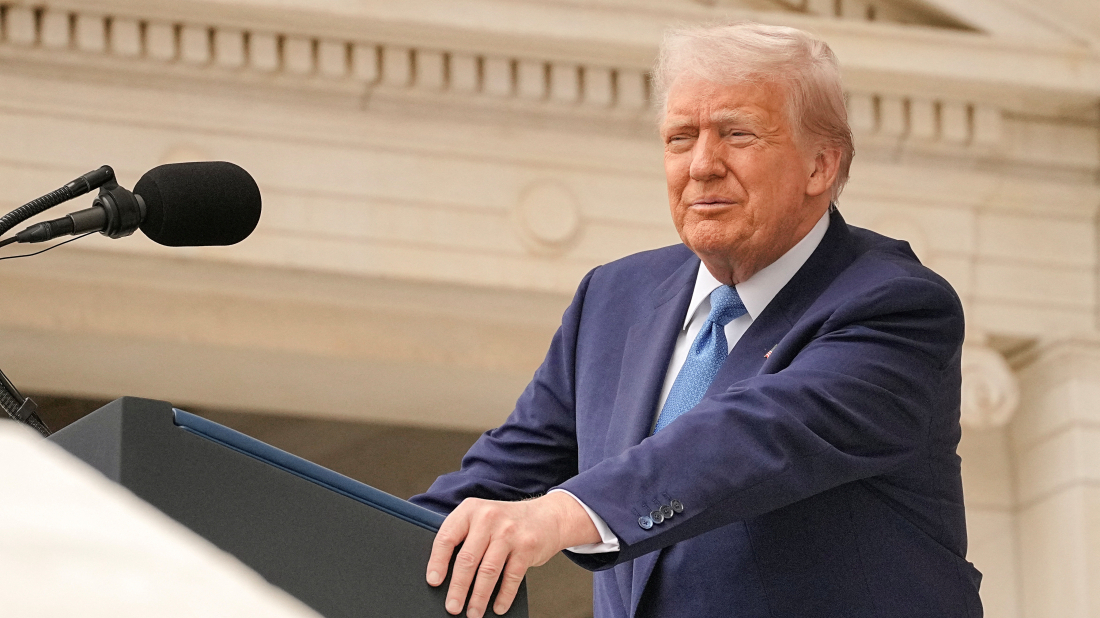
Iran said on Saturday that it has officially received a new nuclear deal proposal from U.S. President Donald Trump, delivered by Oman during a diplomatic visit to Tehran.
Iranian Deputy Foreign Minister Abbas Araghchi announced on X that Omani Foreign Minister Badr al-Busaidi visited Tehran and presented the elements of the offer.
He stated, “My esteemed brother, Oman’s distinguished Foreign Minister Busaidi, made a brief visit to Tehran today and presented elements of a U.S. proposal that will be answered appropriately, based on the Iranian people's principles, national interests, and rights.”
The nuclear talks between Iran and the United States remain deadlocked, with uranium enrichment at the heart of the disagreement.
Iran is demanding a lifting of sanctions in exchange for limits on its nuclear programme that prevent it from producing a nuclear weapon.
While U.S. officials had earlier signalled readiness to tolerate low-level enrichment, they now insist Iran must stop all enrichment activities across all levels.
So far, five rounds of indirect negotiations have taken place through Oman. No date or location has been confirmed for the next round.
According to U.S. media, Washington presented a written proposal to Iranian negotiators during the May 11 talks in Oman. Trump later confirmed this when asked, saying: “Yes, there is an offer. But Iran must act fast, or bad things will happen.”
Until now, Iranian officials had denied receiving any written proposal—today’s statement marks the first formal acknowledgement.

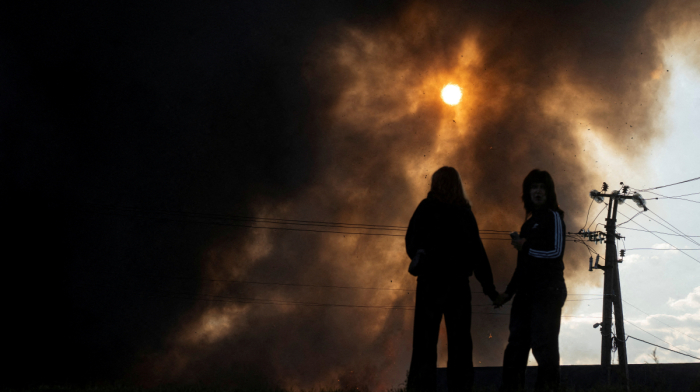
Firefighters were clearing the charred ruins of a Karachi shopping mall in Pakistan on Tuesday (20 January) as they searched for people still missing after a fire that burned for nearly two days and killed at least 67 people, police said.
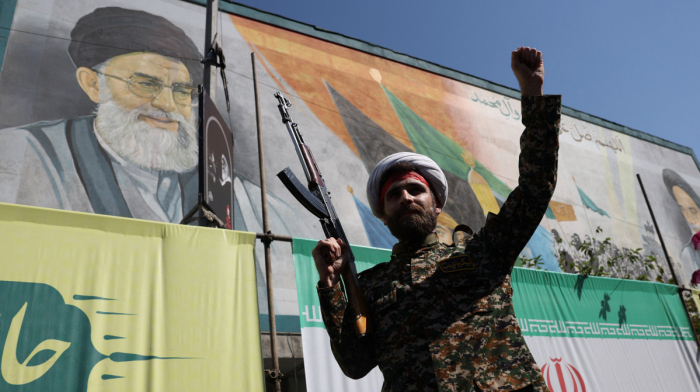
Iran will treat any military attack as an “all-out war,” a senior Iranian official said on Friday, as the United States moves additional naval and air assets into the Middle East amid rising tensions.
Trilateral negotiations between Ukraine, Russia and the U.S. entered a second day in Abu Dhabi on Saturday, following an initial round of talks described by officials as productive.
In the snowy peaks of Davos, where the world’s most powerful leaders gather for the 56th World Economic Forum, a new narrative is emerging that challenges the current dominance of artificial intelligence (AI).
"When the rules no longer protect you, you must protect yourself,” Canadian Prime Minister Mark Carney said in Davos on Tuesday (20 January), a speech that resonated at home and heightened tensions with U.S. President Donald Trump, who later withdrew Canada’s invitation to the Board of Peace.
A four-day ceasefire agreement between the Syrian government and Kurdish forces, which expired on Saturday night, has been extended by 15 days, Syria’s defence ministry said on Saturday.
Tens of thousands of people accused of links to Islamic State remain detained in camps across northeast Syria, as control shifts from Kurdish forces to the Syrian army, raising fresh legal, humanitarian and security concerns.
Uzbekistan has adopted new legislation regulating the use of artificial intelligence, introducing fines for the unlawful processing of personal data and banning legally binding decisions based solely on AI systems.
Türkiye’s Foreign Minister Hakan Fidan said on 23 January there are signs Israel is still seeking an opportunity to attack Iran, warning that such a move could further destabilise the Middle East.
U.S. President Donald Trump thanked Azerbaijan and Armenia for upholding last August’s peace deal and said Vice President J.D. Vance will visit both countries in February.
You can download the AnewZ application from Play Store and the App Store.
What is your opinion on this topic?
Leave the first comment