live Qatar shoots down Iranian jets: All the latest news on the Iran strikes
The Middle East crisis intensifies after the deadly attack on the compound of the Supreme Leader of Iran Ali Khamenei on Saturday t...
Azerbaijan and Kazakhstan signed a joint declaration and pledged closer cooperation on Tuesday, as their presidents hailed a new era of regional connectivity and peace following a summit in Astana.
Presidents Ilham Aliyev and Kassym-Jomart Tokayev signed several agreements during the second meeting of the Azerbaijan-Kazakhstan Supreme Interstate Council in Astana on Tuesday, marking the 20th anniversary of their strategic partnership treaty.
The leaders endorsed the newly established Council of Foreign Ministers and issued decisions to strengthen bilateral ties across transport, energy and security sectors.
Speaking after the ceremony, President Aliyev said Azerbaijan had lifted all restrictions on transit goods to Armenia, adding that the first such shipment — Kazakh grain — had already been delivered. “This is a clear indication that peace between Azerbaijan and Armenia exists not only on paper but also in practice,” he said.
Aliyev further announced that all domestic infrastructure for the long-planned Zangezur Corridor would be completed by mid-2026, with full regional opening possible by the end of 2028. The corridor is part of broader efforts to connect the South Caucasus and Central Asia within the so-called Middle Corridor trade network.
Highlighting international backing, Aliyev reaffirmed support for the TRIPP project (Trump Route for International Peace and Prosperity), describing it as “another route for the Middle Corridor” with expected cargo turnover of 15 million tonnes.
President Tokayev called the recent Washington-brokered peace agreements between Azerbaijan and Armenia “historically important,” praising his counterpart’s “firm political will” in pursuing a peaceful settlement. He also emphasised that Azerbaijan remains a “fraternal state” for Kazakhstan, united by shared cultural and historical ties.
Both leaders underlined the geopolitical importance of growing Baku–Astana cooperation, with Tokayev stating the visit “holds critical significance for the development of strategic partnership.”
Kazakhstan has consistently supported Azerbaijan’s territorial integrity during previous conflicts, Aliyev noted, expressing gratitude for Astana’s diplomatic stance.
The Supreme Council session concluded with a pledge to deepen collaboration on infrastructure, trade, and foreign policy coordination — with both presidents positioning their countries as key players in an emerging Eurasian transport and political architecture.

Follow the latest developments and global reaction after the U.S. and Israel launched “major combat operations” in Iran, prompting retaliation from Tehran.
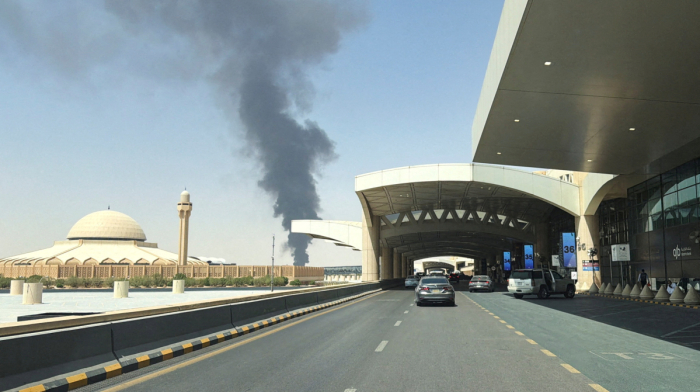
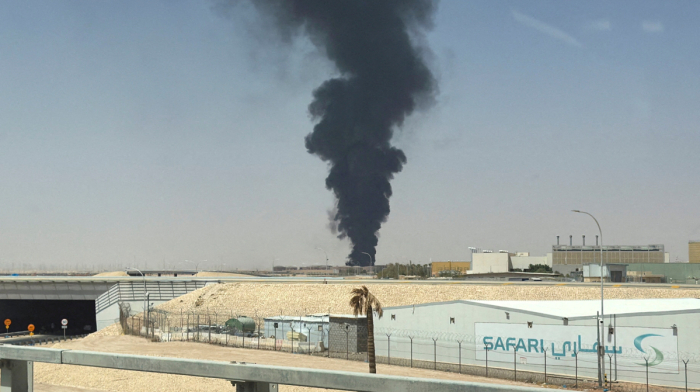
Saudi Arabia’s state oil giant Saudi Aramco closed its Ras Tanura refinery on Monday following an Iranian drone strike, an industry source told Reuters as Tehran retaliated across the Gulf after a U.S.-Israeli attack on Iranian targets over the weekend.
The Kremlin is utilising the recent United States and Israeli military strikes on Iran to validate its ongoing war in Ukraine. Russian officials are pointing to the escalation in the Middle East as evidence that Western nations do not adhere to international rules.
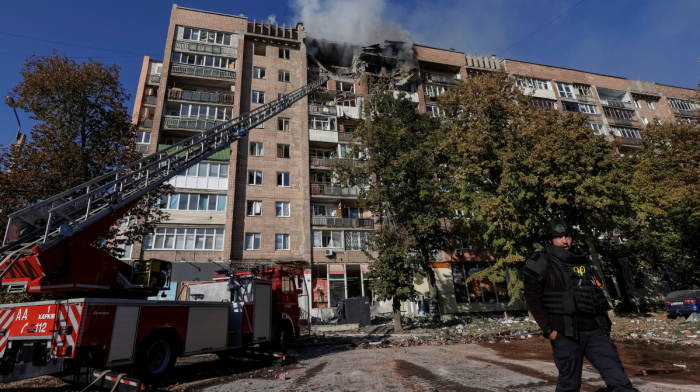
The Middle East crisis intensifies after the deadly attack on the compound of the Supreme Leader of Iran Ali Khamenei on Saturday that killed him, other family members and senior figures. Iran has launched retaliatory strikes on U.S. targets in the region.
Ayatollah Alireza Arafi has moved into a pivotal constitutional role following the death of Supreme Leader Ayatollah Ali Khamenei, becoming the clerical member of Iran’s temporary leadership council under Article 111 of the Constitution of the Islamic Republic of Iran.
Türkiye and Iran have suspended day-trip passenger crossings at their shared border, Türkiye's trade minister said Monday, as a U.S.-Israeli military campaign against Iran entered its third day.
China’s Foreign Minister Wang Yi has held talks with his Russian counterpart Sergei Lavrov following recent military strikes carried out by the United States and Israel on targets in Iran, as tensions in the Middle East continue to rise.
Uzbekistan has expressed deep concern over the rapid escalation of tensions in the Middle East, urging restraint and diplomatic resolution as the conflict begins to affect civilian aviation and regional security.
As tensions escalate in the Middle East, Kazakhstan is assessing the impact on its trade routes, diplomatic ties and citizens in the region. Analysts say the crisis could test Astana’s ability to balance economic interests, security concerns and foreign policy priorities.
Israel carried out heavy airstrikes on the Hezbollah-controlled southern suburbs of Beirut on Monday (2 March), after the Iran-backed group launched missiles and drones towards Israel in retaliation for the killing of Iran's Supreme Leader Ali Khamenei.
You can download the AnewZ application from Play Store and the App Store.
What is your opinion on this topic?
Leave the first comment