Saudi Arabia intercepts drone over Riyadh amid rising Houthi attacks
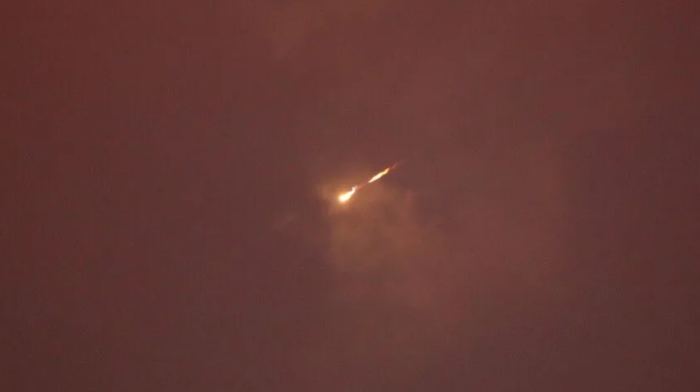
Saudi Arabia’s air defences have intercepted and destroyed a hostile drone over the Riyadh region, according to the Saudi-led coalition fight...
Hamas has postponed the release of Israeli hostages, citing Israeli breaches of the ceasefire, including delays in aid and return of displaced Gazans. Israel has rejected the claims and ordered military readiness at the highest level. Talks mediated by Qatar and Egypt show little progress.
Hamas announced on Monday that it would halt the scheduled release of Israeli hostages, accusing Israel of violating the ceasefire deal that came into effect on January 19. The group claims Israel delayed the return of displaced Palestinians to northern Gaza, obstructed humanitarian aid, and targeted civilians.
Israeli Defence Minister Israel Katz dismissed Hamas' claims, stating that the militant group itself had violated the agreement. He said he had instructed the military to maintain the highest level of readiness in Gaza and to protect Israeli communities.
The ceasefire, brokered by Qatar, Egypt, and the U.S., has largely held, but sporadic incidents have heightened tensions. Mediators now fear the agreement is on the brink of collapse.
So far, 16 out of 33 Israeli hostages scheduled for release in the first phase of the deal have been freed, along with five Thai nationals. In return, Israel has released hundreds of Palestinian prisoners. However, Hamas argues that Israel has failed to uphold key conditions, particularly regarding aid deliveries.
Israeli Prime Minister Benjamin Netanyahu held security consultations on Monday, while the security cabinet is set to convene on Tuesday. Meanwhile, an Israeli delegation returned from ceasefire talks in Qatar, but negotiations remain deadlocked due to growing mistrust between both sides.
In a separate development, former U.S. President Donald Trump suggested relocating Palestinians out of Gaza to develop the enclave into a U.S.-controlled waterfront real estate project. Israeli Prime Minister Netanyahu endorsed the remarks, sparking tensions with Egypt, which accused Israel of stalling ceasefire progress.
As talks for a second phase of the ceasefire remain stalled, uncertainty looms over the agreement’s future and the fate of the remaining hostages.
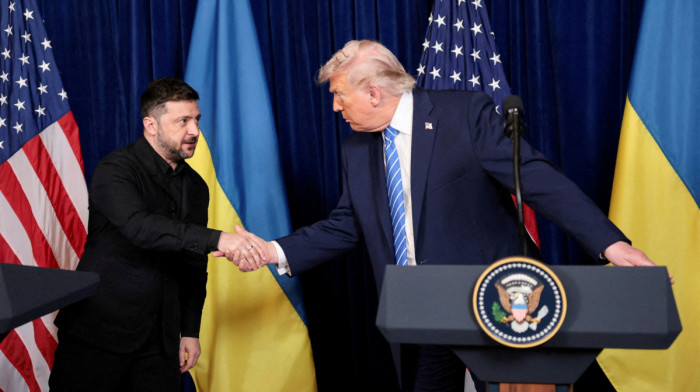
The U.S. has approved the sale of 500 Patriot PAC-3 missiles to Ukraine in a deal worth an estimated $2.1 billion, but Kyiv could face years of delays before receiving the weapons it urgently needs to defend against intensifying Russian attacks.
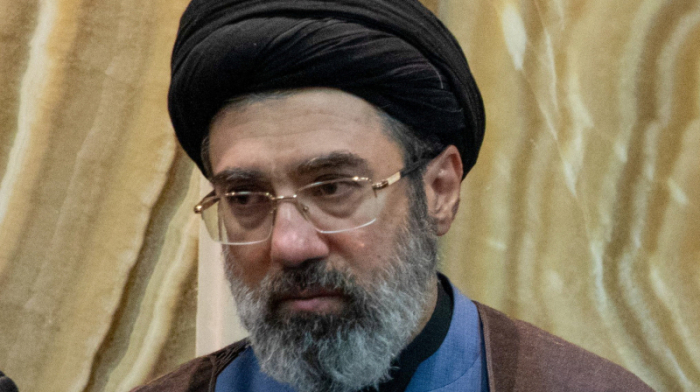
Iranian Supreme Leader Ayatollah Khamenei has ordered Iran's armed forces to respond to any threat immediately and without geographical limits in statements posted to social media platforms on Saturday (31 October).
Demonstrators carrying Iranian flags and placards supporting the hijab gathered outside the Azerbaijani Embassy in London.
A Chinese-made AI chip has matched Nvidia’s H200 in tests conducted by its developer, marking a potential breakthrough in China’s efforts to reduce its dependence on foreign technology.
A hacking group linked to North Korea is widely believed to be behind the theft of $6.3 billion from cryptocurrency giant Binance, a cyberattack that experts describe as the largest cryptocurrency heist on record.
Saudi Arabia’s air defences have intercepted and destroyed a hostile drone over the Riyadh region, according to the Saudi-led coalition fighting in Yemen. No casualties were reported.
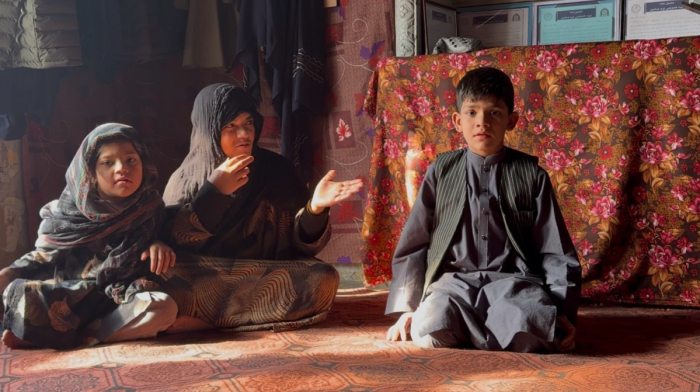
Since 2021, only 9 per cent of $8 billion in humanitarian aid for Afghanistan can be traced beyond initial recipients in public records, a Kabul Institute report released on 22 October said. The United Nations says its oversight systems ensure accountability.
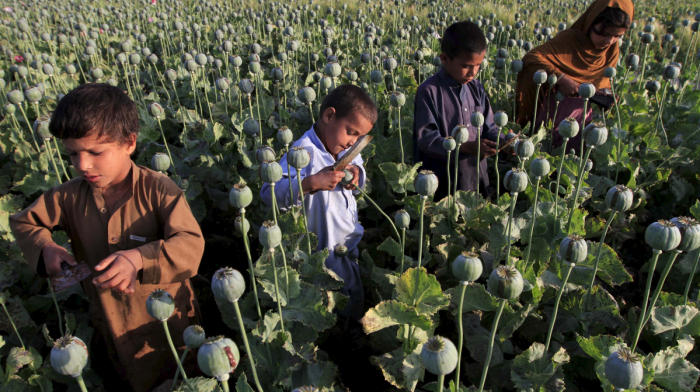
Opium poppy cultivation in Afghanistan surged by 330 per cent in 2026 despite a four-year ban, the United Nations said on Thursday. Afghan authorities disputed the findings, while Japan urged continued support for farmers seeking alternative livelihoods.
Demonstrators carrying Iranian flags and placards supporting the hijab gathered outside the Azerbaijani Embassy in London.
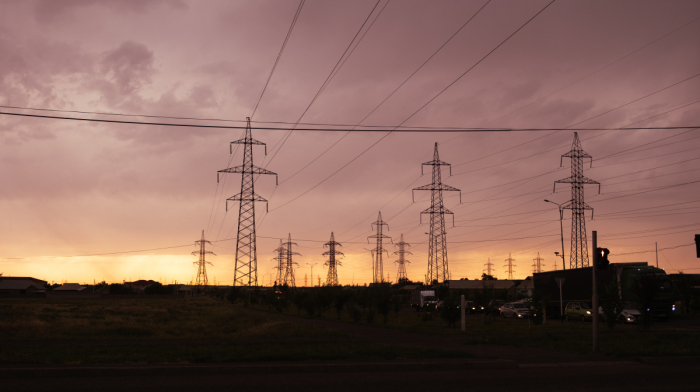
Central Asia could gain up to $640 million a year from closer energy cooperation, but strained electricity grids threaten to limit those gains, with Kazakhstan particularly exposed to regional power shortages and growing pressure on its network.
You can download the AnewZ application from Play Store and the App Store.
What is your opinion on this topic?
Leave the first comment