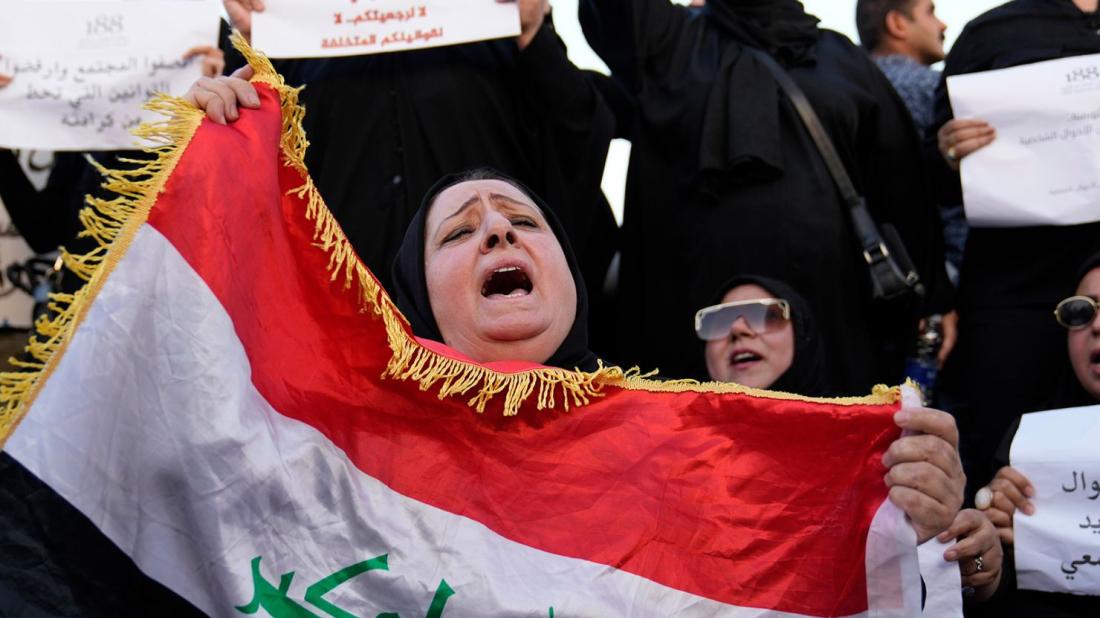
Iraq’s parliament passed amendments to the country’s personal status law on Tuesday that critics claim could legalize child marriage, sparking intense backlash from human rights activists and lawmakers.
The amendments grant Islamic courts greater authority over family matters, including marriage, divorce, and inheritance. While Iraqi law currently sets the legal marriage age at 18, the changes allow clerics to decide cases based on Islamic law, which in some interpretations permits marriage for girls as young as nine.
Advocates of the amendments, largely conservative Shiite lawmakers, argue that the changes align family law with Islamic principles and reduce Western influence. However, opponents, including women’s rights groups, warn the amendments undermine Iraq’s 1959 Personal Status Law, which unified family law and established protections for women and children.
“This will leave disastrous effects on the rights of women and girls,” said Intisar al-Mayali, a human rights activist, citing concerns over early marriage, custody disputes, and inheritance issues.
Voting Chaos and Legislative Controversy
The session was marred by accusations of procedural violations, with some lawmakers alleging that the legal quorum was not met. All three controversial laws on the agenda — including the personal status amendments, a general amnesty law, and a land restitution law for Kurdish territorial claims — were bundled into a single vote, sparking further criticism.
“Half of the lawmakers present in the session did not vote, which broke the legal quorum,” said a parliamentary official who spoke on condition of anonymity. Protests erupted in the chamber, with some members climbing onto the podium in objection.
Independent MP Raid al-Maliki expressed dissatisfaction with the voting process, stating, “We strongly support the civil status law, but combining it with other laws in one vote might lead to a legal appeal at the Federal Court.”
Parliament Speaker Mahmoud al-Mashhadani defended the outcome, calling the laws’ passage “an important step in enhancing justice and organizing the daily lives of citizens.”
Broader Implications and Security Developments
The general amnesty law, another divisive measure, is seen by critics as benefitting Sunni detainees and potentially shielding individuals involved in corruption. Meanwhile, the land restitution law aims to address Kurdish territorial disputes but has also drawn controversy.
In a separate incident on Tuesday, three officers, including the national security chief of the al-Tarmiyah district, were killed, and four others wounded in an explosion at an ammunition depot during a military operation targeting Islamic State activity north of Baghdad.
The parliamentary session and security developments highlight the ongoing challenges Iraq faces in navigating legislative reforms and maintaining stability amid political and social tensions.
















What is your opinion on this topic?
Leave the first comment