Tensions surrounding Bulgaria’s imminent entry into the Eurozone boiled over into violence on Monday, as security forces struggled to contain angry demonstrations across the country just weeks before the currency switch.
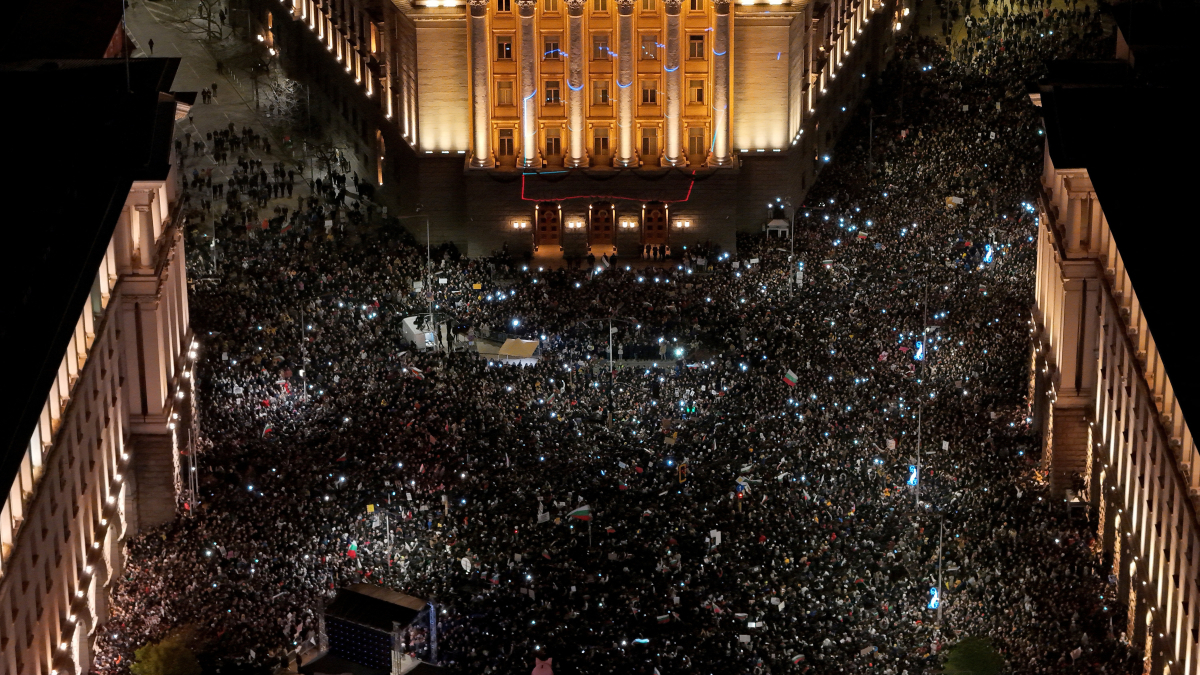
Riot police in the capital, Sofia, were forced to deploy cordons around the headquarters of the ruling parties as thousands of demonstrators took to the streets to reject the controversial 2026 budget—the first in the nation's history to be drafted in euros rather than the traditional lev.
The unrest marked a significant escalation in the Balkan state, with protesters hurling rocks, bottles, and firecrackers at officers in scenes of chaotic defiance.
The violence piles further pressure on the fragile minority government led by Rosen Zhelyazkov, which is currently navigating a precarious political landscape.
In a bid to quell the growing dissent, the administration pledged on 28 November that it would resubmit the spending plan to parliament.
The government hopes this delay will allow for broader consultations with opposition parties, trade unions, and employers, following an initial adoption of the draft by a parliamentary committee on 18 November.
However, the promise of a review has done little to calm the streets. Opposition groups and civil society organisations argue that the government’s fiscal roadmap relies too heavily on hiking social security contributions and taxes on dividends to finance higher state spending.
Demonstrators have also linked the budget dispute to broader grievances regarding persistent state corruption and a lack of transparency.
The budget crisis is unfolding against the backdrop of Bulgaria's scheduled adoption of the common currency on 1 January 2026.
While the European Union views the expansion of the Eurozone as a strategic success, the move remains highly polarising within Bulgaria, the EU’s poorest member state.
Public sentiment is fraught with anxiety; approximately half of the Bulgarian population opposes abandoning the lev. Sceptics fear the move will erode national sovereignty and leave consumers vulnerable to price gouging, with widespread concern that retailers will exploit the conversion process to round up prices.
These economic fears were validated earlier this month by high-level warnings from Frankfurt. European Central Bank President Christine Lagarde cautioned that the country could face a jump in inflation during the transition period, a statement that has provided further ammunition to Euro-sceptic groups fueling the current unrest.















What is your opinion on this topic?
Leave the first comment