live Ceasefire strains as Israel intensifies attacks on Hezbollah in Lebanon killing hundreds - Thursday 9 April
Iran suggested it would be "unreasonable" to proceed with talks to forge a permanent peace d...
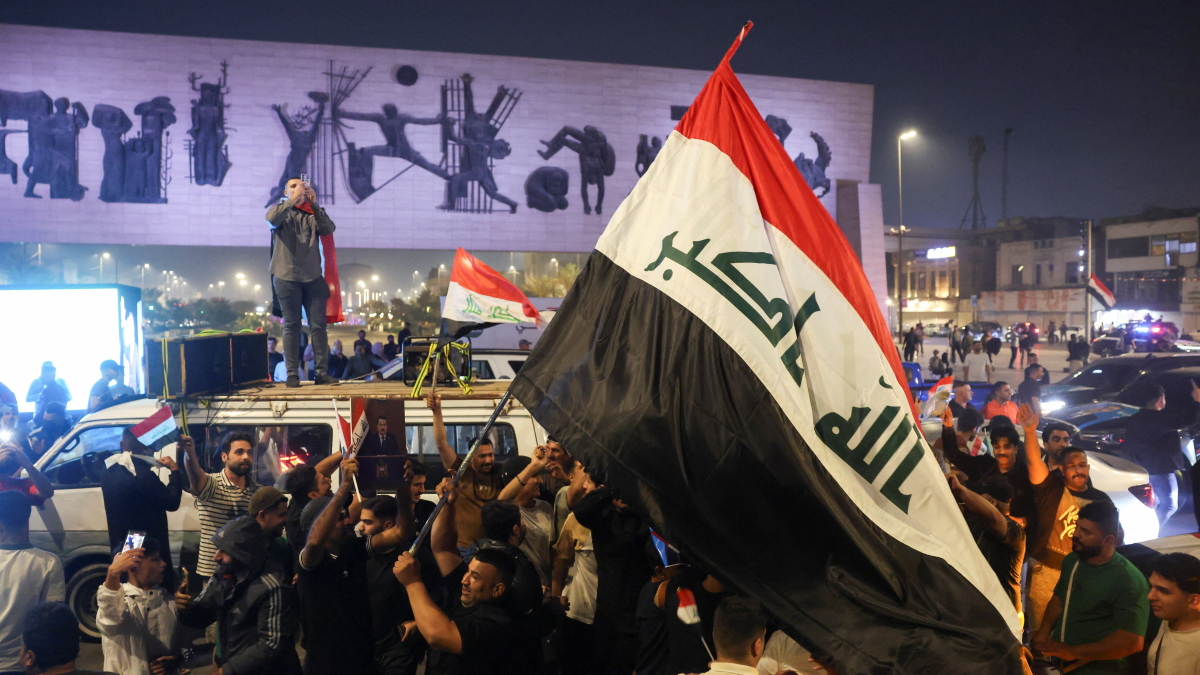
The Reconstruction and Development Coalition, led by Iraqi Prime Minister Mohammed Shia al-Sudani, has emerged as the frontrunner in the country’s parliamentary elections, according to the country’s electoral commission.
Preliminary results from Iraq’s parliamentary elections released on Wednesday show that Prime Minister Mohammed Shia al-Sudani’s coalition has secured 411,026 votes, putting them in the lead. The Progress Party, led by former Parliament Speaker Mohammed al-Halbousi, and the State of Law Coalition, headed by former Prime Minister Nouri al-Maliki, followed in the vote count. While al-Sudani’s coalition is ahead, the competition remains close as additional results continue to come in.
Voter turnout for the election was reported to be 56.11% nationwide, signaling a relatively high level of engagement in a country that has been grappling with political and economic instability. However, the election process has been marked by skepticism, particularly among younger voters. Many view the elections as a mechanism for established political factions to continue controlling Iraq’s oil wealth, fostering a sense of disillusionment.
Al-Sudani, who is seeking a second term in office, has faced significant criticism from younger generations who feel alienated by the political system. Despite this, he has presented himself as the leader capable of bringing Iraq the stability and reform it needs after years of turmoil. Al-Sudani has emphasized his efforts to distance himself from the very factions that helped bring him to power, asserting that his leadership is focused on steering Iraq towards a prosperous future.
The election results are being closely followed both domestically and internationally, as Iraq continues to face mounting challenges. While al-Sudani’s coalition currently holds the lead, the final outcome will depend on how seats are distributed among various parties and coalitions in the coming days. As Iraq’s political future hangs in the balance, the formation of a new government remains a complex and protracted process, with alliances being crucial to forming a stable administration.
Sudani’s coalition victory, despite a tight race, signals that his call for reform and rebuilding trust in Iraq’s political system is resonating with a significant portion of the electorate, even as the country’s future remains uncertain.

China and Russia vetoed a United Nations Security Council resolution on Tuesday aimed at coordinating defensive efforts to protect commercial shipping in the Strait of Hormuz, leaving no agreed international framework for securing the vital route.
Lebanon’s Hezbollah said it had stopped firing on northern Israel and Israeli forces on Wednesday as part of a two-week ceasefire in the Middle East brokered between the United States and Iran. However, a Hezbollah lawmaker warned that the pause could collapse if Tel Aviv does not adhere to it.
Pakistan’s Prime Minister Shehbaz Sharif said Iran and the United States, along with their allies, have agreed to an immediate two-week ceasefire covering all areas, but Israel says the deal excludes Lebanon. Tel Aviv says the U.S. is committed to achieving shared goals in upcoming negotiations.
Construction has begun on a major new solar power project in Xizang, as China continues to expand its renewable energy capacity and push towards a greener future.
Iran suggested it would be "unreasonable" to proceed with talks to forge a permanent peace deal with the U.S. after Israel pounded Lebanon with its heaviest strikes yet on Wednesday, killing hundreds of people. The warning came from Iran's lead negotiator, parliament speaker Mohammed Bager Qalibaf.
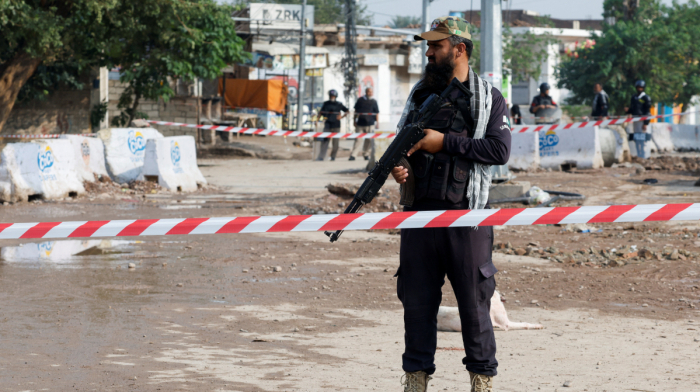
Afghanistan and Pakistan have agreed to continue dialogue and avoid steps that could worsen tensions after China-hosted talks in Urumqi, with Kabul and Beijing saying the meetings focused on easing differences and improving relations.
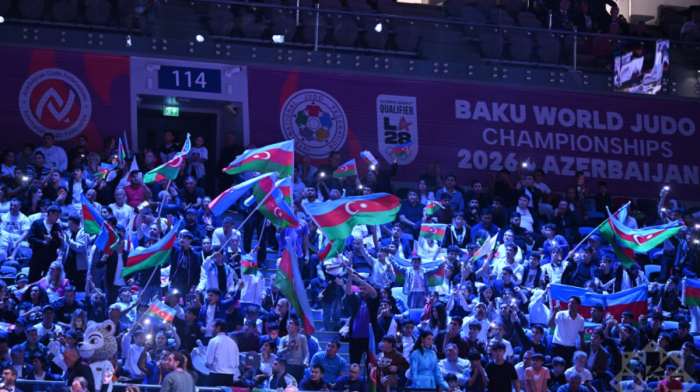
Lithuania’s Prime Minister’s visit to Azerbaijan on 9 April signals a deepening strategic dialogue between Baku and European partners. Analysts say economic interests and geopolitical shifts are driving closer engagement.
Italian Prime Minister Giorgia Meloni said on Thursday (9 April) that restoring freedom of navigation in the Strait of Hormuz is a vital interest for both Italy and the European Union, pledging coordination with international partners to ensure safe passage.
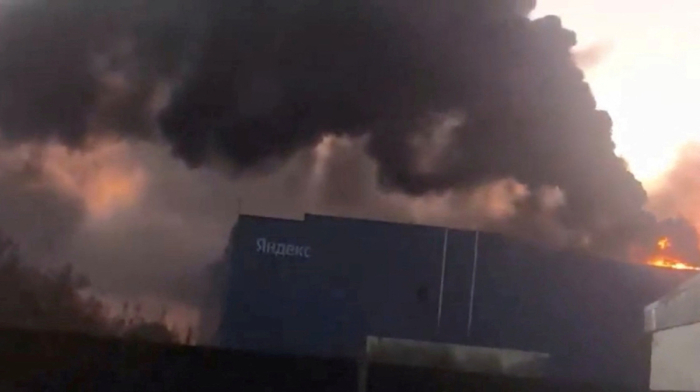
Kazakhstan says oil exports via the Caspian Pipeline Consortium (CPC) remain stable after drone strikes on facilities near Novorossiysk, despite damage to key infrastructure and rising risks to a major export route.
Israel launched its heaviest strikes on Lebanon since hostilities escalated last month, killing over 100 people, even as Hezbollah halted attacks under a disputed U.S.-Iran ceasefire.
You can download the AnewZ application from Play Store and the App Store.
What is your opinion on this topic?
Leave the first comment