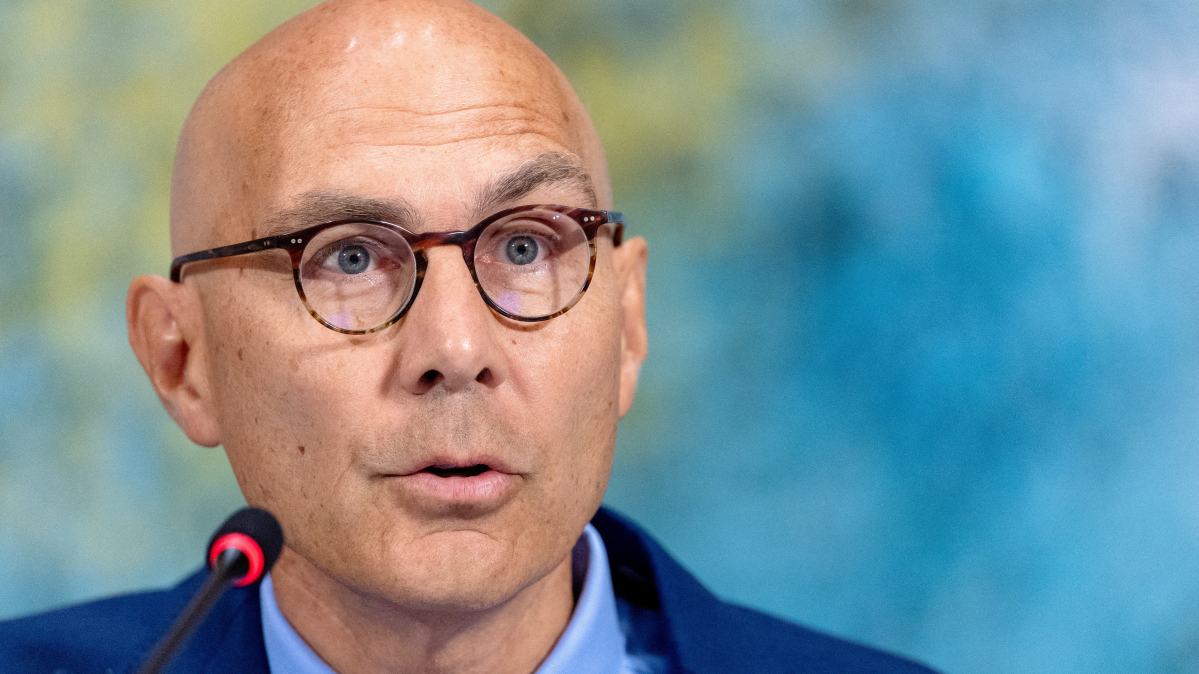
United Nations High Commissioner for Human Rights Volker Türk on Monday welcomed the newly announced peace agreement between the U.S. and Iran, urging all parties to exercise restraint and work towards a lasting settlement.
The deal, announced by U.S. and Iranian officials, establishes an immediate ceasefire, provides for the reopening of the Strait of Hormuz and creates a framework for further negotiations. While key issues, including the future of Iran's nuclear programme, remain unresolved, the agreement marks the most significant diplomatic breakthrough since the conflict began earlier this year.
"I welcome the announcement that the United States and Iran have agreed on a peace deal that provides for an immediate and permanent ceasefire, the reopening of the Strait of Hormuz, and a framework for further negotiations," Türk said.
"At this fragile moment it is clear all sides need to exercise maximum restraint and work to implement the agreement reached quickly and in good faith."
Call for stability
The conflict, which began following joint U.S.-Israeli strikes on Iran in February, has killed thousands of people and disrupted global energy markets. News of the agreement helped ease concerns over oil supplies, contributing to a decline in crude prices.
Türk said the ceasefire offered an opportunity to reduce tensions and prevent further suffering, but stressed that lasting peace would depend on continued diplomacy and adherence to the agreement.
Concern over Lebanon
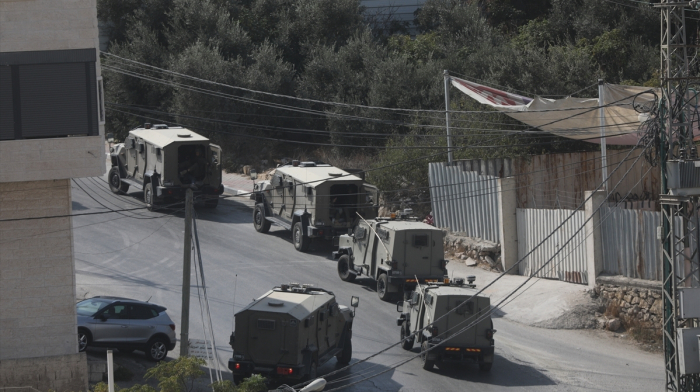
The UN rights chief also voiced concern about the situation in Lebanon, citing Israeli strikes on populated areas and infrastructure, as well as cross-border attacks by the Iran-backed Hezbollah movement.
He called for an immediate end to hostilities, Israel's withdrawal from Lebanese territory and independent investigations into alleged violations of international law by all parties involved.
Human rights message to G7 leaders
Speaking at the UN Human Rights Council in Geneva, while leaders of the Group of Seven nations gathered nearby in Évian-les-Bains, France, Türk urged governments to place human rights at the centre of their discussions.
"I encourage G7 leaders meeting across the lake to put human rights at the core of their discussions, as a force for stability and progress," he said.
Türk also warned about the growing use of drones and autonomous technologies in conflicts around the world, from Gaza and Lebanon to Sudan, Myanmar and the Democratic Republic of the Congo.
He described the rapid expansion of drone warfare as creating a "new circle of hell" for civilians and called for stronger safeguards governing the use of emerging military technologies.
"Autonomous weapons cannot become a license for atrocity crimes," Türk said, urging governments to ensure meaningful human control and accountability over their deployment.











What is your opinion on this topic?
Leave the first comment