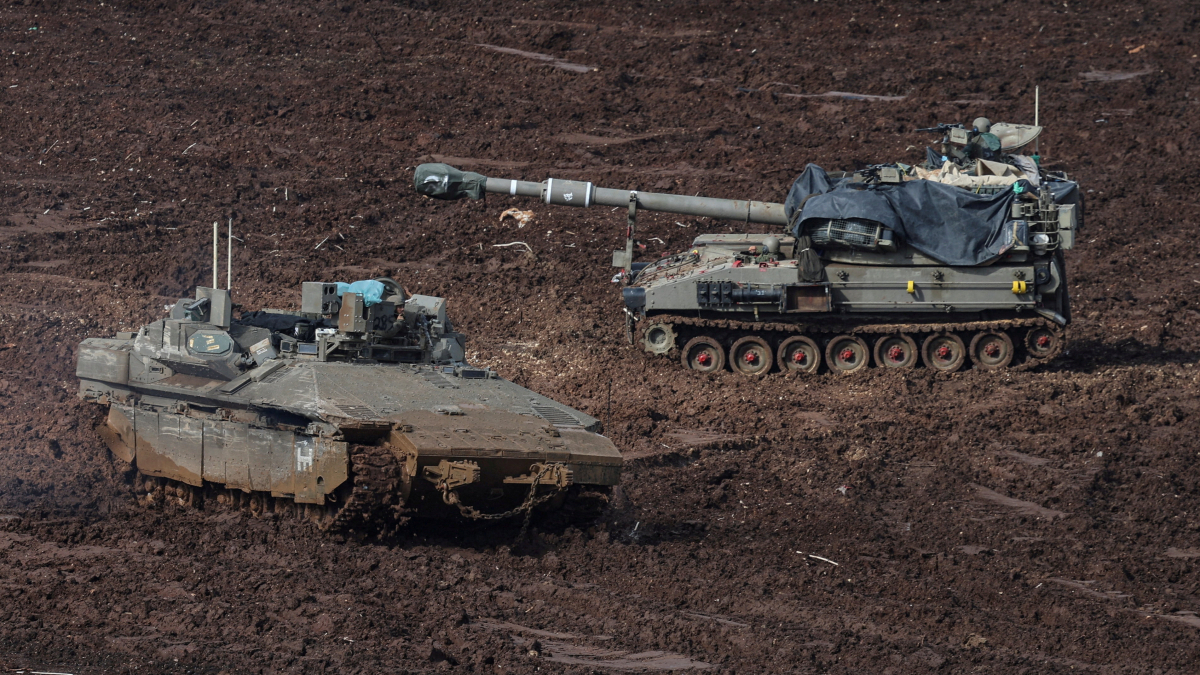
Israel launched strikes on Tehran and Beirut on Saturday (21 March) as the United States deployed thousands of additional Marines to the Middle East, while President Donald Trump criticised NATO allies as "cowards" over their reluctance to help open the Strait of Hormuz.
The Israeli military said it had targeted sites in Iran and carried out strikes in Beirut on Saturday, as it intensified operations against Hezbollah, the Iran-backed militia.
The strikes marked the deadliest spillover into Lebanon since Hezbollah began firing on Israel in support of Tehran on 2 March.
Israel also confirmed new strikes on Iran, including in the capital Tehran, according to a military statement.
Energy shock fears as Hormuz disrupted
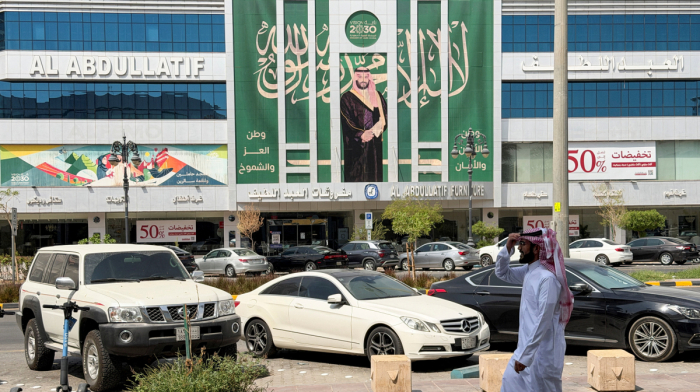
Key energy infrastructure across Iran and neighbouring Gulf states has been hit, with oil prices rising by around 50% since the conflict began, raising concerns about a global economic shock.
In the United States, United Airlines said it would cut scheduled flights by 5% in the second and third quarters, citing expectations of prolonged higher fuel costs.
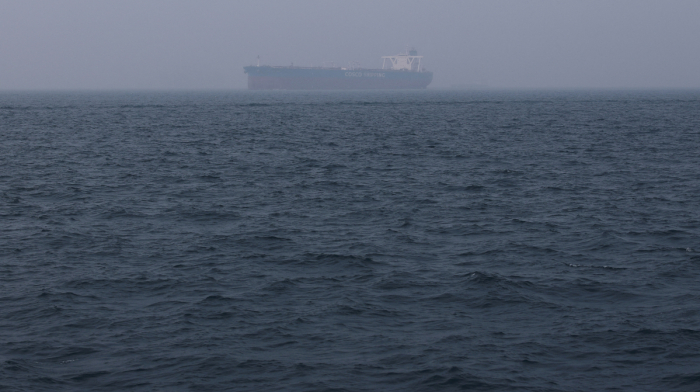
The Strait of Hormuz, a critical route for around one-fifth of global oil and liquefied natural gas supplies, has been effectively closed to most shipping since the United States and Israel launched military operations against Iran.
Trump on Friday accused U.S. allies of "cowardice" for declining to assist in reopening the strait.
Several allies, who were not consulted prior to the conflict, have said they would support "appropriate efforts" to ensure safe passage, although Germany and France have stressed that fighting must first stop.
German Chancellor Friedrich Merz said he would speak with Trump over the weekend.
Iran is prepared to allow Japanese-linked vessels to pass through the Strait of Hormuz, Kyodo News reported on Saturday, citing Iranian Foreign Minister Abbas Araghchi. Japan receives around 90% of its oil imports via the route.
The White House said it would waive sanctions for 30 days, allowing the sale of around 140 million barrels of Iranian oil stranded on tankers, in an effort to stabilise global markets.
The administration had previously eased sanctions on a similar amount of Russian oil.
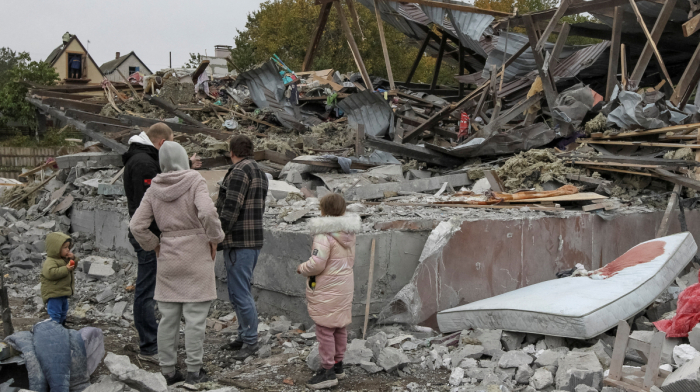
Civilian toll rises as strikes intensify
Before launching Saturday’s strikes, the Israeli military said it had issued evacuation warnings for seven neighbourhoods in Beirut’s southern suburbs.
More than 1,000 people have been killed in Lebanon and over one million have been displaced, according to reports.
On Friday (20 March), Israel's military carried out two large waves of airstrikes on Tehran and central Iran, while Iran launched multiple missile attacks in response, the Israeli military said.
Iran’s Supreme Leader Ali Khamenei, who has not been seen in public since the Israeli attack that killed his father, said Iranians had responded with unity and resistance, adding they had "dealt a disorienting blow to the enemy".
A U.S. intelligence official, speaking on condition of anonymity, said Khamenei's statement raised questions about his condition, noting that his father had traditionally delivered a New Year address.











What is your opinion on this topic?
Leave the first comment