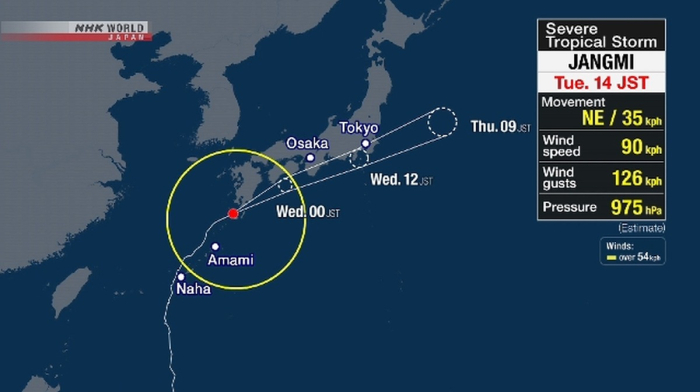
Typhoon Jangmi shuts down Okinawa as transport links close and power cuts spread
Okinawa lost transport links and suffered widespread power outages on Monday (1 June) as Severe Tropical Storm Jangmi brought destructive winds and he...
Iran reacted to the UN Security Council resolution condemning attacks on U.S. bases in regional countries, saying it neglected Tehran’s right to self-defence and demonstrated that the world body is being misused as an instrument to serve Washington’s interests.
“The UNSC resolution on Iran is ultra vires and utterly unlawful; nothing can override a nation’s inherent right to self-defence,” the state IRNA news agency quoted Foreign Ministry spokesman Esmaeil Baghaei as saying on Thursday.
The move, he added, “signals a profound deterioration of the UNSC system as a result of the United States’ instrumentalisation of the Council for its unlawful interests and malign whims.”
“The Council should have unequivocally and firmly condemned the American–Israeli aggression against Iran. Instead, it condemned Iran!” the spokesman said.
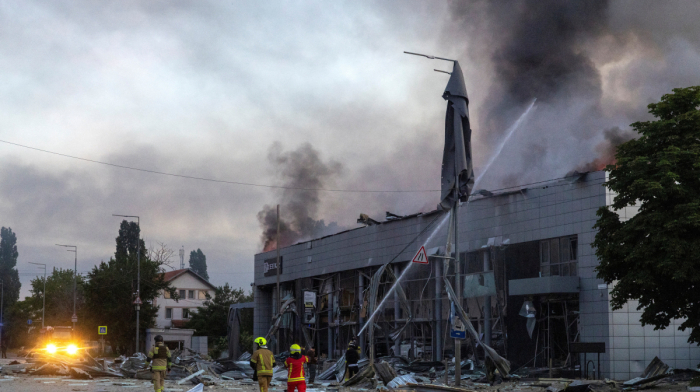
The Israel–U.S. war on Iran is nearly two weeks old, and the warring parties have intensified exchanges of tit-for-tat attacks as well as rhetorical threats.
Iranian officials have issued stern warnings following U.S. President Donald Trump’s statement about possible strikes on the Islamic Republic’s energy infrastructure.
The spokesman for Khatam al-Anbiya Central Headquarters, Ebrahim Zolfaqari, warned that any attack on Iran’s oil and gas facilities or ports would trigger a severe retaliatory response targeting energy infrastructure across the region.
In a statement read on state television, he said: “If such an aggression occurs, all oil and gas infrastructure in the region affiliated with the U.S. and its Western allies will be set ablaze.”
Ali Larijani, Secretary of Iran’s Supreme National Security Council, also warned that the entire region could face a blackout within 30 minutes if Iran’s power grid were attacked.
Responding to Trump’s threat to destroy Iran’s power grid within an hour, Larijani wrote in an Arabic post on X: “The entire region would be blacked out within half an hour.”
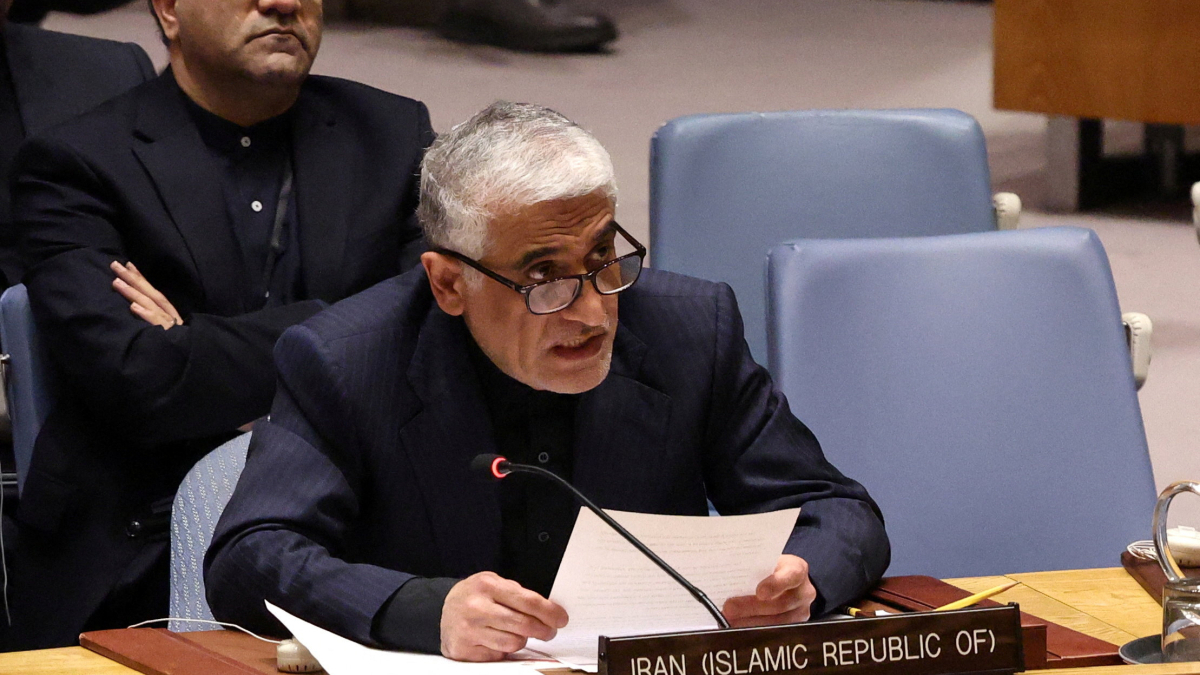
In New York, Iran’s UN mission strongly rejected the UNSC resolution on Wednesday, saying: “We consider it unjust and unlawful, inconsistent with the United Nations Charter and international law.”
“Make no mistake: today it is Iran; tomorrow it could be any other sovereign state,” Ambassador Amir-Saeid Iravani said in a statement, as the U.S.–Israel war against Iran approaches its third week.
U.S. rapper Kanye West, now known as Ye, performed to a crowd of 118,000 people in Istanbul on Saturday night, marking his first concert in Europe in more than a decade, despite being barred from performing in several countries over past antisemitic remarks.
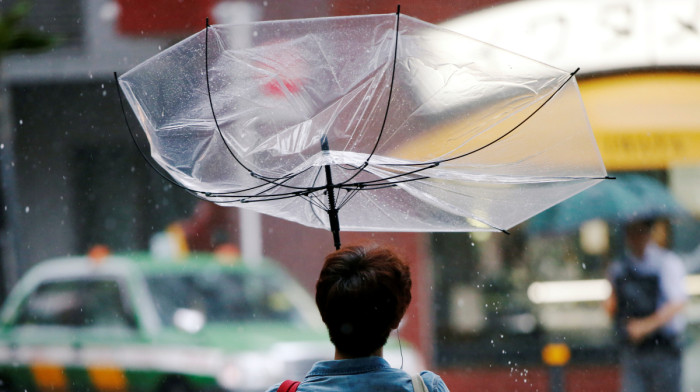
Okinawa lost transport links and suffered widespread power outages on Monday (1 June) as Severe Tropical Storm Jangmi brought destructive winds and heavy rain to Japan's south-western islands.
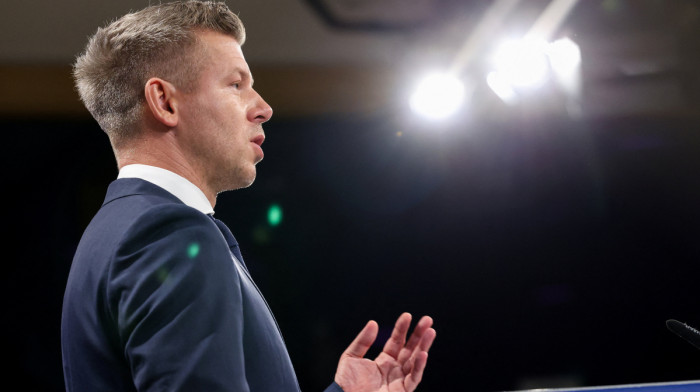
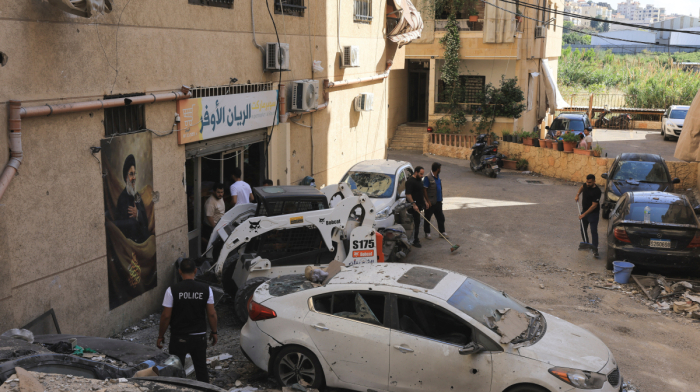
U.S. Secretary of State Marco Rubio has held talks with Lebanese President and Israeli Prime Minister on efforts to ease tensions between Israel and Lebanon. According to a U.S. official, Washington has proposed a plan aimed at achieving a gradual de-escalation of hostilities.
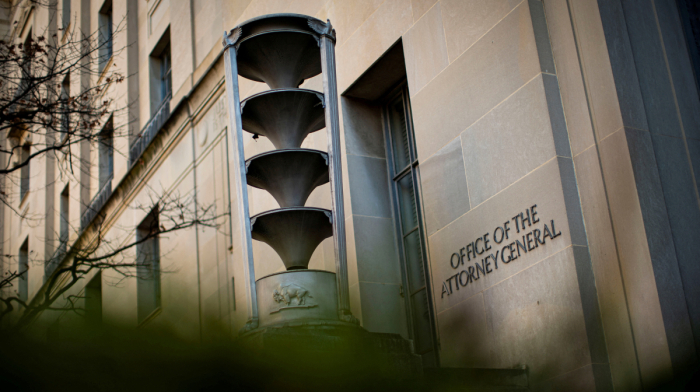
Unsealed records from the U.S. Department of Justice have renewed scrutiny of lawyer Robert Amsterdam after documents revealed communications between his law firm and Jeffrey Epstein's office. The disclosures have drawn attention because of Amsterdam's prominent role in Armenia.
The United States has moved to close a regulatory gap that may have allowed advanced AI chips to reach Chinese-linked firms overseas despite export restrictions.
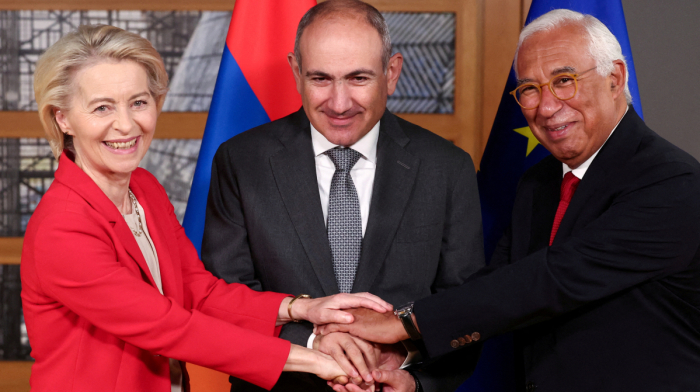
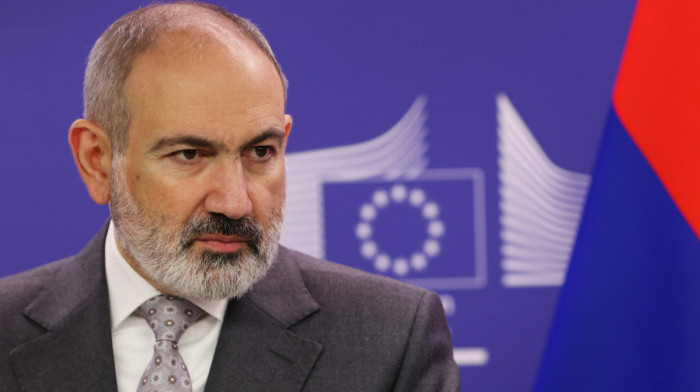
When Armenians vote on 7 June, they will be voting in an election shaped by months of political change and a rapidly deepening relationship with the European Union. The result may not only determine who governs Armenia but also the future direction of the country's geopolitical alignment.
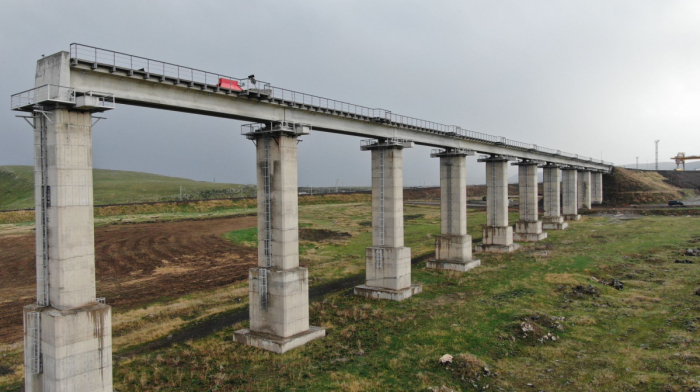
The Baku-Tbilisi-Kars (BTK) railway is resuming operations on 2 June after extensive modernisation works. Officials from Azerbaijan, Georgia and Türkiye are set to gather in Akhalkalaki for a launch event marking the reopening of one of the Middle Corridor's most important transport links.
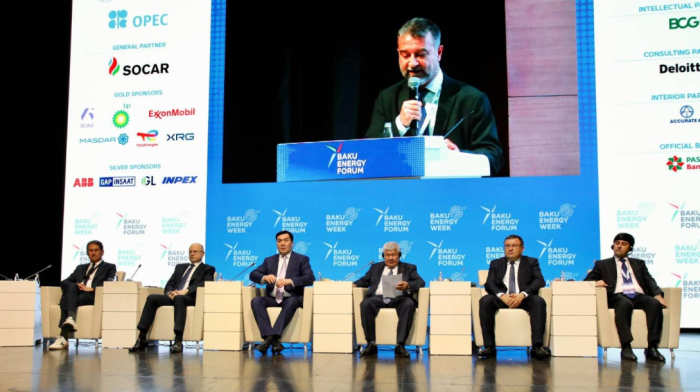
Kazakhstan is open to expanding its oil export routes through Azerbaijan and advancing joint energy infrastructure projects across the Caspian region, Energy Minister Yerlan Akkenzhenov told AnewZ in an exclusive interview in Baku.
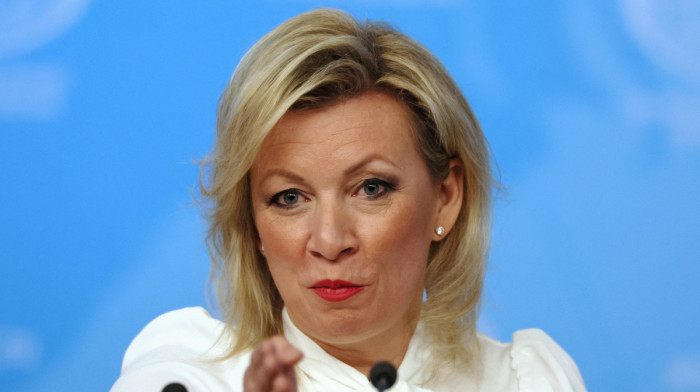
Russia's Foreign Ministry spokeswoman Maria Zakharova praised Georgia for resisting Western pressure (30 May), defending its national interests and pursuing a "multi-vector foreign policy" - language that closely mirrors the rhetoric of the ruling Georgian Dream party.
As Armenia approaches parliamentary elections, Russia appears to be increasing political and economic pressure on Yerevan, signalling that closer integration with the EU could lead to significant changes in labour, transport and energy arrangements between the two countries.
You can download the AnewZ application from Play Store and the App Store.
What is your opinion on this topic?
Leave the first comment