Kazakhstan restores Tengiz oil output and eyes higher BTC exports
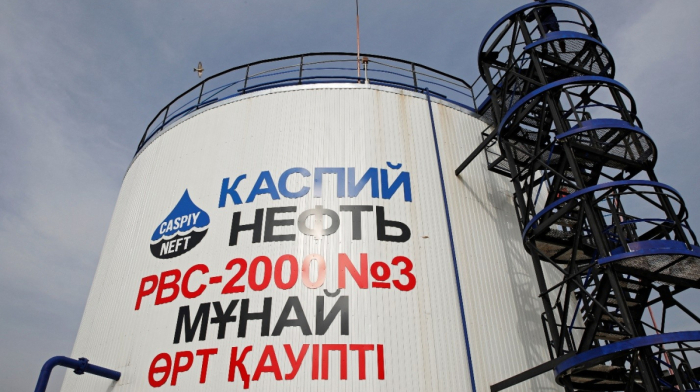
Kazakhstan has restored oil production after an accident at the Tengiz oil field briefly disrupted output last week, while also signalling its readine...
The U.S. military's Central Command said on Tuesday that Iran has launched over 500 ballistic missiles and over 2,000 drones in its retaliatory attacks throughout the Middle East so far.
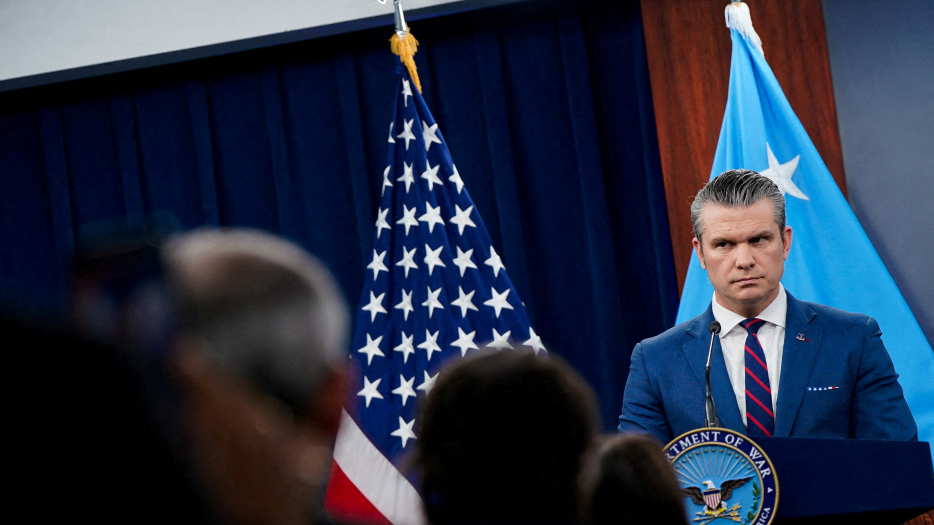
The risks to U.S. forces in the Middle East came up during a closed-door briefing to lawmakers on Tuesday by Defense Secretary Pete Hegseth, General Dan Caine, chairman of the Joint Chiefs of Staff, CIA Director John Ratcliffe and Secretary of State Marco Rubio.
"They told us in that room that there are going to be more Americans that are gonna die - that they are not ... going to be able to stop these drones," Senator Chris Murphy, a Democrat, said.
The facility in Kuwait where four deaths occurred was protected by concrete blast walls but did not have a fortified roof, two officials told Reuters.
It was unclear if there were air defences in place but no alarm apparently sounded as the drone approached, one of the officials added, speaking on condition of anonymity.
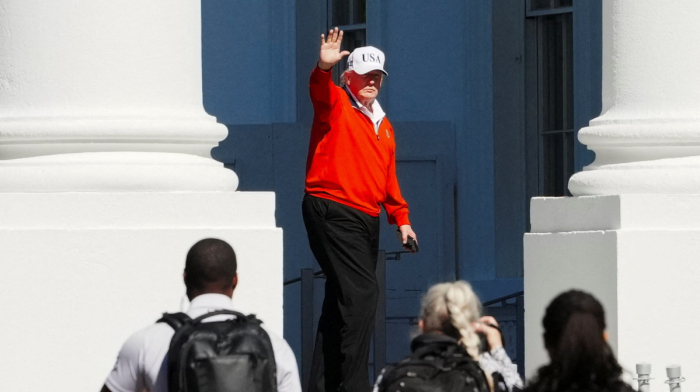
President Donald Trump and other senior officials have warned the Iran conflict will result in more U.S. military deaths as Tehran retaliates against U.S. and Israeli strikes.
The U.S. military on Tuesday identified four of the first American soldiers killed in the war against Iran as the Trump administration warned the intensifying conflict would lead to more American casualties.
Among six U.S. military deaths so far, the four soldiers were members of an Iowa unit of the U.S. Army Reserve. They died on Sunday when a drone slammed into a U.S. military facility in Port Shuaiba, Kuwait, the U.S. military said on Tuesday.
The Pentagon said four ranged in age from 20 to 42 and served in the 103rd Sustainment Command from Des Moines, Iowa, part of the Army's global logistics and supply operation.
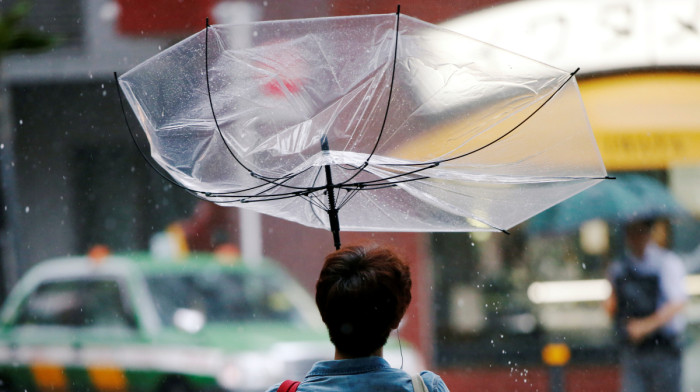
Okinawa lost transport links and suffered widespread power outages on Monday (1 June) as Severe Tropical Storm Jangmi brought destructive winds and heavy rain to Japan's south-western islands.
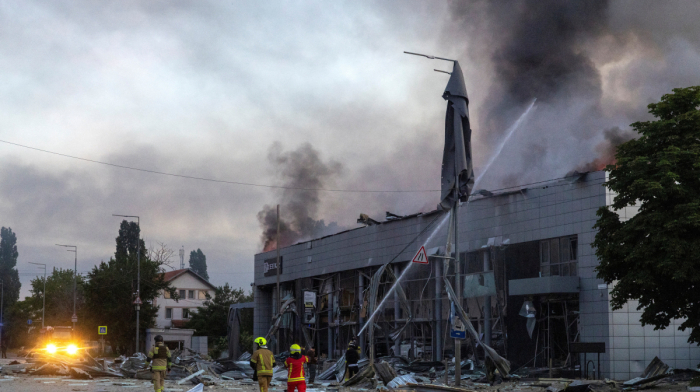
Competing narratives continue to shape perceptions of the war in Ukraine, with Russian leadership suggesting a possible end phase while Ukrainian officials warn of renewed large-scale attacks and ongoing escalation risks.
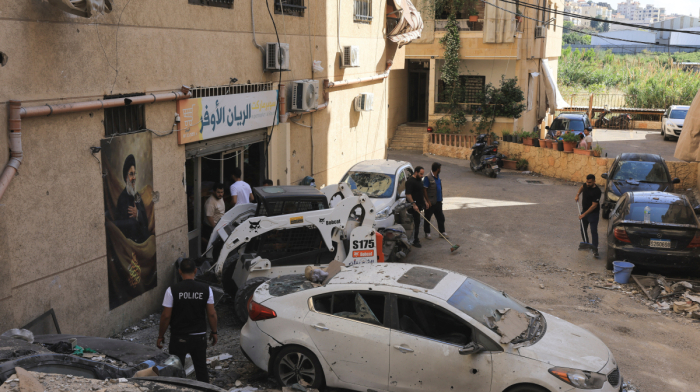
U.S. Secretary of State Marco Rubio has held talks with Lebanese President and Israeli Prime Minister on efforts to ease tensions between Israel and Lebanon. According to a U.S. official, Washington has proposed a plan aimed at achieving a gradual de-escalation of hostilities.
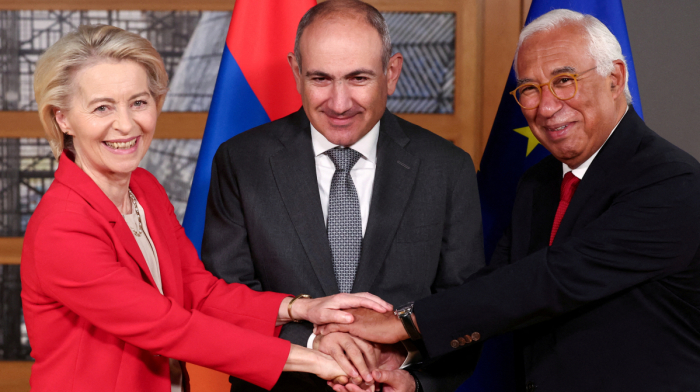
When Armenians vote on 7 June, they will be voting in an election shaped by months of political change and a rapidly deepening relationship with the European Union. The result may not only determine who governs Armenia but also the future direction of the country's geopolitical alignment.
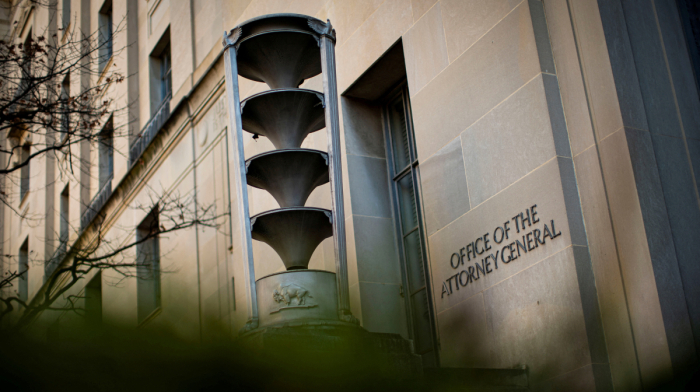
Unsealed records from the U.S. Department of Justice have renewed scrutiny of lawyer Robert Amsterdam after documents revealed communications between his law firm and Jeffrey Epstein's office. The disclosures have drawn attention because of Amsterdam's prominent role in Armenia.
Kazakhstan has restored oil production after an accident at the Tengiz oil field briefly disrupted output last week, while also signalling its readiness to increase crude shipments through the Baku–Tbilisi–Ceyhan (BTC) pipeline.
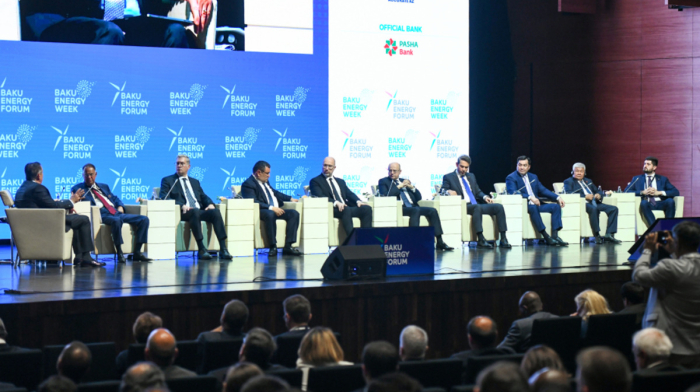
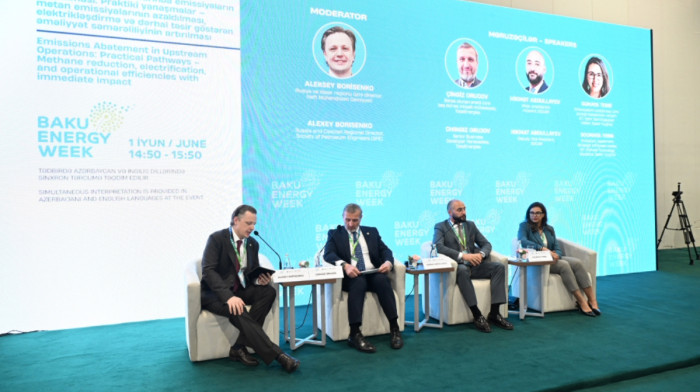
Baku has once again become a focal point for international energy diplomacy, investment and strategic cooperation, as Baku Energy Week brings together policymakers, industry leaders and investors from around the world.
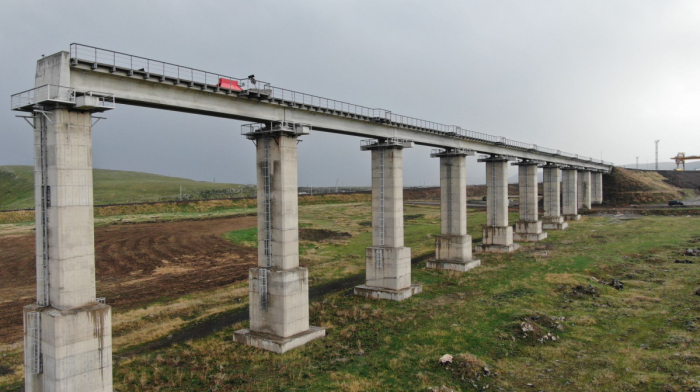
A launch ceremony marking the commissioning of the modernised Baku-Tbilisi-Kars (BTK) railway line was held at Akhalkalaki station in Georgia on 2 June, bringing together senior officials from Azerbaijan, Georgia and Türkiye.
Baku Energy Week has opened in Azerbaijan, bringing together global energy leaders to discuss energy security, green energy and regional cooperation, underscoring the country's growing strategic role in Eurasian connectivity.
When Armenians vote on 7 June, they will be voting in an election shaped by months of political change and a rapidly deepening relationship with the European Union. The result may not only determine who governs Armenia but also the future direction of the country's geopolitical alignment.
You can download the AnewZ application from Play Store and the App Store.
What is your opinion on this topic?
Leave the first comment