Kazakhstan restores Tengiz oil output and eyes higher BTC exports
Kazakhstan has restored oil production after an accident at the Tengiz oil field briefly disrupted output last week, while also signalling its readine...
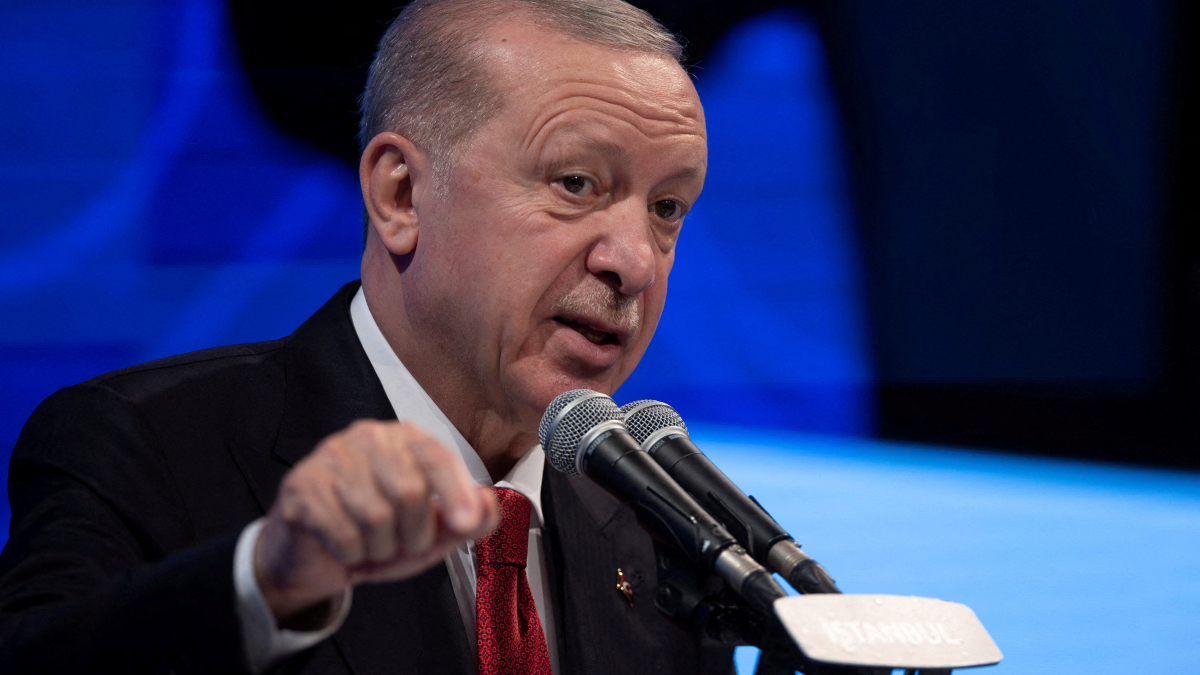
Türkiye’s President, Recep Tayyip Erdoğan, has described the ongoing U.S.–Israeli military campaign against Iran as a “clear violation of international law”, in his strongest remarks yet on the escalating regional crisis.
Speaking on Monday, Erdoğan said Ankara had intensified diplomatic efforts “at all levels” to secure a swift ceasefire and restore stability to the region.
His comments came as Ömer Çelik, spokesman for Türkiye’s ruling AK Party, sharply criticised the joint operation, calling it an “unjust and unlawful attack” on Iran.
The ongoing U.S. and Israeli strikes began early on Saturday (28 February) and “lack legitimacy under international law,” Çelik said.
Çelik also condemned the U.S. decision to launch the military campaign while negotiations with Iran were still under way, warning that the move could have “deeply troubling consequences”.
He argued that U.S. military action, carried out in support of what he described as Israel’s “hard-line foreign policy agenda”, had “destabilised the entire region”.
However, Çelik also urged Tehran to avoid widening the conflict by targeting third countries.
“There must be a clear distinction between the right to self-defence and actions that could trigger a wider regional war,” he said.
Earlier on Monday, Erdoğan held a telephone call with NATO Secretary-General Mark Rutte to discuss the crisis.
According to the Turkish presidency, Erdoğan told the NATO chief that Ankara was monitoring developments closely and stressed the importance of sustained diplomatic engagement to prevent further escalation.
Rutte reaffirmed NATO’s commitment to collective defence, highlighting the alliance’s “360-degree approach” to addressing regional and global security threats.
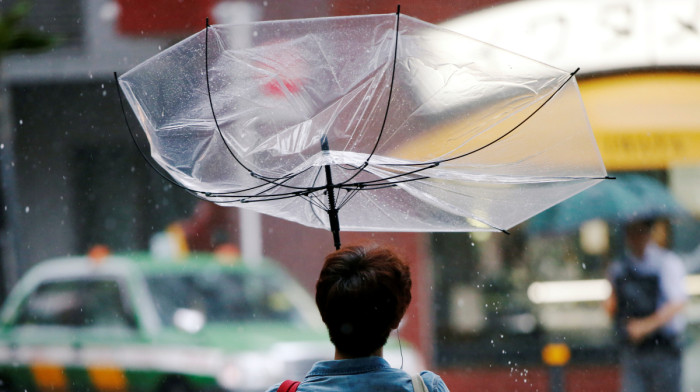
Okinawa lost transport links and suffered widespread power outages on Monday (1 June) as Severe Tropical Storm Jangmi brought destructive winds and heavy rain to Japan's south-western islands.
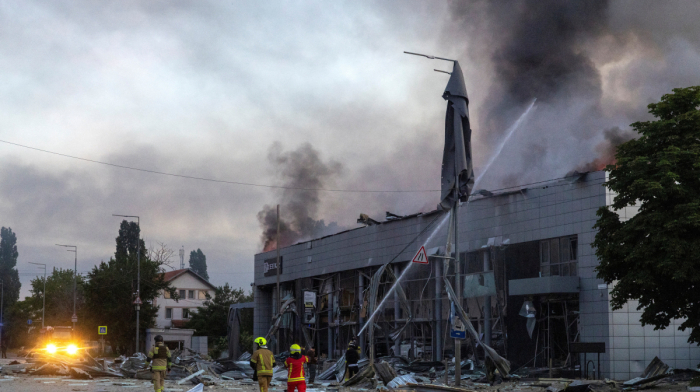
Competing narratives continue to shape perceptions of the war in Ukraine, with Russian leadership suggesting a possible end phase while Ukrainian officials warn of renewed large-scale attacks and ongoing escalation risks.
U.S. Secretary of State Marco Rubio has held talks with Lebanese President and Israeli Prime Minister on efforts to ease tensions between Israel and Lebanon. According to a U.S. official, Washington has proposed a plan aimed at achieving a gradual de-escalation of hostilities.
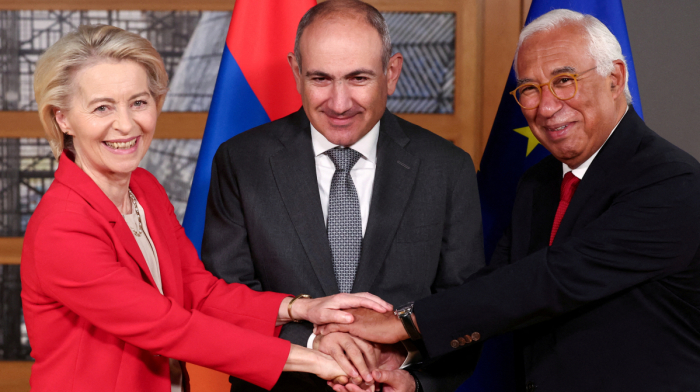
When Armenians vote on 7 June, they will be voting in an election shaped by months of political change and a rapidly deepening relationship with the European Union. The result may not only determine who governs Armenia but also the future direction of the country's geopolitical alignment.
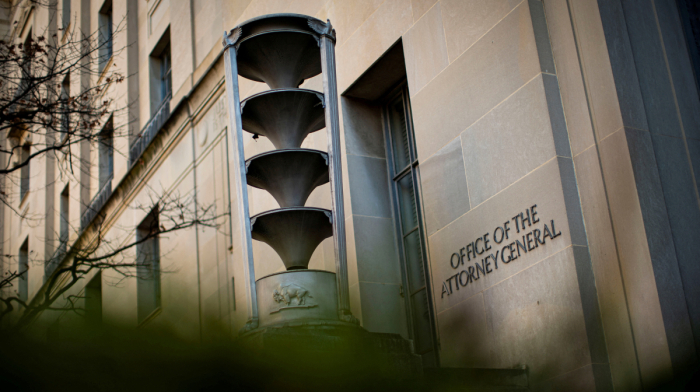
Unsealed records from the U.S. Department of Justice have renewed scrutiny of lawyer Robert Amsterdam after documents revealed communications between his law firm and Jeffrey Epstein's office. The disclosures have drawn attention because of Amsterdam's prominent role in Armenia.
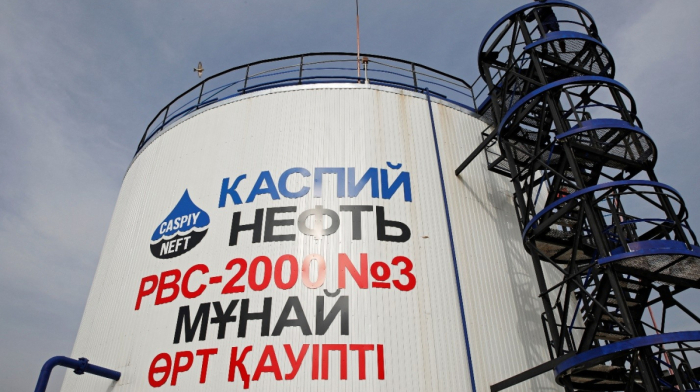
Kazakhstan has restored oil production after an accident at the Tengiz oil field briefly disrupted output last week, while also signalling its readiness to increase crude shipments through the Baku–Tbilisi–Ceyhan (BTC) pipeline.
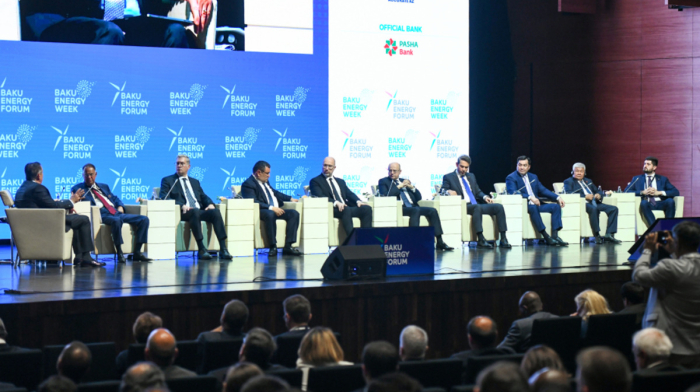
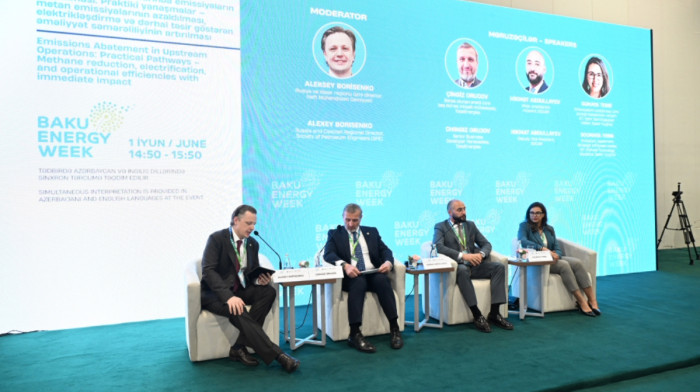
Baku has once again become a focal point for international energy diplomacy, investment and strategic cooperation, as Baku Energy Week brings together policymakers, industry leaders and investors from around the world.
A launch ceremony marking the commissioning of the modernised Baku-Tbilisi-Kars (BTK) railway line was held at Akhalkalaki station in Georgia on 2 June, bringing together senior officials from Azerbaijan, Georgia and Türkiye.
Baku Energy Week has opened in Azerbaijan, bringing together global energy leaders to discuss energy security, green energy and regional cooperation, underscoring the country's growing strategic role in Eurasian connectivity.
When Armenians vote on 7 June, they will be voting in an election shaped by months of political change and a rapidly deepening relationship with the European Union. The result may not only determine who governs Armenia but also the future direction of the country's geopolitical alignment.
You can download the AnewZ application from Play Store and the App Store.
What is your opinion on this topic?
Leave the first comment