Iran targets cargo ship in retaliation to attack on freighter
Iran’s Revolutionary Guards (IRGC) said they struck a cargo ship owned by the “American-Zionist enemy” with a cruise missile after an Iranian fr...
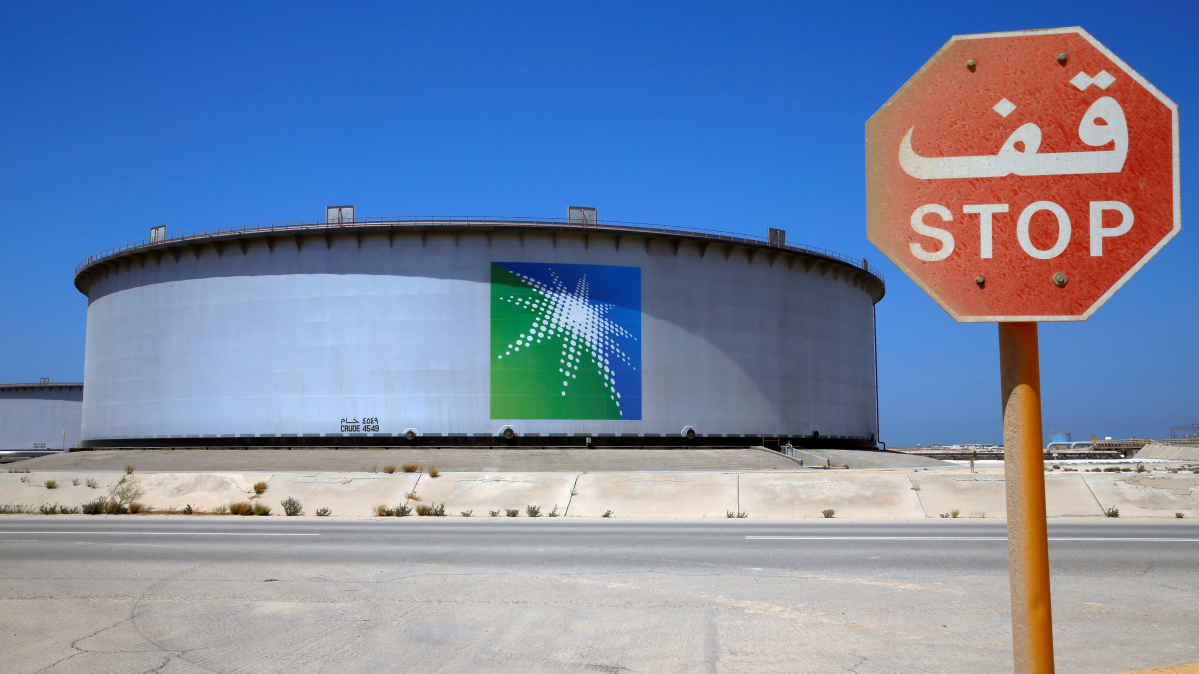
Saudi Arabia’s state oil giant Saudi Aramco closed its Ras Tanura refinery on Monday following an Iranian drone strike, an industry source told Reuters as Tehran retaliated across the Gulf after a U.S.-Israeli attack on Iranian targets over the weekend.
Ras Tanura, on the kingdom’s eastern coast along the Gulf, is one of the largest refining complexes in the Middle East. It can process about 550,000 barrels of crude oil a day and also functions as a key export terminal for Saudi oil.
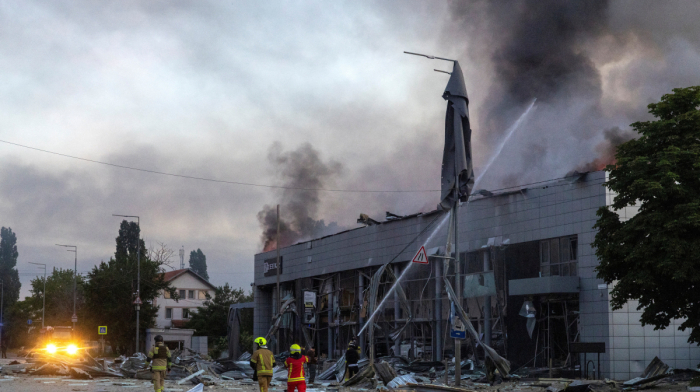
Reports said the strike sparked a fire at the site, with videos circulating online appearing to show smoke rising from the facility. Workers at Aramco installations were evacuated as a precaution amid fears of further attacks.
Oil markets reacted sharply. Brent crude climbed by about 10% on Monday as tensions escalated across the region.
Saudi officials said the situation at Ras Tanura had been brought under control. The defence ministry said two drones were intercepted, with falling debris causing a limited blaze. No injuries were reported.
Some processing units were taken offline as a safety measure, but supplies to domestic fuel markets have not been disrupted, according to the Saudi state news agency, which cited an energy ministry official. Aramco did not immediately respond to requests for comment.
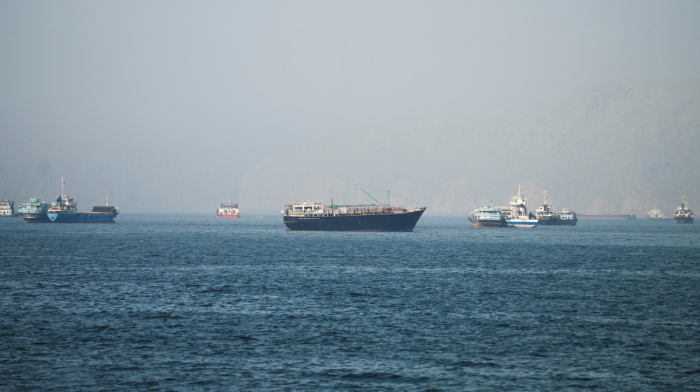
The closure is expected to heighten concerns over global supply, particularly as shipping through the Strait of Hormuz - a route that carries roughly a fifth of the world’s oil consumption - has slowed dramatically following attacks on vessels nearby.
Iranian strikes have reportedly hit targets across the Gulf, including in the United Arab Emirates and Oman, disrupting key shipping hubs. Several countries in the region, among them Bahrain, Qatar and Kuwait, have also been affected.
The escalation follows strikes carried out by the U.S. and Israel on Iran on Saturday, which reportedly killed several senior figures.
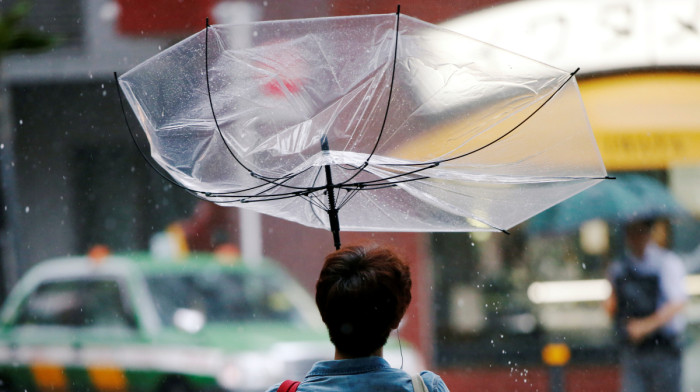
Okinawa lost transport links and suffered widespread power outages on Monday (1 June) as Severe Tropical Storm Jangmi brought destructive winds and heavy rain to Japan's south-western islands.
Competing narratives continue to shape perceptions of the war in Ukraine, with Russian leadership suggesting a possible end phase while Ukrainian officials warn of renewed large-scale attacks and ongoing escalation risks.
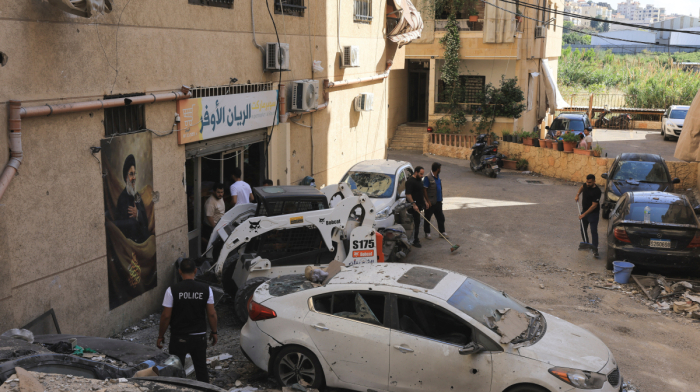
U.S. Secretary of State Marco Rubio has held talks with Lebanese President and Israeli Prime Minister on efforts to ease tensions between Israel and Lebanon. According to a U.S. official, Washington has proposed a plan aimed at achieving a gradual de-escalation of hostilities.
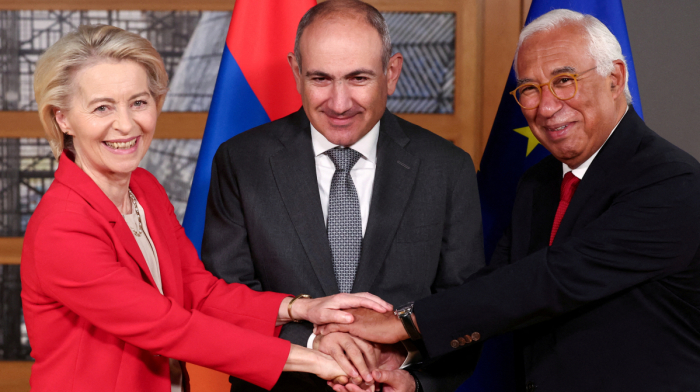
When Armenians vote on 7 June, they will be voting in an election shaped by months of political change and a rapidly deepening relationship with the European Union. The result may not only determine who governs Armenia but also the future direction of the country's geopolitical alignment.
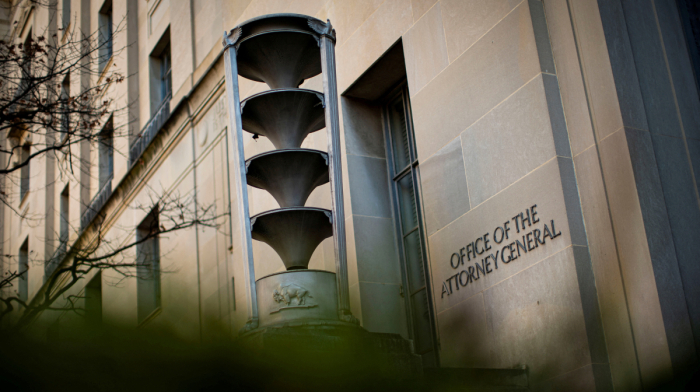
Unsealed records from the U.S. Department of Justice have renewed scrutiny of lawyer Robert Amsterdam after documents revealed communications between his law firm and Jeffrey Epstein's office. The disclosures have drawn attention because of Amsterdam's prominent role in Armenia.
Kazakhstan has restored oil production after an accident at the Tengiz oil field briefly disrupted output last week, while also signalling its readiness to increase crude shipments through the Baku–Tbilisi–Ceyhan (BTC) pipeline.
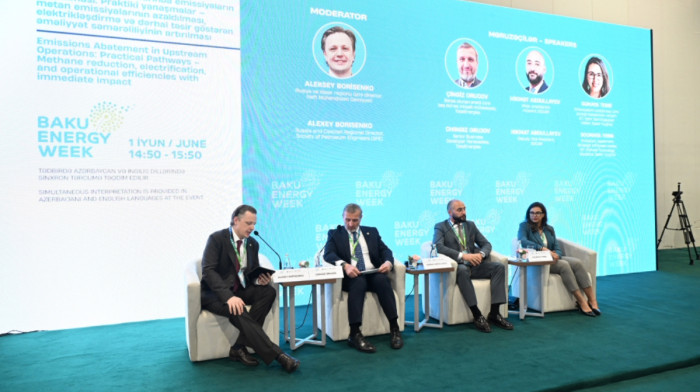
Baku has once again become a focal point for international energy diplomacy, investment and strategic cooperation, as Baku Energy Week brings together policymakers, industry leaders and investors from around the world.
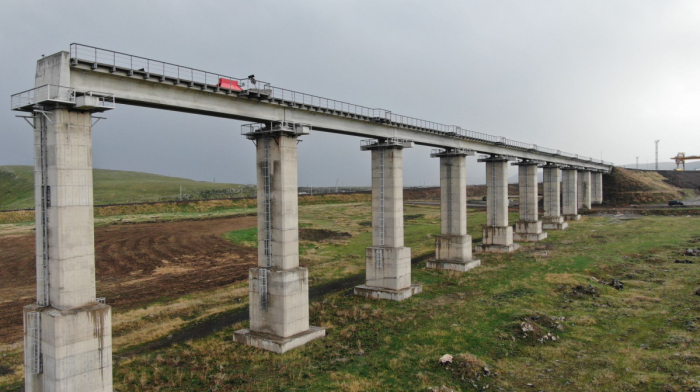
A launch ceremony marking the commissioning of the modernised Baku-Tbilisi-Kars (BTK) railway line was held at Akhalkalaki station in Georgia on 2 June, bringing together senior officials from Azerbaijan, Georgia and Türkiye.
Baku Energy Week has opened in Azerbaijan, bringing together global energy leaders to discuss energy security, green energy and regional cooperation, underscoring the country's growing strategic role in Eurasian connectivity.
When Armenians vote on 7 June, they will be voting in an election shaped by months of political change and a rapidly deepening relationship with the European Union. The result may not only determine who governs Armenia but also the future direction of the country's geopolitical alignment.
You can download the AnewZ application from Play Store and the App Store.
What is your opinion on this topic?
Leave the first comment