Iran’s Supreme National Security Council Secretary Ali Larijani said the United States could evaluate its own interests separately from those of Israel in ongoing negotiations between Tehran and Washington.
In an exclusive interview with Al Jazeera, Larijani addressed the current state of Iran–U.S. talks, noting that the negotiation process is continuing and that regional countries are also working toward a successful outcome.
Referring to a letter he said he delivered to Oman’s Foreign Minister Badr bin Hamad al-Busaidi to be conveyed to Washington, Larijani stated that Iran has not yet received an official response from the United States.
“The U.S. can assess its own interests separately from Israel’s interests in the negotiations,” he said.
The comments come as talks are set to resume in Geneva on the 17 February between Iranian and U.S. delegations.
Nuclear issue and red lines
Larijani said Iran remains open to cooperation in the talks, pointing to former President Donald Trump’s frequently stated objective that Iran should not obtain nuclear weapons.
“That is a common point Iran does not oppose. We were in favour of negotiations before and we are now,” he said.
However, he stressed that the talks should not be prolonged and warned that certain issues are not open for discussion.
“The missile issue concerns Iran’s national security and will not be included in the negotiations. Any topic outside the nuclear issue would derail the process,” Larijani said.
On uranium enrichment, he argued that a country possessing nuclear technology cannot be expected to accept zero enrichment.
“For example, 20% enriched uranium is necessary for medical purposes,” he said.
Position on possible conflict
Addressing the possibility of failed negotiations and a potential U.S. attack, Larijani said he did not believe Washington was seeking a new war, but warned of consequences if force were used.
“We are not seeking war, but we are prepared. If they use force against us, they will receive a response,” he said.
He also accused Israel of attempting to sabotage the negotiations.
“We are negotiating with the U.S., meanwhile, Israel is trying to intervene and sabotage the talks. Today our biggest enemy is Israel,” he said.
Larijani further claimed that Israel is pursuing an adventurist role in the region and attempting to create a pretext for war. He said Iran is ready to cooperate with Saudi Arabia, Egypt and Türkiye to ensure regional stability in response to Israel.
Impact of recent tensions
Commenting on the 12-day confrontation between Iran and Israel, Larijani said Israeli intelligence networks inside Iran were not as strong as portrayed, though he acknowledged that some security lapses had occurred.
“We dealt serious blows to spy networks and increased security measures,” he said.
He added that Israeli attacks had led to greater national unity within Iran, describing it as “an important gain.”
Netanyahu calls for dismantlement
Speaking separately at the annual Conference of Presidents of Major American Jewish Organizations, Prime Minister Benjamin Netanyahu said he had told Trump that any agreement must go beyond limiting enrichment.
“There should be no enrichment capability. Not stopping the enrichment process, but dismantle the equipment and the infrastructure that allows you to enrich in the first place,” Netanyahu said.
He added that any deal must ensure enriched material leaves Iran and expressed scepticism about Tehran’s reliability.
“I expressed my scepticism of any deal with Iran because, frankly, Iran is reliable on one thing. They lie and they cheat,” Netanyahu said.
Nuclear talks between Iran and the United States, which were suspended in June 2025 following Israeli and U.S. attacks on Iran, resumed in Oman on 6 February.
Iran’s Foreign Ministry spokesman Esmail Baghaei previously said that negotiations in Muscat ended with both sides agreeing to continue discussions.
The talks have taken place amid renewed tensions between Tehran and Washington and an increased U.S. military presence in the region.
British police are facing a national backlash over their handling of the fatal stabbing of 18-year-old student Henry Nowak, who was handcuffed while d...
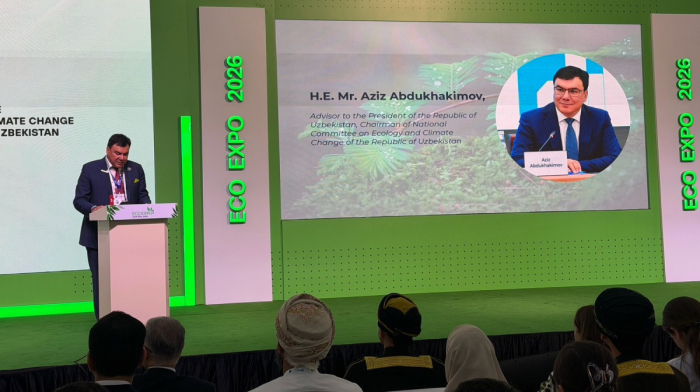
International organisations, investors, environmental experts and business representatives gathered in Samarkand for the opening of Eco Expo Central A...
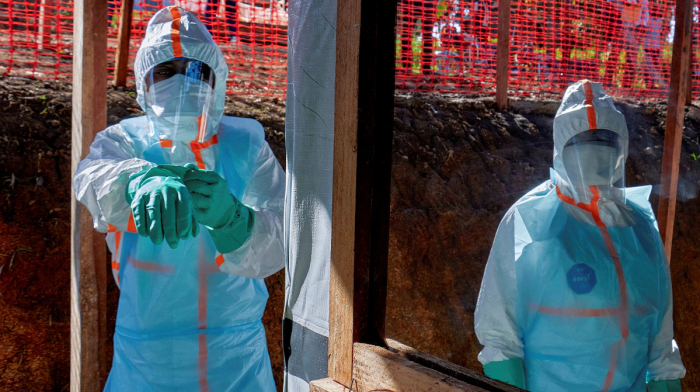
China is sending doctors, medical teams and emergency supplies to help combat a growing Ebola outbreak in Central Africa, joining an international eff...
Armenian Prime Minister Nikol Pashinyan has said Yerevan remains committed to normalising relations with Azerbaijan and Türkiye, expressing confidenc...
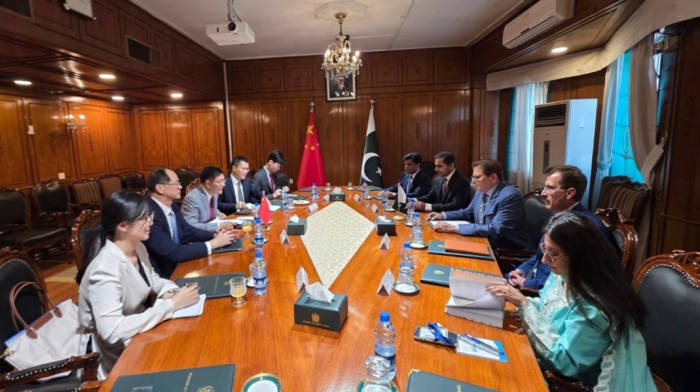
China’s Special Envoy for Afghanistan, Yue Xiaoyong, has met Pakistan’s Special Representative for Afghanistan, Mohammad Sadiq, in Islamabad to discuss the China-facilitated Urumqi Process and regional security concerns.
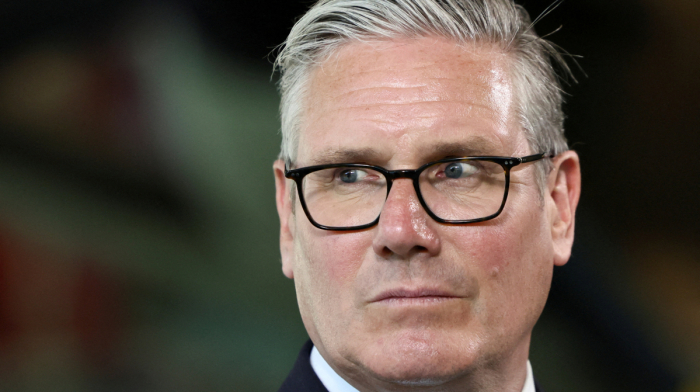
British police are facing a national backlash over their handling of the fatal stabbing of 18-year-old student Henry Nowak, who was handcuffed while dying from stab wounds after his attacker falsely claimed to be the victim of a racist assault.
International organisations, investors, environmental experts and business representatives gathered in Samarkand for the opening of Eco Expo Central Asia 2026, one of the region's largest environmental events focused on green growth, climate resilience and sustainable development.
China is sending doctors, medical teams and emergency supplies to help combat a growing Ebola outbreak in Central Africa, joining an international effort to contain the disease before it spreads further.
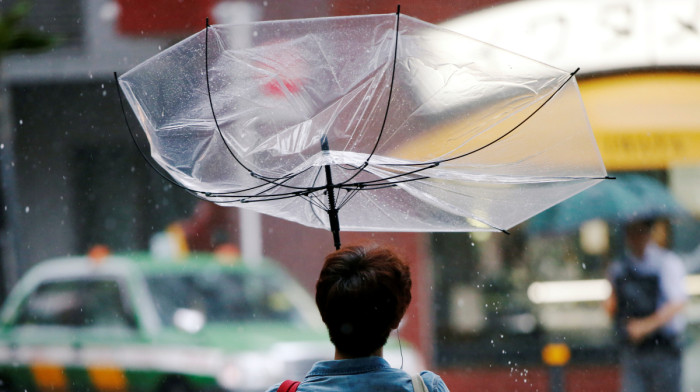
Okinawa lost transport links and suffered widespread power outages on Monday (1 June) as Severe Tropical Storm Jangmi brought destructive winds and heavy rain to Japan's south-western islands.
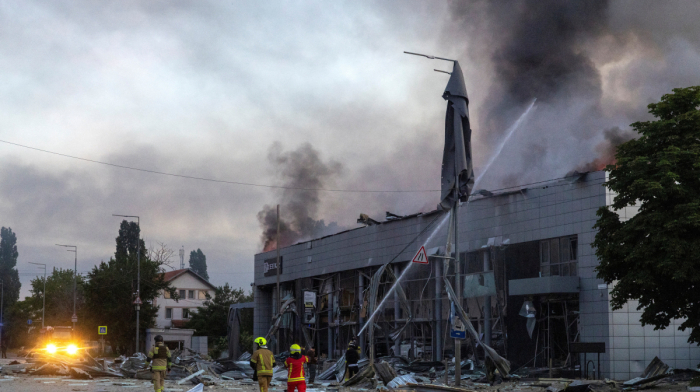
Competing narratives continue to shape perceptions of the war in Ukraine, with Russian leadership suggesting a possible end phase while Ukrainian officials warn of renewed large-scale attacks and ongoing escalation risks.
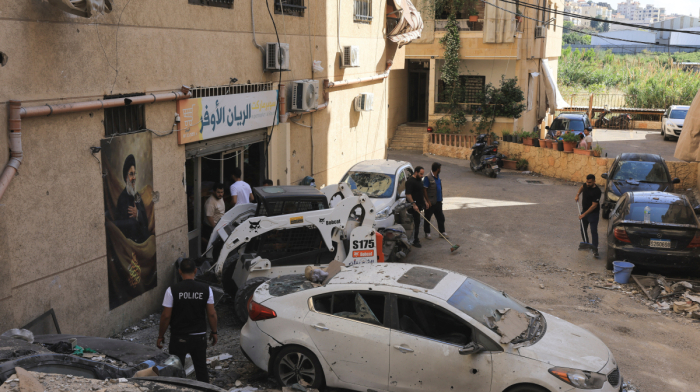
U.S. Secretary of State Marco Rubio has held talks with Lebanese President and Israeli Prime Minister on efforts to ease tensions between Israel and Lebanon. According to a U.S. official, Washington has proposed a plan aimed at achieving a gradual de-escalation of hostilities.
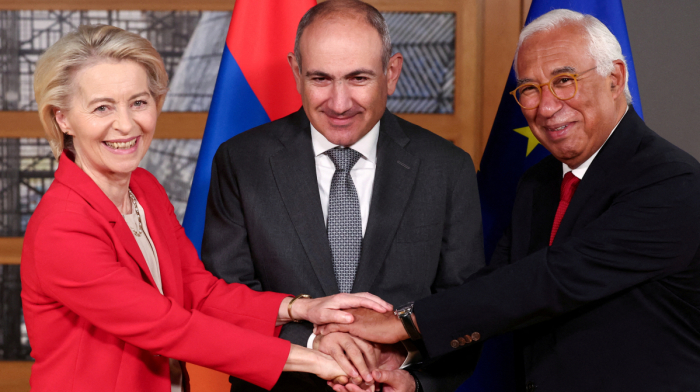
When Armenians vote on 7 June, they will be voting in an election shaped by months of political change and a rapidly deepening relationship with the European Union. The result may not only determine who governs Armenia but also the future direction of the country's geopolitical alignment.
Unsealed records from the U.S. Department of Justice have renewed scrutiny of lawyer Robert Amsterdam after documents revealed communications between his law firm and Jeffrey Epstein's office. The disclosures have drawn attention because of Amsterdam's prominent role in Armenia.
China’s Special Envoy for Afghanistan, Yue Xiaoyong, has met Pakistan’s Special Representative for Afghanistan, Mohammad Sadiq, in Islamabad to discuss the China-facilitated Urumqi Process and regional security concerns.
International organisations, investors, environmental experts and business representatives gathered in Samarkand for the opening of Eco Expo Central Asia 2026, one of the region's largest environmental events focused on green growth, climate resilience and sustainable development.
Armenian Prime Minister Nikol Pashinyan has said Yerevan remains committed to normalising relations with Azerbaijan and Türkiye, expressing confidence that decades of regional hostility will eventually give way to lasting stability.
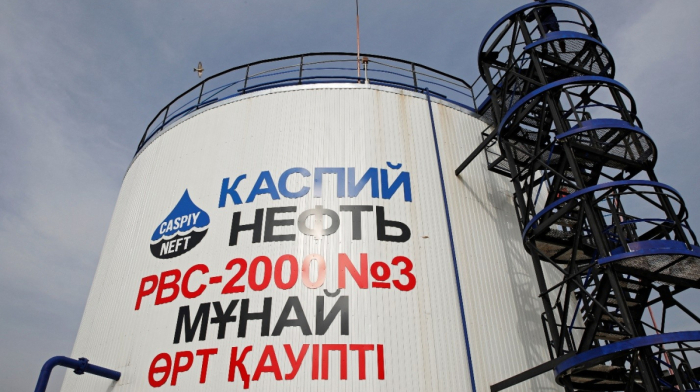
Kazakhstan has restored oil production after an accident at the Tengiz oil field briefly disrupted output last week, while also signalling its readiness to increase crude shipments through the Baku–Tbilisi–Ceyhan (BTC) pipeline.
Baku has once again become a focal point for international energy diplomacy, investment and strategic cooperation, as Baku Energy Week brings together policymakers, industry leaders and investors from around the world.







What is your opinion on this topic?
Leave the first comment