Israeli tank shelling and airstrikes killed 24 Palestinians including seven children in Gaza on Wednesday (4 February), health officials said, the latest violence to undermine the nearly four-month-old ceasefire.
Among the dead was a medic who rushed to help victims of a strike in the southern city of Khan Younis and was then killed by a second attack on the same location, health officials said.
Other strikes hit Gaza City in the north, where health officials said a 5-month-old boy was killed. The attacks come three days after Israel reopened Gaza's main border crossing with Egypt, a big step envisaged by the U.S.-backed truce deal.
"While we were sleeping in our house, the tank shelled us and the shells hit our house, our children were martyred - my son was martyred, my brother's son and daughter were martyred ... We have nothing to do with anything, we are peaceful people," said Abu Mohamed Habouch, speaking at a funeral for his family.
Tents in Mawasi, a coastal area near Khan Younis crowded with Gazans displaced by the conflict, had been ripped apart by the strikes. Nearly all of Gaza's population of more than 2 million were forced to flee their homes during the war.
The Israeli military said it launched the strikes in response to Palestinian militants opening fire on Israeli troops operating near its armistice line with Hamas. It said an Israeli soldier was severely injured by the militant fire, which it described as a violation of the ceasefire agreement.
A subsequent statement said one of the Israeli strikes had targeted a senior Hamas commander.
A commander from Hamas' smaller ally, Islamic Jihad, and his 11-year-old daughter were among those killed in strikes on Wednesday, according to relatives.
The Israeli military later confirmed in a statement that it had killed an Islamic Jihad commander.
Hamas said Israel's actions undermined efforts to stabilise the ceasefire. In a statement, the group called for "immediate international pressure to halt violations."
Rafah reopening
Palestinian patients preparing to cross through the newly opened Rafah crossing to Egypt were told that Israel had postponed the passage of patients through the border. Afterwards, Palestinian health authorities said that the group of patients was on their way to the border.
The Israeli agency that controls access to Gaza, COGAT, said the Rafah crossing remained open but it had not received the necessary details from the World Health Organization to facilitate crossings. The WHO did not immediately respond to a request for comment.
An Egyptian security source told Reuters that Israel had cited security issues in the Rafah area as the reason for the temporary closure, but those had since been resolved and work had resumed at the border.
A spokesperson for the Palestinian Red Crescent Society said 46 people were set to cross to Egypt on Wednesday (4 February), but only 20 were able to travel to Egypt while the other 26 were returned to Gaza.
Reopening the crossing was one of the requirements under the October ceasefire that set out the first phase of U.S. President Donald Trump's plan to stop fighting between Israel and Islamist Hamas militants.
Sixteen patients from Gaza and 40 of their escorts crossed into Egypt on Tuesday, Gazan medics told Reuters. A Hamas police source told Reuters that at least 40 people crossed from Egypt to Gaza late on Tuesday.
Second phase of ceasefire
Israel handed back 54 bodies and 66 boxes of human remains of Palestinians on Wednesday, according to Gaza's health authorities, with the fragile ceasefire set to move towards its second phase.
Key issues like the withdrawal of Israeli forces from the over 50% of Gaza they currently occupy and the disarmament of Hamas remain unresolved, while the fragile ceasefire has been marked by near-daily violence.
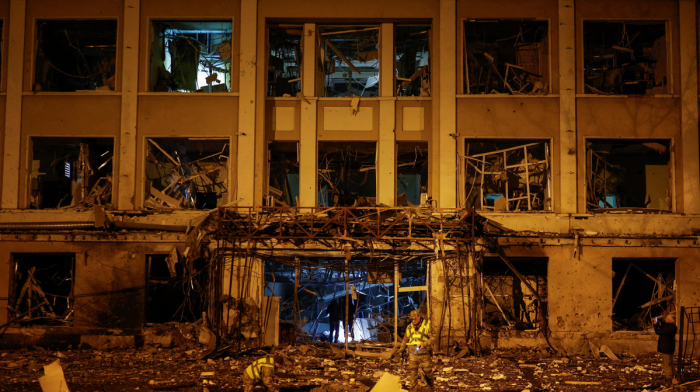
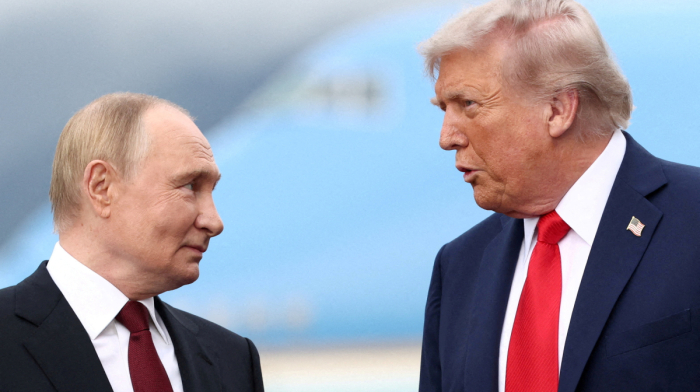
U.S. President Donald Trump has criticised Ukrainian President Volodymyr Zelenskyy for continuing to target Russia's energy infrastructure, while Russian strikes on Kyiv overnight killed at least one person and damaged a metro station.
The day after waiving sanctions and tariffs related to Russian exports, U.S. President Donald Trump said on Saturday he has yet to announce a final decision on the matter as Secretary of State Marco Rubio said officials want more time to evaluate the situation.
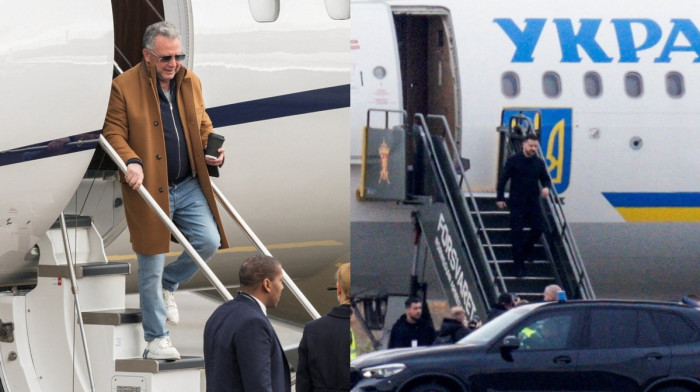
Ukrainian President Volodymyr Zelenskyy has arrived in Norway for talks about the Russia-Ukraine war. He is expected to meet with U.S. President Donald Trump's Special Envoy Steve Witkoff, who arrived in Oslo earlier. Witkoff will also meet European officials.
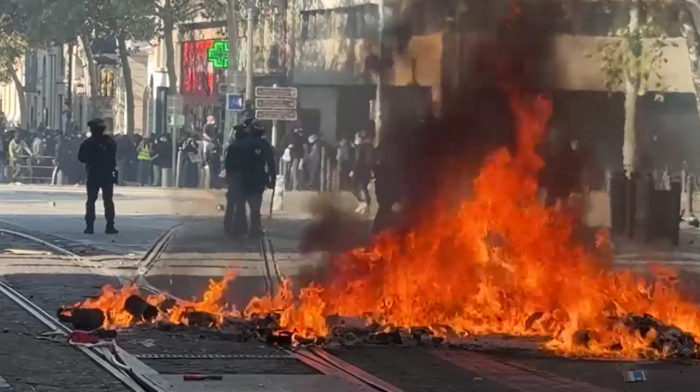
French President Emmanuel Macron has condemned the violence, looting and vandalism that erupted during cost-of-living protests across France. Prime Minister Sébastien Lecornu held crisis talks on Monday, calling for partial curfews and raising the possibility of a state of emergency.
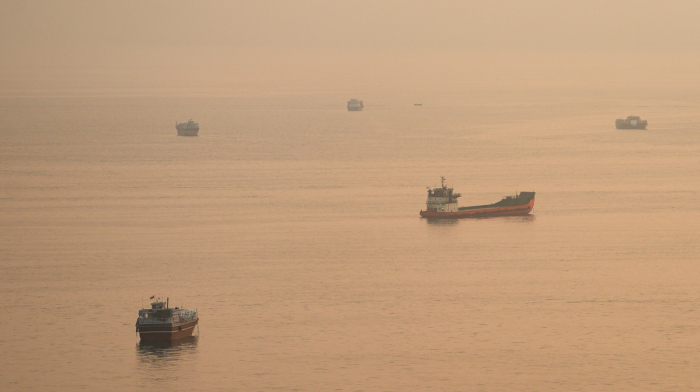
An oil tanker caught fire after striking a naval mine in the southern part of the Strait of Hormuz, Iran’s Islamic Revolutionary Guard Corps (IRGC) Navy said late Sunday.
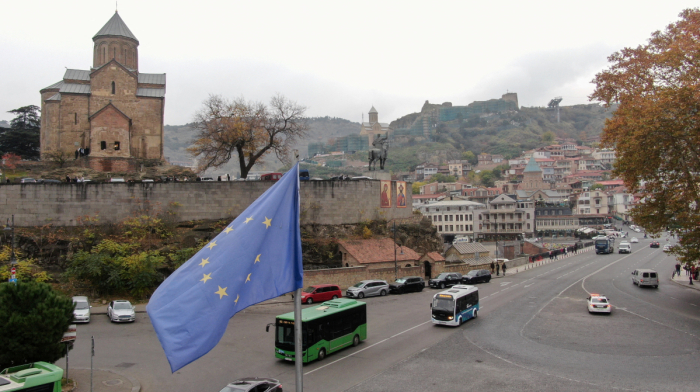
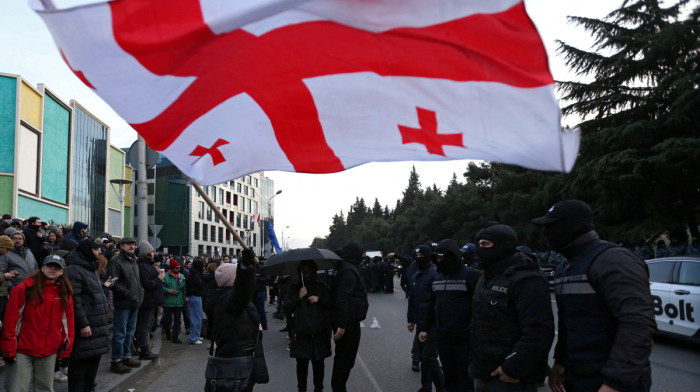
The European Union has warned that Georgia's bid to ban five major opposition parties threatens political freedoms and fair competition, as the Constitutional Court prepares to hear the case from 21 to 23 October.
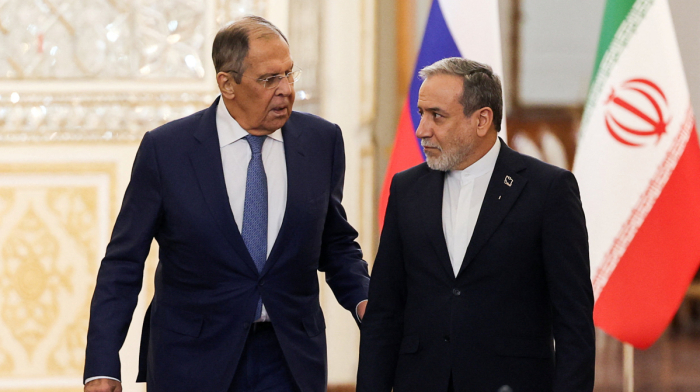
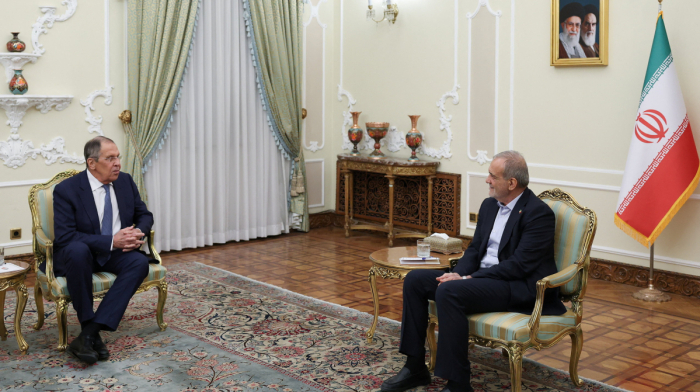
Iranian Foreign Minister Abbas Araghchi said regional issues should be resolved through diplomacy and blamed the United States for insecurity and tensions in the Strait of Hormuz, speaking at a joint news conference with Russian Foreign Minister Sergey Lavrov on Monday.
Georgia’s Constitutional Court in Batumi will on Wednesday hear a lawsuit seeking to ban five Georgian opposition parties, four of which collectively gained 784,820 votes (37.79 per cent) in the country’s last national elections in 2024.
IranandRussia renewed calls for diplomatic solutions to end the ongoing regional conflict, while also pledging to deepen bilateral politicalandeconomiccooperation followingRussianForeignMinisterSergeyLavrov’svisittoTehranonMonday.
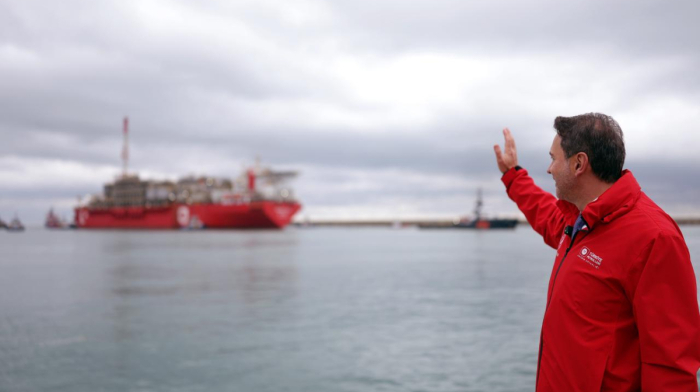
Türkiye is set to receive Russian diesel under a U.S.-backed agreement, Energy Minister Alparslan Bayraktar said on Sunday, as Ankara pushes ahead with plans to boost domestic gas production and reduce its reliance on imported energy.
Download the AnewZ app
You can download the AnewZ application from Play Store and the App Store.








What is your opinion on this topic?
Leave the first comment