China and Pakistan discuss Afghanistan security and Urumqi Process
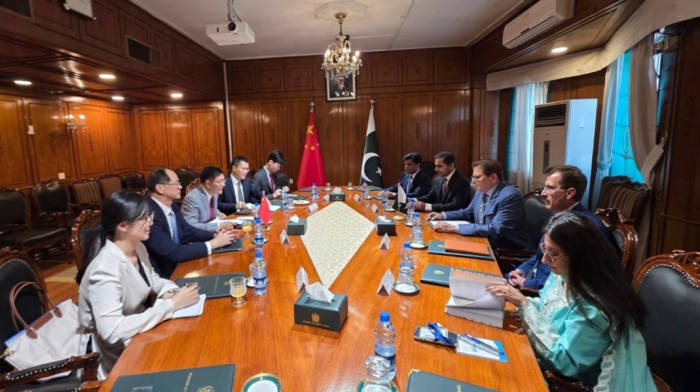
China’s Special Envoy for Afghanistan, Yue Xiaoyong, has met Pakistan’s Special Representative for Afghanistan, Mohammad Sadiq, in Islamabad to di...
U.S. forces will hold multi-day air exercises in the Middle East as Washington increases its military presence amid strained ties with Iran.
The U.S. military said the drills are intended to test operations under demanding conditions while improving coordination with regional partners.
Air Forces Central said the exercise was designed to “enhance asset and personnel dispersal capability, strengthen regional partnerships and prepare for flexible response execution.”
The announcement came as U.S. President Donald Trump warned that an “armada” was moving toward Iran and said military action remained a possibility, while emphasising that he hoped to avoid escalation.
“We have a lot of ships going that direction, just in case,” Trump said. “I’d rather not see anything happen, but we’re watching them very closely.”
U.S. Central Command (CENTCOM) said the exercises would be held with the approval of host nations and in close coordination with civil and military aviation authorities, stressing safety, precision and respect for sovereignty. It did not disclose the location, duration or assets involved.
CENTCOM has also confirmed the arrival of a U.S. carrier strike group led by the nuclear-powered aircraft carrier USS Abraham Lincoln, a deployment U.S. officials described as defensive and aimed at deterrence and regional stability.
Tensions between Washington and Tehran have intensified following Iran’s crackdown on anti-government protests. Trump has warned Tehran against killing protesters and said the United States remains open to talks if Iran understands the terms.
Iranian leaders have criticised the U.S. military buildup as destabilising. Foreign Ministry spokesperson Esmaeil Baghaei said Iran was “more than capable” of responding to any aggression and that its armed forces were closely monitoring developments.
Several U.S. allies in the region, including Saudi Arabia and the United Arab Emirates, have said they would not allow their airspace to be used for military action against Iran. The UAE has also said it would not provide logistical support for any such operation.
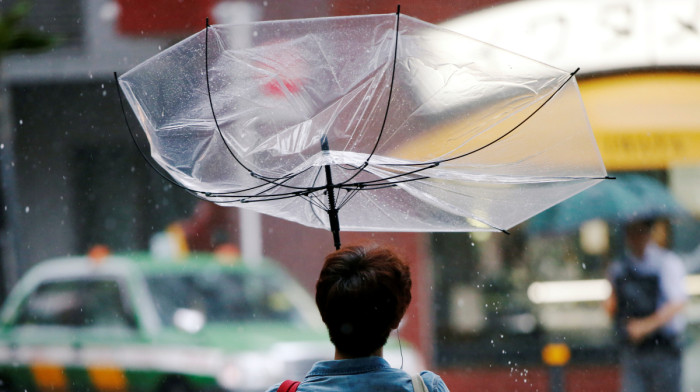
Okinawa lost transport links and suffered widespread power outages on Monday (1 June) as Severe Tropical Storm Jangmi brought destructive winds and heavy rain to Japan's south-western islands.
Competing narratives continue to shape perceptions of the war in Ukraine, with Russian leadership suggesting a possible end phase while Ukrainian officials warn of renewed large-scale attacks and ongoing escalation risks.
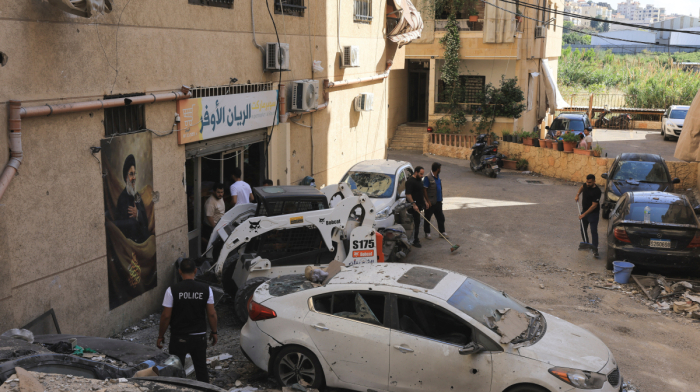
U.S. Secretary of State Marco Rubio has held talks with Lebanese President and Israeli Prime Minister on efforts to ease tensions between Israel and Lebanon. According to a U.S. official, Washington has proposed a plan aimed at achieving a gradual de-escalation of hostilities.
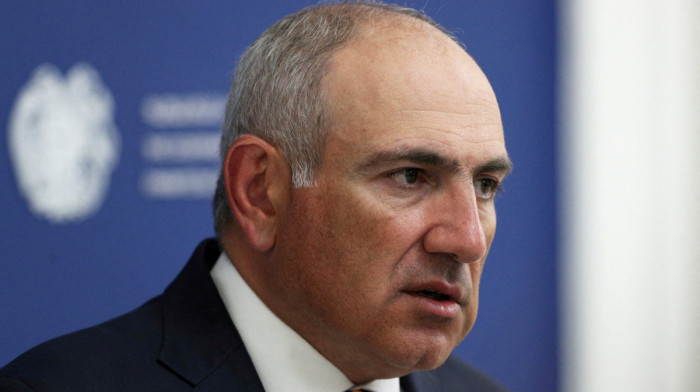
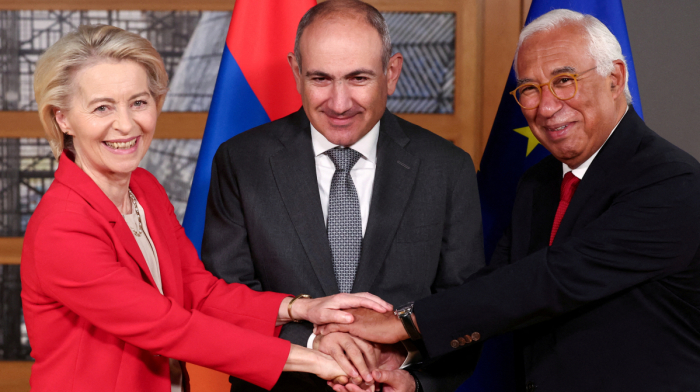
When Armenians vote on 7 June, they will be voting in an election shaped by months of political change and a rapidly deepening relationship with the European Union. The result may not only determine who governs Armenia but also the future direction of the country's geopolitical alignment.
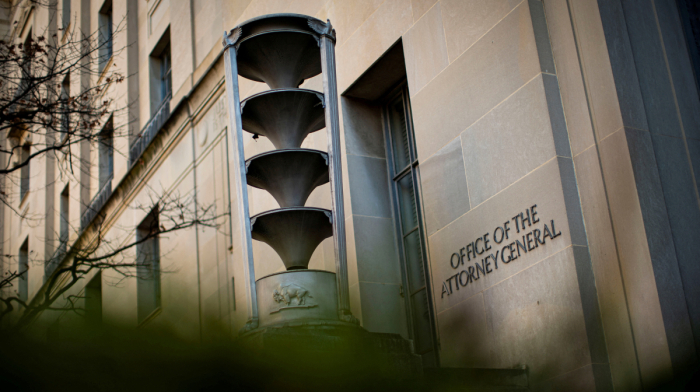
Unsealed records from the U.S. Department of Justice have renewed scrutiny of lawyer Robert Amsterdam after documents revealed communications between his law firm and Jeffrey Epstein's office. The disclosures have drawn attention because of Amsterdam's prominent role in Armenia.
China’s Special Envoy for Afghanistan, Yue Xiaoyong, has met Pakistan’s Special Representative for Afghanistan, Mohammad Sadiq, in Islamabad to discuss the China-facilitated Urumqi Process and regional security concerns.
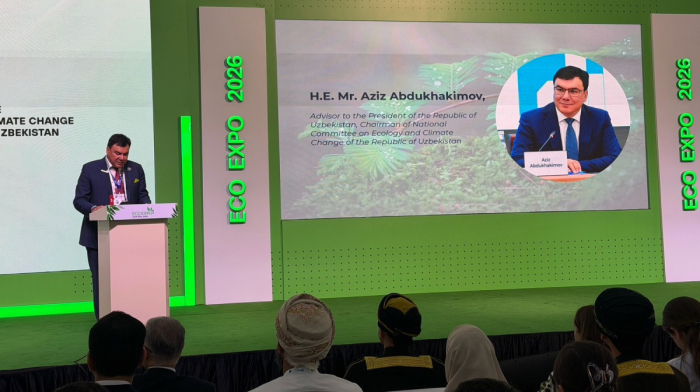
International organisations, investors, environmental experts and business representatives gathered in Samarkand for the opening of Eco Expo Central Asia 2026, one of the region's largest environmental events focused on green growth, climate resilience and sustainable development.
Armenian Prime Minister Nikol Pashinyan has said Yerevan remains committed to normalising relations with Azerbaijan and Türkiye, expressing confidence that decades of regional hostility will eventually give way to lasting stability.
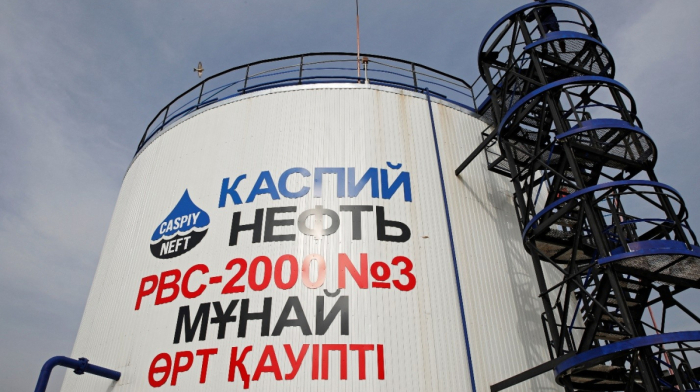
Kazakhstan has restored oil production after an accident at the Tengiz oil field briefly disrupted output last week, while also signalling its readiness to increase crude shipments through the Baku–Tbilisi–Ceyhan (BTC) pipeline.
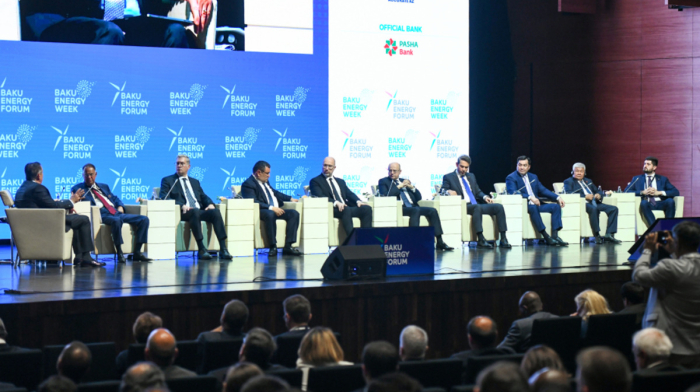
Baku has once again become a focal point for international energy diplomacy, investment and strategic cooperation, as Baku Energy Week brings together policymakers, industry leaders and investors from around the world.
You can download the AnewZ application from Play Store and the App Store.
What is your opinion on this topic?
Leave the first comment