Residents in Syria’s Kurdish-majority city of Qamishli have stepped up volunteer patrols amid growing pressure from the country’s Islamist-led government, expressing deep mistrust of Damascus despite a fragile U.S.-backed ceasefire.
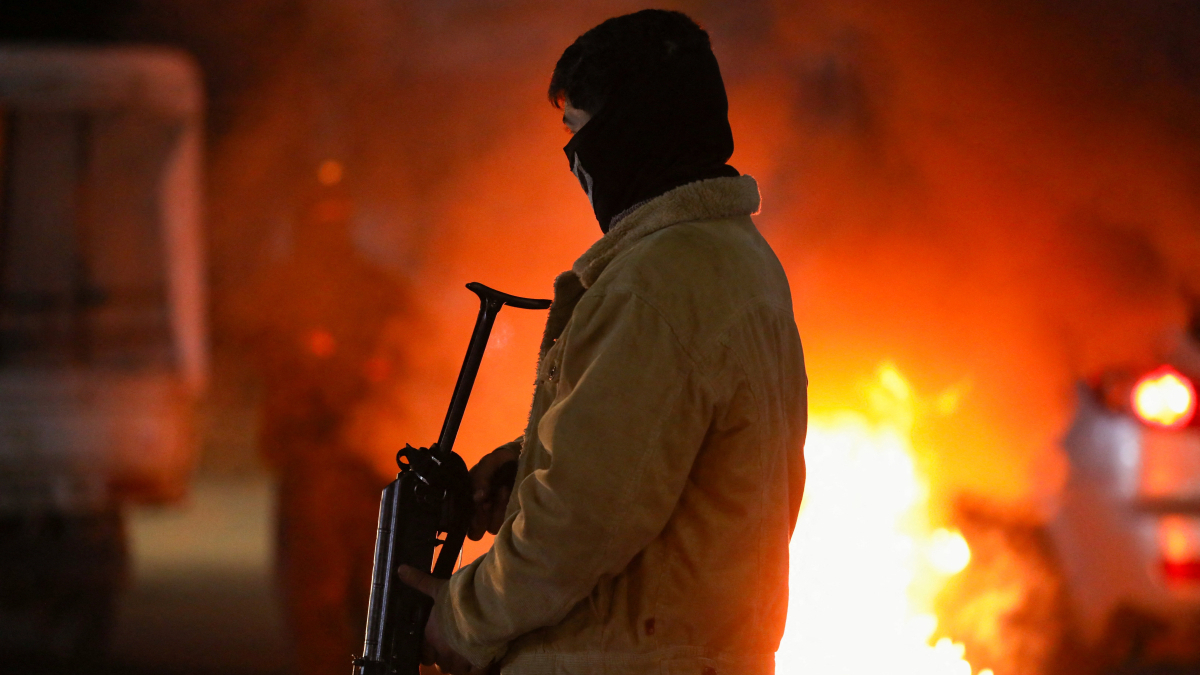
In the northeastern city, shopkeepers, mechanics and students were among those taking part in nighttime patrols this week, saying they were determined to defend their neighbourhoods and preserve the self-rule established during Syria’s long civil war.
“We’ve come out to guard our neighbourhood, to stand with our people and guard our land,” said 23-year-old clothing shop owner Yazen Ghanem, who joined the patrols. “This is our land. We won’t accept any stranger coming into our areas.”
The patrols reflect simmering tensions despite a ceasefire brokered with U.S. backing, which was extended on Saturday for 15 days. Sporadic clashes have still been reported.
Pressure on Kurdish Enclaves
President Ahmed al-Sharaa’s government, which has taken control of large parts of northern and eastern Syria from the Kurdish-led Syrian Democratic Forces (SDF), is pressing for the integration of the remaining Kurdish-run enclaves into the state.
Qamishli is now one of the last major strongholds where Kurds retain de facto autonomy, a system built during the conflict after decades of repression under the former Assad dynasty.
While Sharaa has publicly vowed to uphold Kurdish rights, including recognising Kurdish as a national language earlier this month, many residents say they do not trust the former al-Qaeda commander.
“We do not trust them,” said Radwan Eissa, a Kurdish mechanic taking part in the patrols. “If they enter our areas, they will not give any rights to the Kurds, and they will turn against us at any moment.”
Minority Fears After Past Violence
Fears among Syria’s minorities were heightened last year following bouts of violence in which government-aligned fighters clashed with Alawite communities along the coast and Druze groups in Sweida province, leaving hundreds dead. Sharaa has promised accountability for abuses.
A senior Syrian government official said Kurdish fears were “understandable”, citing violations committed by some troops in Sweida and during recent advances into Kurdish-held areas.
Government forces have since advanced to the outskirts of Hasakah, an ethnically mixed city about 70 kilometres south of Qamishli, and have also encircled Kobani (Ain al-Arab) near the Turkish border.
The SDF has vowed to defend Kurdish-controlled regions.
Autonomy and Constitutional Rights
The SDF expanded its territory while partnering with the United States against Islamic State. However, its position has weakened as Washington has deepened ties with Sharaa’s government over the past year.
U.S. President Donald Trump said on 20 January that Washington was trying to protect the Kurds.
Kurdish political activist Ivan Hassib, who is critical of the dominant Kurdish PYD party, said the government’s recognition of Kurdish rights was a positive step but far from sufficient.
“Kurdish rights must be enshrined in the Syrian constitution,” he said. “They should not be limited to cultural rights. There are national and political rights that must be discussed in the future. A lasting solution requires some form of autonomy or local self-administration.”
As negotiations stall and military pressure increases, residents of Qamishli say they are preparing to defend their enclave, uncertain whether promises from Damascus will translate into lasting guarantees on the ground.










What is your opinion on this topic?
Leave the first comment