Sanctions are a long-used tool designed as an alternative to military force and with the objective of changing governments’ behaviour, but they also end up hurting civilian citizens.
If in doubt, take a look at 47 years of U.S.-imposed sanctions against Iran, during which sanctions regimes have neither decreased prospects of a military encounter nor altered the policies of Iranian leaders.
Rather, they have negatively impacted Iranian society because of their broad nature affecting business, health, education and humanitarian aspects of life.
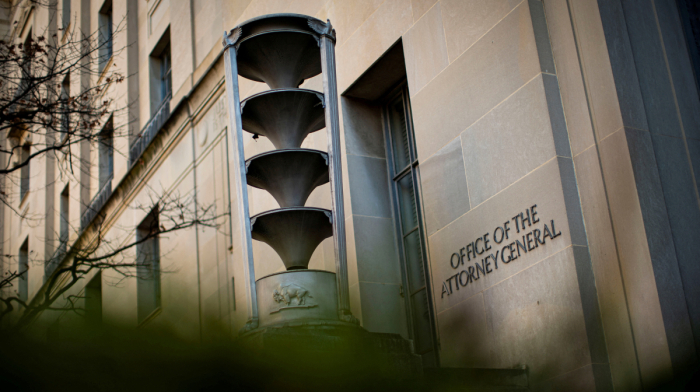
In mid-January, 2026, the U.S. Department of the Treasury’s Office of Foreign Assets Control (OFAC) clamped new sanctions on ships for allegedly transporting Iranian oil to international markets, in violation of unilateral U.S. sanctions.
The U.S. government is relying on energy policies and oil sanctions, to force Iran to back down after it rejected a demand to halt its nuclear programme.
Sanctions: A brief history
U.S. sanctions on Iran date back to the 1979 Islamic Revolution, which ended Washington’s alliance with the former Shah. Nearly five decades later, those sanctions remain in force.
What began with frozen Iranian assets in U.S. banks, has since expanded, tied to disputes over Tehran’s regional policy, nuclear program, and ballistic missile development.
U.S. sanctions have intensified under Washington’s so-called “maximum pressure campaign”, targeting Iran’s foreign trade, particularly petrochemical exports. It began under President Donald Trump’s first term and has accelerated since his return to office in January 2025.
Which services are impacted?
The sanctions now hit Iran’s energy, shipping, and financial sectors, with negative effects across a broad spectrum of society. Inflation above 50 percent and a steep currency decline of 90 percent have pushed up prices and weakened purchasing power.
While U.S. sanctions officially target specific sectors, their impact has been far-reaching, fuelling shortages and renewing debate over their effectiveness and humanitarian cost.
The U.S. sanctions have not changed Iran’s regional policy or its stand on the nuclear programme and ballistic missiles. The United States is demanding a zero-enrichment policy and limiting the range of Iran’s missiles to about 500 kilometres.
Neither side backs down
With Iran declaring the U.S. conditions its "red lines," there are no promising prospects on easing of U.S. sanctions, let alone removing them, in the near future.
Trump has said that the U.S. is "watching Iran" and is moving "an armada" of warships towards the country "just in case" he decides to take action.
In response to his threats, Iran unveiled a mural in downtown Tehran showcasing a strike on a U.S. aircraft carrier and a burning U.S. flag.











What is your opinion on this topic?
Leave the first comment