Syrian President Ahmed al-Sharaa has signed a decree recognising Kurdish language rights, as government forces advanced against U.S.-backed Kurdish-led fighters despite U.S. calls for restraint.
Fighting has displaced more than 11,000 civilians from towns east of Aleppo in recent days, residents said, as Syrian troops moved into areas vacated by Kurdish-led forces under a withdrawal agreement.
In an address on Friday, Ahmed al-Sharaa said the decree would ensure Kurdish rights were "safeguarded by the text of the law" and urged displaced Kurdish Syrians to return to their towns and villages, provided they laid down their weapons.
The decree recognises Kurdish as a national language in Syria, declares Nowruz a national holiday and orders the restoration of Syrian citizenship to Kurds stripped of it under a controversial 1962 census.
It also instructs state institutions to promote inclusive discourse and equal rights.
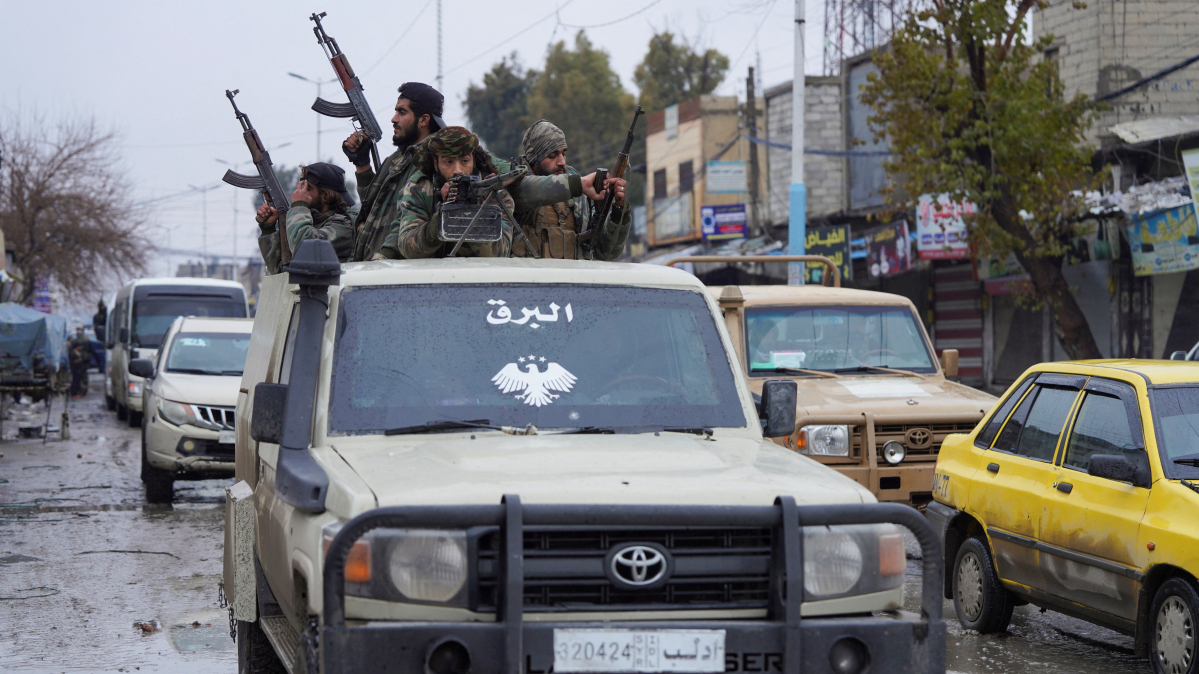
On the ground, Syrian army tanks and armoured vehicles entered the town of Deir Hafer on Saturday after fighters from the Kurdish-led Syrian Democratic Forces withdrew to avoid further clashes, according to the Associated Press.
The military said it had taken control of Deir Hafer and the nearby Jarrah air base and was clearing mines and explosives as it advanced eastwards.
State media later reported clashes near Maskana, where two soldiers were killed and others wounded.
Syrian state media also said government forces had taken control of the strategic town of Tabqa (formerly al-Thawrah) and nearby dams along the Euphrates River, as well as oilfields west of Raqqa.
Kurdish authorities did not confirm the loss of those positions, and Reuters said it was unclear whether fighting was still ongoing.
The SDF accused Damascus of violating the withdrawal agreement by pushing into areas not covered by the deal, calling the situation "highly dangerous".
The original agreement covered Deir Hafer and surrounding Arab-majority villages, where residents were seen welcoming the arrival of government troops.
The U.S. military said it had met Kurdish partners in the Deir Hafer area as part of efforts to support stability. A spokesperson for United States Central Command said "a Syria at peace with itself is critical to preserving peace and stability across the region".
Brad Cooper, head of U.S. Central Command, said in a statement posted on X that Syrian troops should "cease any offensive actions" between Aleppo and Tabqa.
Meanwhile, SDF leader Mazloum Abdi said his forces would withdraw from areas east of Aleppo and redeploy east of the Euphrates, citing calls from friendly countries and mediators.
Reuters reported that the United States had urged Syrian forces to halt further advances into Kurdish-held territory. There was no immediate public comment from the White House.










What is your opinion on this topic?
Leave the first comment