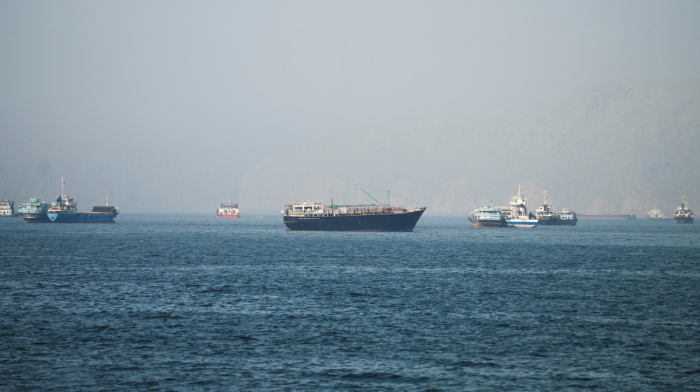
live China says three ships safely pass Strait of Hormuz - Middle East conflict on 31 March
The Iran-U.S.-Israel conflict is escalating further with missile and drone attacks, expanded strikes on key infrastructure, and growing regional fa...
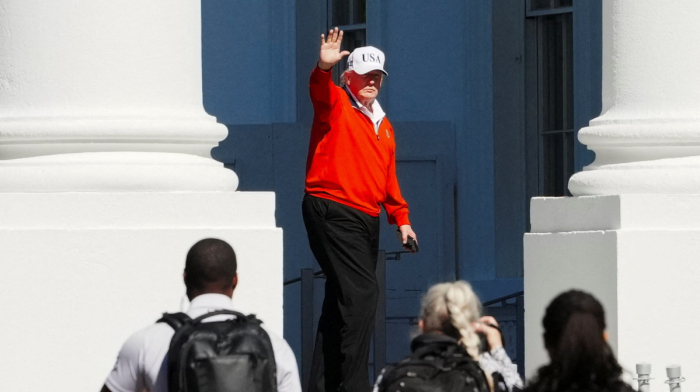
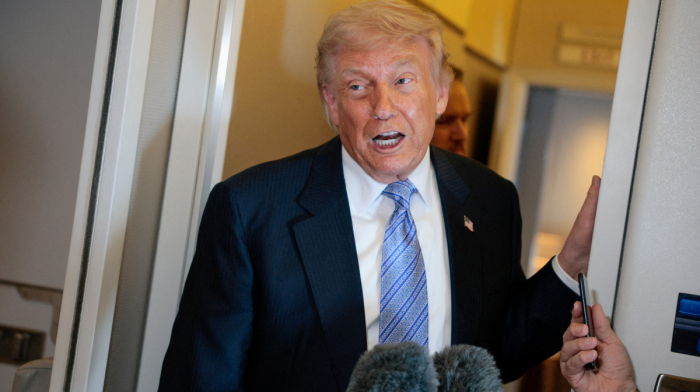
U.S. President Donald Trump has questioned whether Reza Pahlavi, the son of the late shah of Iran, would be able to command enough support inside Iran to lead the country if its clerical leadership were to fall.
Speaking in an interview with Reuters, Trump said Pahlavi appeared “very nice” but suggested it was unclear how much backing he would have among Iranians themselves.
Trump suggested that political change in Iran would ultimately have to come from within.
“It’s not for us to decide,” he said, indicating reluctance to be seen as shaping Iran’s leadership from abroad - a sensitive issue given the country’s history of foreign intervention.
“I don’t know whether or not his country would accept his leadership, and certainly if they would, that would be fine with me,” Trump told Reuters.
The comments come amid continuing unrest in Iran and renewed debate over who could emerge as a viable alternative to the current regime.
Reza Pahlavi, 65, has lived in exile in the U.S. since the 1979 revolution that overthrew his father, Shah Mohammad Reza Pahlavi, and brought the current supreme leader to power.
In recent years, and particularly since widespread protests erupted across Iran, he has sought to position himself as a unifying figure for opposition groups calling for democratic change.
In an interview with CBS News earlier this week, Reza Pahlavi told the U.S. broadcaster that he was “ready to die for liberty,” in Iran.
While Washington has repeatedly condemned Tehran’s crackdown on protesters and imposed sanctions on Iranian officials, the U.S. administration has stopped short of openly backing any single opposition leader.
Iran has experienced waves of anti-government protests over recent years, driven by economic hardship, political repression and demands for greater personal freedoms. Security forces have responded forcefully, with thousands reportedly arrested and killed, according to human rights groups.
The Iranian government has dismissed opposition figures abroad and accuses Western governments of fuelling unrest.
The United Nations Security Council is due to meet on Iran on Thursday (15 January) at the request of the United States.
U.S. President Donald Trump has said that the U.S is in talks with the new Iranian regime. He said this in a post on his Truth Social account but warned that the U.S. will "Obliterate" Iran's electric and oil facilities if no deal is reached, especially regarding the Strait of Hormuz closure.
Cuba and the United States have been at odds for more than six decades, with tensions rooted in the 1959 revolution that transformed the island’s political and economic system. Renewed focus on relations comes as Donald Trump’s rhetoric intensifies and conditions on the island worsen.
NASA is aiming to launch its Artemis 2 mission on Wednesday (1 April), sending astronauts on a 10-day journey around the Moon, officials confirmed. According to the Space Administration, the launch window is due to open at 23:24 GMT, with additional opportunities to 6 April if delays occur.
A senior Iranian military officer warned that American troops will become ‘food for sharks’ on Sunday if the U.S. launches a ground offensive in Iran. The threat came as contingents of U.S. Marines began to arrive in the Middle East, with thousands expected to be deployed in the region.
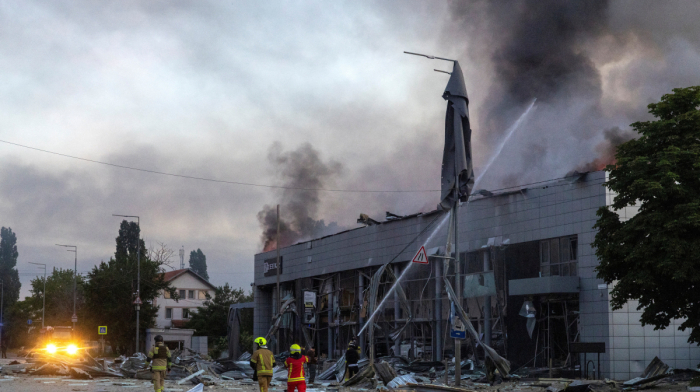
The Israeli military said on Monday that Iran launched multiple waves of missiles at Israel, and an attack had also been launched from Yemen for the second time since the U.S.-Israeli war began on Tehran. It said two drones from Yemen were intercepted early 30 March but gave no further details.
Israel’s parliament has passed a law allowing the death penalty for Palestinians convicted of carrying out deadly attacks on Israelis, a move that has sparked sharp criticism both domestically and internationally.
Egypt’s President Abdel Fattah al-Sisi on Monday urged U.S. President Donald Trump to intervene in the escalating Gulf conflict, warning that only he could prevent it from spreading further.
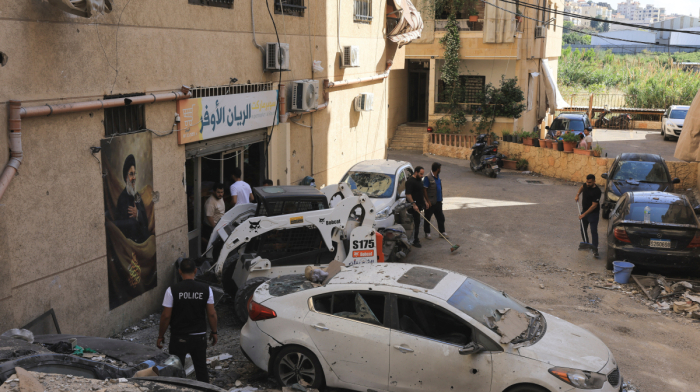
The Middle East conflict has entered a new phase, with Israel expanding its operations into southern Lebanon and tensions with Iran escalating. Analysts warn that the collapse of traditional deterrence and rising nuclear risks could trigger a global arms race.
Imports of industrial goods into Kyrgyzstan surged in January 2026, driven by a construction boom and the modernisation of production capacity, with China supplying $51.2 million in electrical equipment to become the country’s largest trading partner.
Georgia’s Minister of Economy, Mariam Kvrivishvili, met UK Ambassador Gareth Edward Ward in Tbilisi on 27–28 March to discuss trade, investment and transport links between Georgia and the United Kingdom.
You can download the AnewZ application from Play Store and the App Store.
What is your opinion on this topic?
Leave the first comment