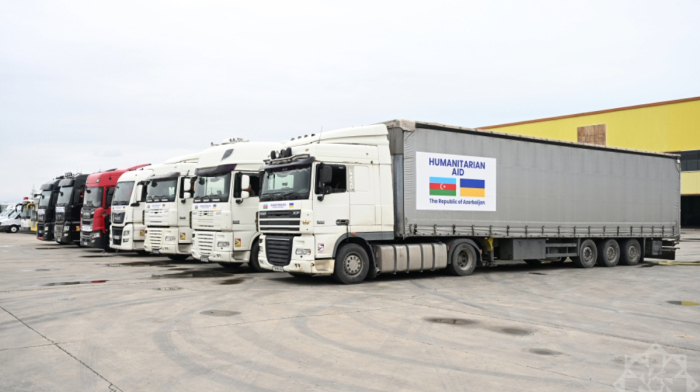
Tajikistan boosts Central Asian fuel imports as Russian supplies dwindle
Tajikistan tripled fuel imports from neighbouring Central Asian countries in July after deliveries from Russia declined sharply, underscoring how disr...
Direct communication between senior U.S. and Iranian officials has broken down as tensions rise over Tehran’s crackdown on protests and fears of U.S. military action.
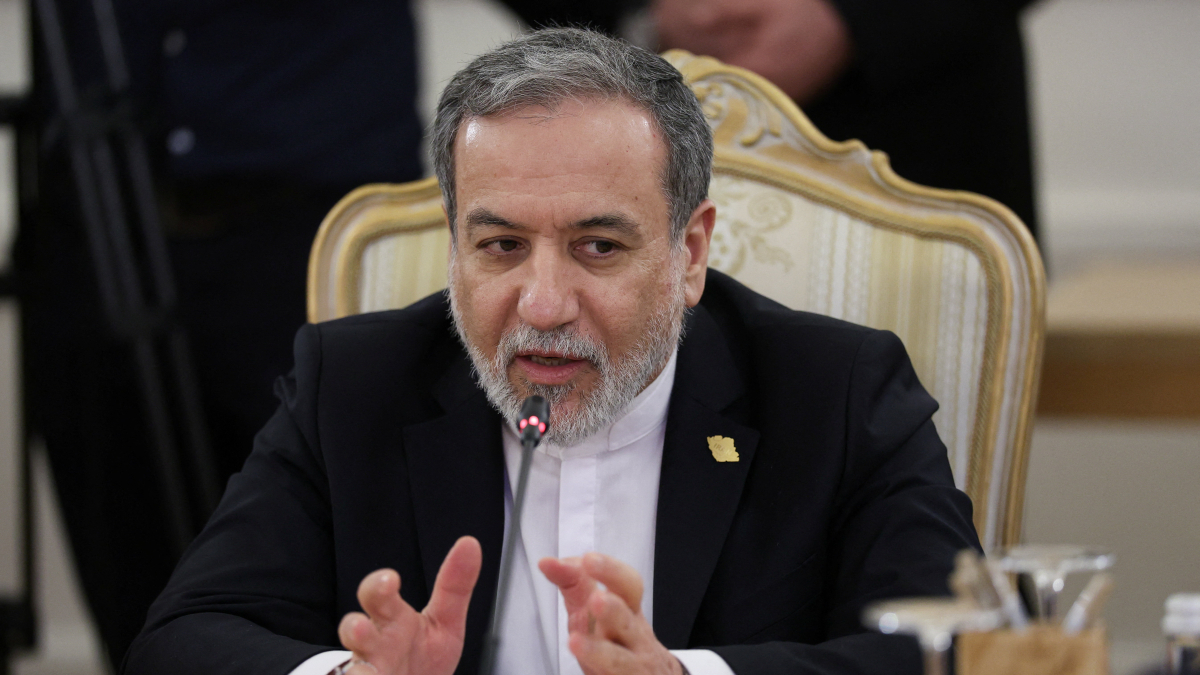
Contacts between Iranian Foreign Minister Abbas Araghchi and U.S. special envoy Steve Witkoff have been suspended, citing a senior Iranian official.
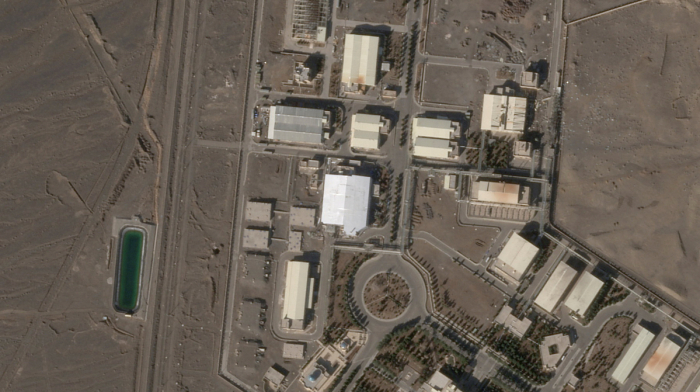
The development comes as President Donald Trump warned of possible U.S. military strikes against Iran following reports of protesters being killed during antigovernment demonstrations. The warning follows a brief war in June, when U.S. forces bombed Iranian nuclear sites during a 12-day conflict launched by Israel.
Iran has responded by threatening retaliation against U.S. military bases across the region if it is attacked.
Amid the escalating tensions, some personnel have been advised to leave the U.S. military’s Al Udeid airbase in Qatar - Washington’s largest base in the Middle East — by Wednesday evening.
Meanwhile, Iran’s judiciary signalled a tougher response to the protests. Chief Justice Gholamhossein Mohseni-Ejei said trials and punishments must be carried out quickly to maintain deterrence.
“If we want to do something, we have to do it now,” he said in comments broadcast by Iranian state television, warning that delays would weaken the impact of punishment. Activists fear the remarks point to fast-tracked trials and possible executions of detained protesters.
Iran’s Defence Minister Aziz Nasirzadeh also issued a strong warning, saying Iran had “many surprises” for any attacker. He added that countries assisting strikes against Iran would be considered legitimate targets.
“If these threats turn into action, we will defend the country with full force and until the last drop of blood,” Nasirzadeh said at a security meeting.
The breakdown in diplomacy has raised fears that the standoff between the U.S. and Iran could move closer to direct confrontation.

U.S. President Donald Trump said there was an "all-day negotiation" on Tuesday with Iran, characterising the talks positively while also threatening to hit Iran "really hard" if a deal was not reached.
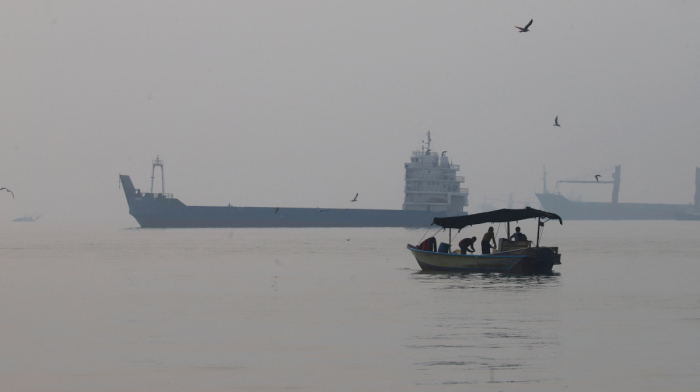
Shipping traffic through the Strait of Hormuz and the Bab el-Mandeb Strait, two key maritime chokepoints in the region, decreased significantly from the previous day, according to shipping data.
Start your day informed with AnewZ Morning Brief. Here are the top news stories for the 6th of August, covering the latest developments.
U.S. President Donald Trump said negotiations to reopen the Strait of Hormuz are progressing and suggested an agreement with Iran could be reached “soon”.
Kazakhstan’s main oil export corridor was disrupted by drone strikes near Russia’s Black Sea coast in July, forcing a temporary suspension of crude loadings and raising fresh concerns over the vulnerability of regional energy infrastructure to the war in Ukraine.
Italy is considering Armenia as a possible location for a migrant reception or repatriation centre, according to media reports.
Uzbek exporters say repeated disruptions to Wildberries' logistics network in Russia have slowed deliveries and affected overseas sales, prompting the government to hold talks with the online marketplace's management.
Thailand's prime minister has pledged to introduce tougher gun laws after a school shooting outside Bangkok left at least eight people dead, including the suspected teenage gunman.
Morocco has expressed its readiness to work with Spain and other European partners to identify and return unaccompanied minors following the mass arrival of tens of thousands of migrants Ceuta last week.
Start your day informed with AnewZ Morning Brief. Here are the top news stories for the 7th of August, covering the latest developments.
You can download the AnewZ application from Play Store and the App Store.
What is your opinion on this topic?
Leave the first comment