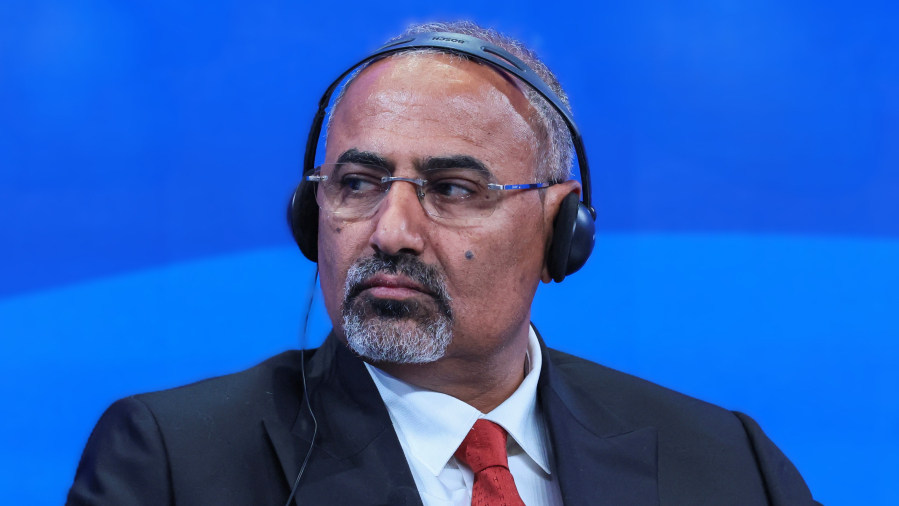
The head of the United Arab Emirates‑backed Southern Transitional Council (STC) of Yemen, Aidarous al-Zubaidi, has fled to an unknown location on Wednesday (7 January), skipping a scheduled flight to Riyadh for crisis talks, according to Saudi‑backed coalition officials.
A statement from Major General Turki al‑Maliki, spokesperson for the Saudi‑backed coalition supporting Yemen’s internationally recognised government, said Zubaidi was due to travel to Riyadh but did not board the flight.
The plane instead departed after a more than three‑hour delay without him. There was no information on his whereabouts.
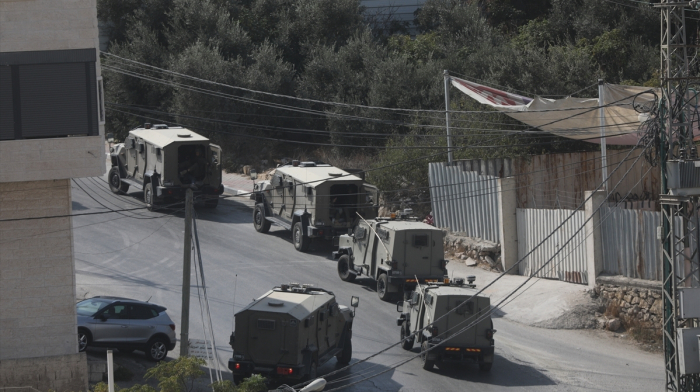
While other senior STC leaders left on the flight, Maliki said during the delay, that "information became available indicating that he had moved large forces," citing "calls for mobilisation and the movement and arming of factions with light and medium weapons".
STC officials' latest comment states that Aidarous al-Zubaidi, is in Aden overseeing military and security operations, contradicting reports from the Saudi-led coalition. It's also said that they have lost contact with their delegation in Riyadh, where talks were scheduled to address the southern crisis.
The situation dashes hopes for a quick resolution to the recent turmoil in Yemen's south that exposed a deep rift between the Gulf powers, fracturing a coalition to battle the Iran-aligned Houthis in a civil war more than a decade old. It's after fighting erupted between STC forces and the Saudi‑backed government last month triggering a deep feud between Saudi Arabia and the UAE.
Following Zubaidi’s disappearance, the Saudi‑backed presidential council stripped him of his membership and referred him to the public prosecutor on charges including high treason, state news agency SABA reported. He was accused of inciting armed rebellion, attacking constitutional authorities and committing abuses against civilians.
Saudi forces say it also carried out limited pre‑emptive airstrikes in the southern province of al‑Dhalea, Zubaidi’s birthplace, on Wednesday, after monitoring movements of armed forces that had left their camps. According to domestic and STC sources, more than 15 strikes were made on the area.
The latest developments stems from the STC’s sudden seizure of swathes of territory in southern Yemen last month, including parts of Hadramout and Mahra.
Analysts say the STC’s territorial gains have contributed to a deterioration in relations between Saudi Arabia and its former coalition partner the UAE.
The UAE, which joined the Saudi‑led coalition in 2015 to support the internationally recognised government after the Houthis seized Sanaa in 2014, subsequently withdrew its forces under pressure from Riyadh as tensions escalated.
The stalled Riyadh talks had been intended to bring together southern factions to address the issue, after Yemen’s government asked Saudi Arabia to host a forum on the southern crisis.
Zubaidi’s disappearance has left the status of those negotiations uncertain.













What is your opinion on this topic?
Leave the first comment