Protest outside Azerbaijani Embassy in London features Iranian flags and hijab placards
Demonstrators carrying Iranian flags and placards supporting the hijab gathered outside the Azerbaijani Embassy...
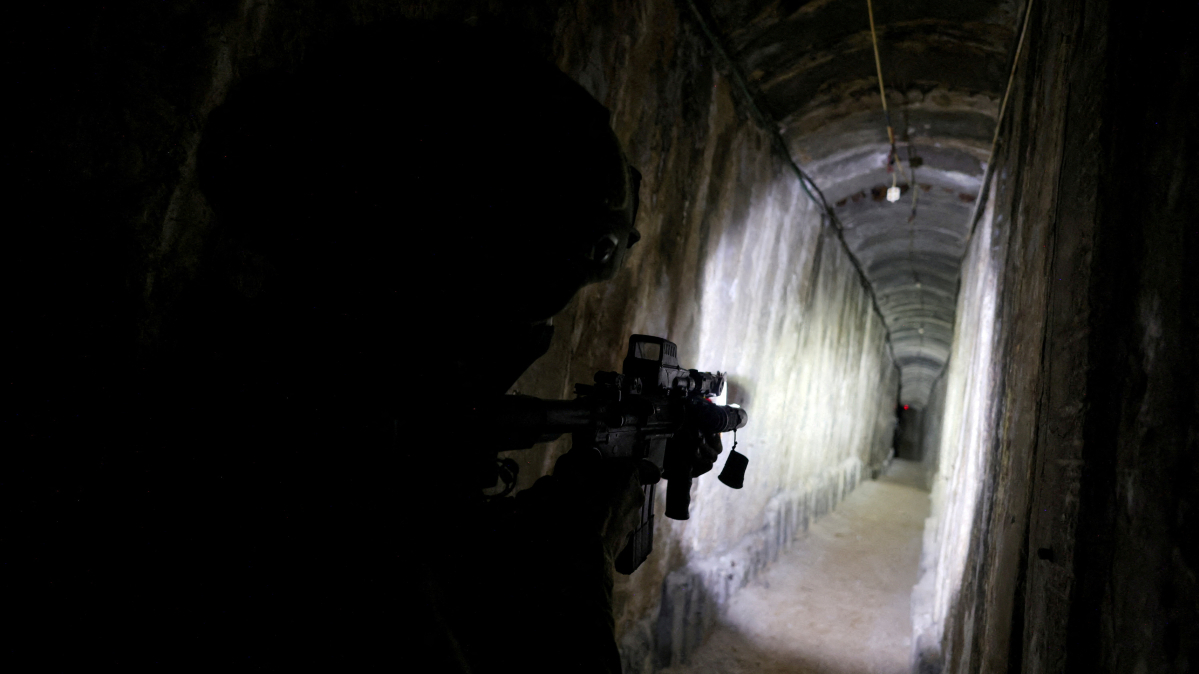
U.S. envoy Jared Kushner met Israeli prime minister Benjamin Netanyahu on Monday as attention shifts to the tougher second phase of the Gaza ceasefire plan, with a standoff over roughly 200 Hamas fighters trapped in Rafah tunnels emerging as the immediate test.
The Israeli government said the talks covered disarming Hamas, demilitarising Gaza and ensuring the group plays no future governing role in the enclave. An official briefed on the meeting added that discussions also addressed an international stabilisation force proposed under President Donald Trump’s plan.
Mediators are seeking a fix to the Rafah impasse, where around 200 Hamas fighters remain in tunnels in an area still under Israeli military control. Hamas wants safe passage in return for disarming, a step Israel has resisted. U.S. envoy Steve Witkoff has framed a disarmament-for-passage arrangement as a test case for wider steps in the ceasefire process, but two Western diplomats said Israel is reluctant to allow movement either deeper into Gaza or to Egypt.
Longer term progress hinges on a transitional governing body for Gaza without Hamas involvement, the mandate and composition of the stabilisation force, the terms of its deployment, disarmament and reconstruction. Any force could require a UN mandate for countries to participate. The United Arab Emirates said it does not yet see a clear framework and would not take part under current conditions.
Both sides accuse each other of breaching the October truce. On Sunday, Hamas returned the body of an Israeli soldier killed more than a decade ago, but four hostage bodies are still believed to remain in Gaza. Israel says Hamas has stalled on handing over all 28 bodies listed in the plan, while Hamas says Israeli restrictions are obstructing aid. Local health authorities in Gaza report 244 Palestinians killed by Israeli strikes since the truce took effect, with two, including a child, killed on Monday after another fatality on Sunday. Israel’s military did not immediately comment.
Israeli officials say all policy moves on Gaza are being coordinated with the U.S. administration. Netanyahu told the Knesset that Gaza would be demobilised either the easy way or the hard way. Mediators warn that any attempt to force the tunnel fighters’ surrender could jeopardise the ceasefire’s second phase.
The Middle East conflict remains tense as diplomatic efforts continue alongside renewed Houthi attacks. Iran says it remains open to mediation, while the Saudi-led coalition says it intercepted a ballistic missile fired towards the kingdom.
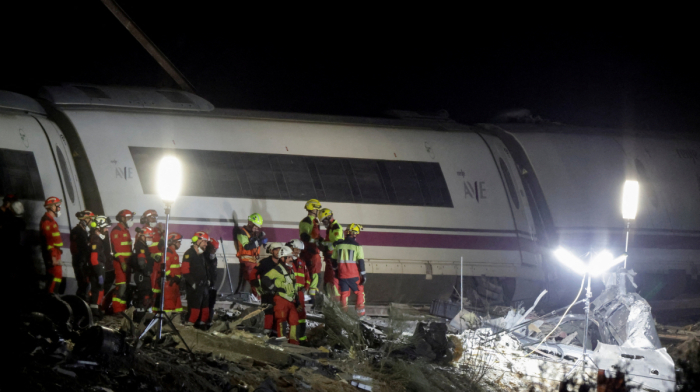
Rescuers searched the wreckage of two high-speed trains in central Spain on Thursday as the death toll rose to a provisional 74, making it the country's second fatal high-speed rail disaster this year.
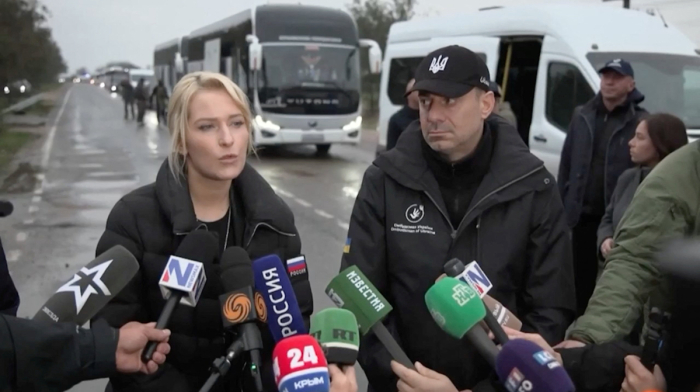
Evacuations and the provision of humanitarian aid in the Russian-occupied southern Ukrainian town of Oleshky have begun, a senior Ukrainian official said on Friday. In a statement on Telegram, David Arakhamia said a six-day ceasefire was holding, and that more details would follow.
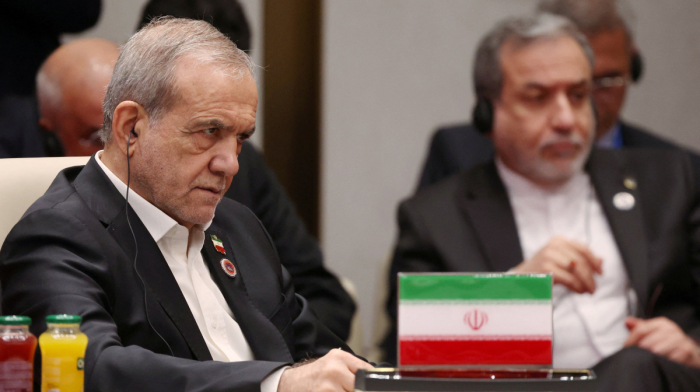
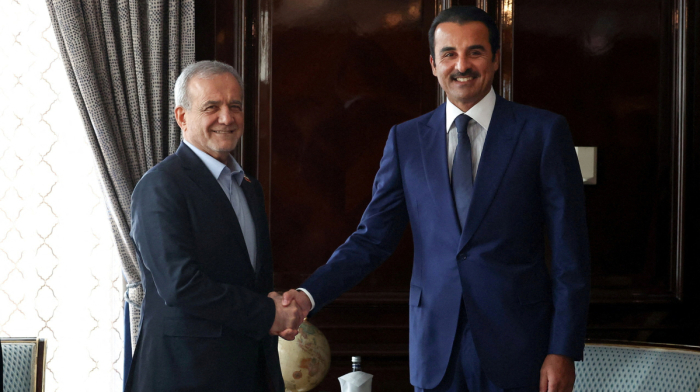
Qatari mediators returned to Tehran on Friday as part of efforts to reach a deal between the U.S. and Iran, according to an official briefed on the talks.
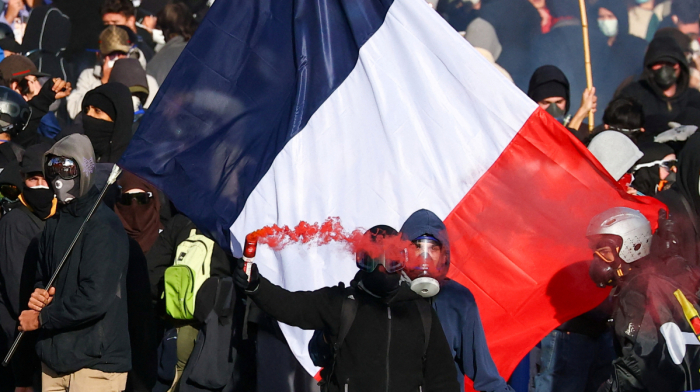
UN human rights experts comprising a group including Special Rapporteurs and independent experts who are part of the UN Human Rights Council, have criticised French authorities over their handling of nationwide student protests.
Demonstrators carrying Iranian flags and placards supporting the hijab gathered outside the Azerbaijani Embassy in London.
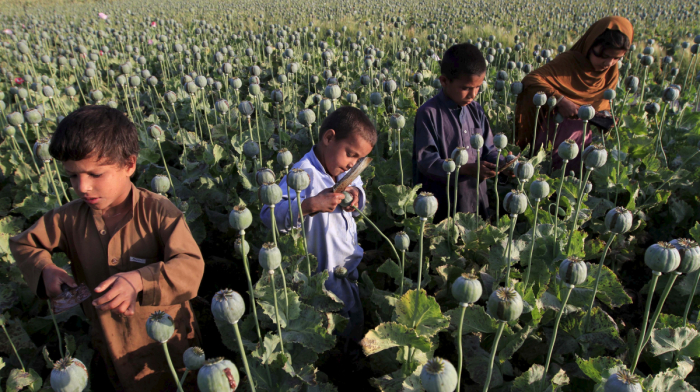
Opium poppy cultivation in Afghanistan surged by 330 per cent in 2026 despite a four-year ban, the United Nations said on Thursday. Afghan authorities disputed the findings, while Japan urged continued support for farmers seeking alternative livelihoods.
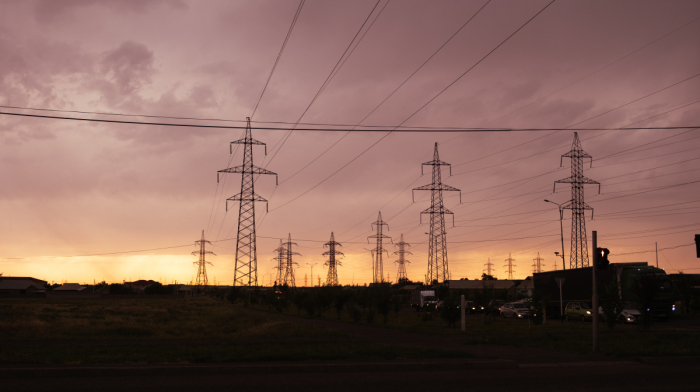
Central Asia could gain up to $640 million a year from closer energy cooperation, but strained electricity grids threaten to limit those gains, with Kazakhstan particularly exposed to regional power shortages and growing pressure on its network.
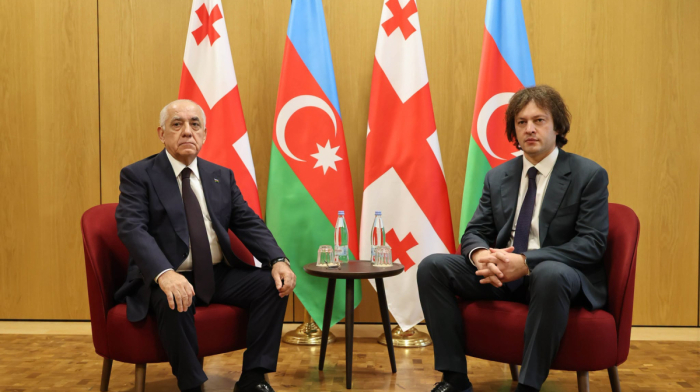
Georgia and Azerbaijan are stepping up efforts to boost trade, strengthen transport links between Asia and Europe and resolve a longstanding border dispute, as both countries seek to deepen their strategic partnership.
People travelling between Uzbekistan, Kazakhstan, Kyrgyzstan, Tajikistan and Azerbaijan could soon be able to pay for purchases using their usual banking apps. Central banks from the five countries are working on linking their national payment systems.
You can download the AnewZ application from Play Store and the App Store.
What is your opinion on this topic?
Leave the first comment