Israeli troops began pulling back from some parts of Gaza on Friday at midday under a ceasefire deal with Hamas according to Israeli military officials on Telegram.
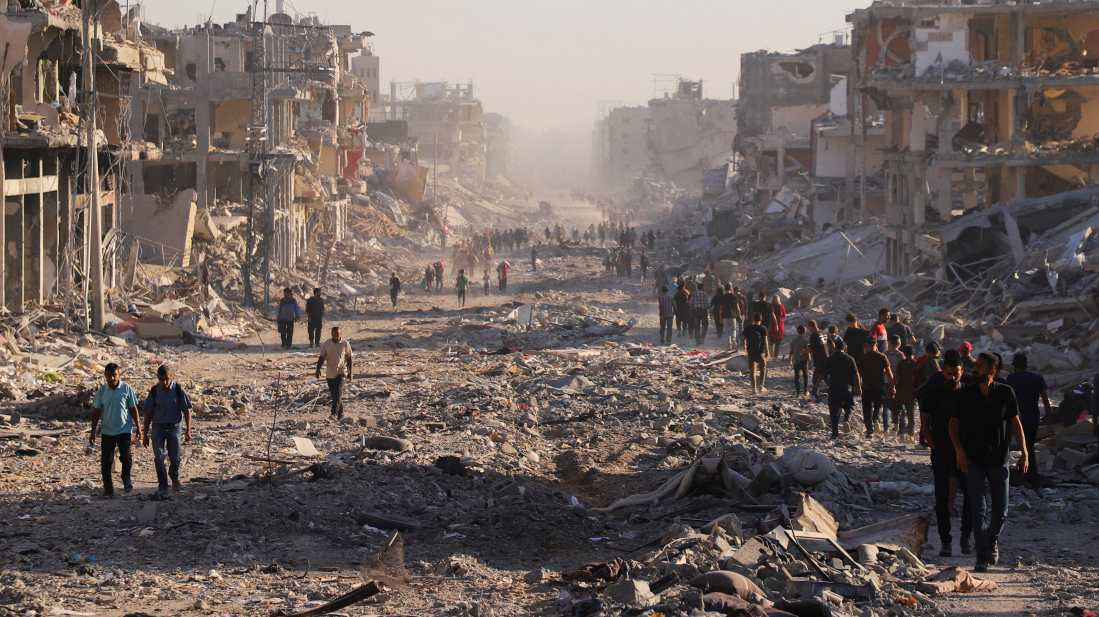
Some residents returned to shattered neighbourhoods amid confusion over when hostilities will be suspended after two years of warfare.
"Thank God my house is still standing," said Ismail Zayda, 40, in the Sheikh Radwan area in Gaza City. "But the place is destroyed, my neighbours' houses are destroyed, entire districts have gone."
"Is it over? They said it is. Why does no one come out and tell us whether there is a ceasefire and we can stop being afraid?"
Israel's government ratified the ceasefire with Hamas in the early hours of Friday, clearing the way to suspend hostilities in Gaza within 24 hours and free Israeli hostages held there within 72 hours after that.
The first phase of U.S. President Donald Trump's initiative to end the two-year war in Gaza calls for the release of Israeli hostages in exchange for Palestinian prisoners, and the start of a withdrawal of Israeli troops.
Israeli forces pull out of positions in centre and south
"The government has just now approved the framework for the release of all of the hostages – the living and the deceased," Israeli Prime Minister Benjamin Netanyahu's English-language X account said.
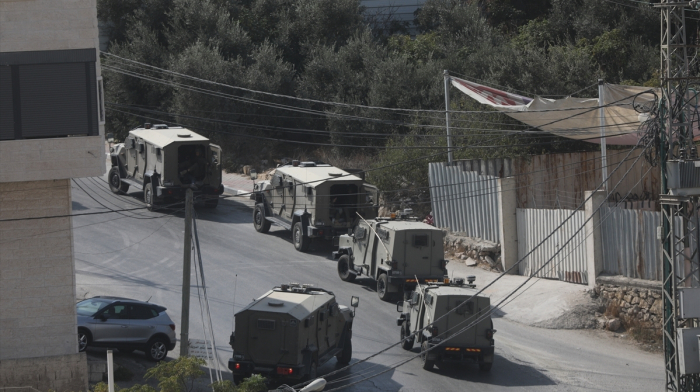
In Khan Younis, in the southern Gaza Strip, some Israeli troops pulled back from the eastern area near the border, but tank shelling was heard, according to residents in contact with Reuters.
In Nusseirat camp in the centre of the Strip, some Israeli soldiers dismantled their position and headed east towards the Israeli border, but other troops remained in the area after gunfire was heard in the early hours of Friday.
Israeli forces pulled out from the road along the Mediterranean coast into Gaza City, where hundreds of people had gathered hoping to return to the main urban centre which has been under Israeli assault for the past month. Gunfire nearby made many reluctant to move, and only a few were attempting to cross on foot, residents said. Rescue workers in Gaza City began missions in areas they had been unable to reach before. Medics said at least 10 bodies were recovered from previous strikes.
Hamas leader says he has received guarantees war is over
The war has deepened Israel's international isolation and upended the Middle East, spreading into a regional conflict that drew in Iran, Yemen and Lebanon. It also tested the U.S.-Israeli relationship, with Trump seeming to lose patience with Netanyahu and pressuring him to reach a deal.
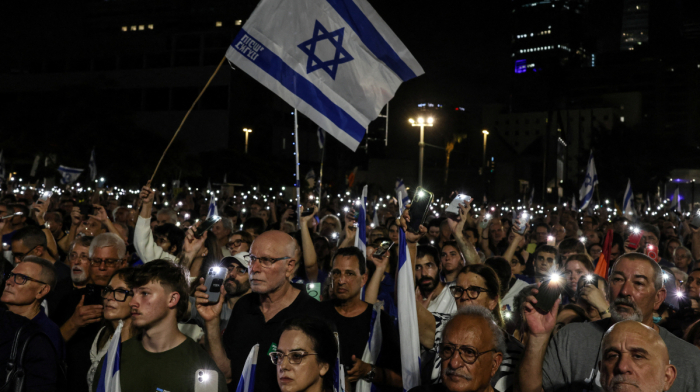
Israelis and Palestinians alike rejoiced after the deal was announced, the biggest step yet to end two years of war in which more than 67,000 Palestinians have been killed, according to Gaza's Health Ministry, and return the last hostages seized by Hamas.
Hamas' exiled Gaza chief Khalil Al-Hayya said he had received guarantees from the United States and other mediators that the war was over.
Twenty Israeli hostages are still believed to be alive in Gaza, while 26 are presumed dead and the fate of two is unknown. Hamas has indicated that recovering the bodies of the dead may take longer than releasing those who are alive.
Once the agreement is operating, trucks carrying food and medical aid will surge into Gaza to help civilians, hundreds of thousands of whom have been sheltering in tents after Israeli forces destroyed their homes and razed entire cities to dust.
Hurdles remain
The accord, if fully implemented, would bring the two sides closer than any previous effort to halt the war.
Much could still go wrong. The sides have yet to publish the list of Palestinian prisoners to be released in exchange for Israeli hostages.
Hamas is seeking freedom for some of the most prominent Palestinian convicts held in Israeli jails, as well as hundreds of people detained during Israel's assault.
Further agreement needed
Further steps in Trump's 20-point plan have yet to be agreed. Those include how the demolished Gaza Strip is to be ruled when the fighting ends, and the ultimate fate of Hamas, which has so far rejected Israel's demands it disarm.
Netanyahu also faces scepticism from within his governing coalition, as many have long opposed any deal with Hamas.
Trump said he would head to the region on Sunday (12 October), possibly to attend a signing ceremony in Egypt. Knesset Speaker Amir Ohana invited him to address the Israeli parliament.
The deal received support from Arab and Western countries and was widely portrayed as a major diplomatic achievement for Trump.
U.S. Task Force in Israel
The United States will deploy 200 troops as part of a joint task force for Gaza stability, with no Americans on the ground in the Strip, two senior U.S. officials said on Thursday.
The officials, speaking to reporters on condition of anonymity, said the 200 would be a core part of a task force that would include Egyptians, Qataris, Turks and probably Emiratis.












What is your opinion on this topic?
Leave the first comment