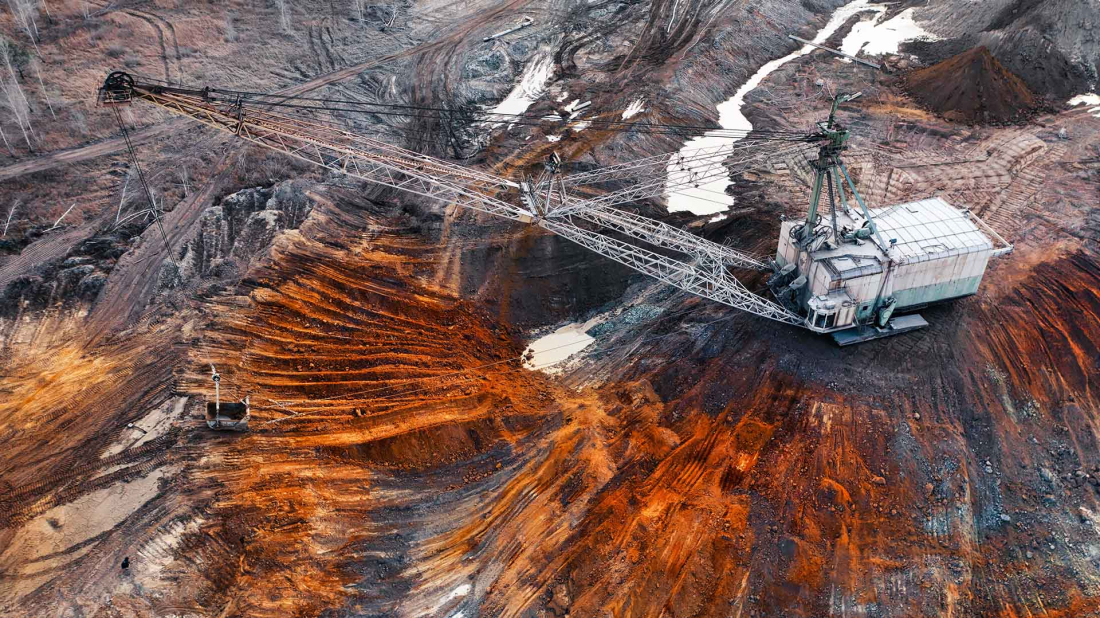
As the world shifts toward clean energy at an ever-accelerating pace, large economies are scrambling to secure reliable supply chains for rare earth minerals. These minerals, once seen as mere industrial components, have become a political tool in the global power struggle
The demand for rare earths is rising worldwide, and resource-rich Central Asian countries are emerging as potential alternatives to traditional suppliers. Leaders in the region are aware of this untapped potential and are actively courting investment. The big question, however, is whether mining these critical resources will lead to economic growth or simply deepen the existing challenges in the region.
According to the Minister of Industry and Construction of Kazakhstan, by the end of 2024, the country's identified reserves of rare earth metals are estimated at 2.6 million tons. At least 15 deposits have already been discovered, and the World Bank estimates that more than 5,000 undiscovered deposits exist in Kazakhstan, valued at over 46 trillion dollars.
Despite these promising figures, vast reserves of rare metals in Central Asia remain largely unexplored. Outdated data and a lack of investment have hindered progress. In Kazakhstan, most of the geological data was gathered during the Soviet period, and exploration costs in 1990 far exceeded the total spent between 2003 and 2023.
In his address to the nation on September 1, 2023, President of Kazakhstan Kassym-Jomart Tokayev underscored that the development of rare and rare earth metal deposits should be a national priority, as these resources have effectively become "the new oil." Tokayev pointed out that by 2040, global demand for critical materials and rare earths would rise fourfold, making this a crucial area for investment.
The strategic value of rare earth metals has extended beyond energy and industry; they have now become geopolitical tools. China currently controls about 36.7% of the world’s known reserves of rare earth metals and accounts for 70.6% of global production. As tensions between Beijing and the West continue to rise, China and Russia, both major players in this market, have already restricted the supply of rare earths to Europe and the United States, which could have an impact on their industries. In response, Western countries are urgently seeking alternative sources of supply, and Central Asia is emerging as a key contender, particularly since there is little to no production in the region at present.
The process of exploration and production of rare earth metals is both complex and expensive. For Kazakhstan and other Central Asian countries, the cost burden is significant, especially considering that plans exist to develop not just one, but dozens of production facilities. This has led the governments in the region to focus more on attracting foreign investment than on developing the industry domestically. At a meeting on March 13, 2023, Kazakh Energy Minister Almasaadam Satkaliyev raised this issue with his U.S. counterpart, Chris Wright, during an energy conference in Houston.
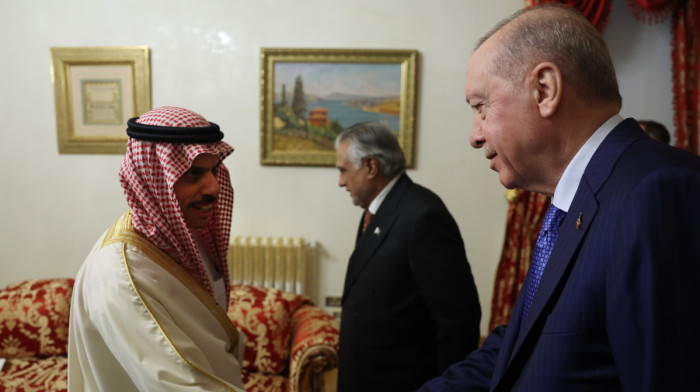
The United States is certainly paying attention. In a statement released on March 12, 2023, earlier, U.S. Secretary of State Antony Blinken and Kazakhstan’s Deputy Prime Minister and Minister of Foreign Affairs, Murat Nurtleu, discussed deepening economic ties in areas like energy, telecommunications, and critical minerals.
The European Union is also actively courting the region. On March 12, European Commissioner for International Partnerships Josef Sikela embarked on a six-day tour of all five Central Asian countries. During his visit, Sikela made it clear that critical minerals would be a major topic of discussion with Central Asian leaders, further underscoring the West's interest in securing alternative supply chains.
Uzbekistan has also stepped into the spotlight. On March 7, the country unveiled a $2.6 billion initiative to expand its raw material base of critical minerals. This investment creates significant opportunities for both the United States and Europe. Among the discoveries in Uzbekistan are deposits of more than 30 rare metals, including tungsten, molybdenum, magnesium, lithium, and titanium.
Adding another layer to this growing interest, Uzbekistan’s Ministry of Geology signed a framework agreement with the French Geological Survey on the eve of President Shavkat Mirziyoyev’s state visit to France on March 12. The agreement focuses on geological and technical research into critical minerals, further solidifying Uzbekistan's role as an emerging player in the global rare earth market.
While Western powers are eyeing Central Asia’s mineral wealth, China and Russia are not far behind. Both countries are also keen to enter these emerging markets, and they hold distinct competitive advantages over the West. During a recent visit to Moscow on March 17, Tajik President Emomali Rahmon met with Russian officials who proposed investment projects in Tajikistan’s energy sector and the extraction of rare earth metals, as reported by the Russian newspaper Nezavisimaya Gazeta.
Historical factors, geography, and regional and cultural characteristics link the Central Asian countries to both Russia and China. However, at the same time, the former Soviet republics are working to define their national identities, and moving away from Russian influence might also align with their strategic interests. The future of critical mineral extraction in the region will depend on what the governments and their international partners prioritize: long-term growth or short-term goals.











What is your opinion on this topic?
Leave the first comment