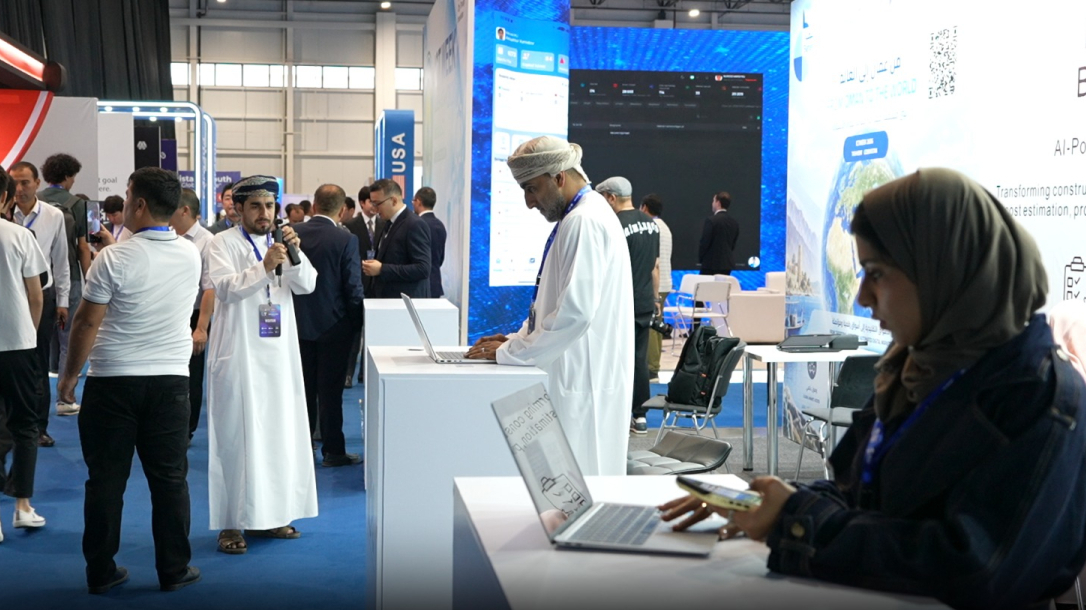
The Persian Gulf is becoming an increasingly important partner for Uzbekistan’s technology sector. ICTWEEK Uzbekistan 2026 shows that interest is not limited to startups: companies from Saudi Arabia, the UAE and Oman are looking at data centres, fintech, cloud services, AI and others.
One of the clearest areas of Persian Gulf interest is digital infrastructure. Saudi Arabia-based DataVolt is developing a 12-megawatt data centre in Tashkent, backed by an initial $150 million investment.
Oman Data Park has also discussed entering the Uzbek market and potentially constructing data centres. The company provides cloud, hosting and data-management services in Oman.
Fintech and digital financial services
Financial technology is another area attracting interest from Persian Gulf companies.
Saudi technology and investment groups have discussed fintech opportunities in Uzbekistan, while UAE-based DIFC Innovation Hub has been working with Uzbek startups on access to the UAE and Saudi markets.
Xpence, a MENA-focused digital banking platform is operating in the UAE, Saudi Arabia, Bahrain and Uzbekistan. The company has discussed establishing a larger local operation and building an export-oriented fintech team in Uzbekistan.
The opportunity works in both directions: Persian Gulf companies can use Uzbekistan as a base for regional operations, while Uzbek technology companies can use Persian Gulf markets as a route for expansion.
AI, cybersecurity and enterprise technology
Artificial intelligence (AI) and cybersecurity are also emerging as areas of cooperation. During a 2026 Saudi-Uzbekistan technology event, companies and investors discussed attracting Saudi IT companies to Uzbekistan, engaging Saudi venture funds and developing partnerships in AI, automation and digital platforms.
A separate Saudi delegation also discussed cooperation with NEOM, including potential research and development (R&D) teams and software development units in Uzbekistan. The talks focused on advanced technologies including AI, robotics and smart mobility.
Gaming and creative industries
Saudi Arabia’s Savvy Games Group has expressed interest in Uzbekistan’s gaming industry and planned to explore cooperation with local studios and Uzbek developers. Saudi investment authorities have also discussed partnerships in gaming and creative industries.
Why Uzbekistan?
For Persian Gulf technology companies, Uzbekistan offers access to a large Central Asian market and a growing pool of IT specialists. IT Park says 16 fully Gulf-owned companies have already established a presence in Uzbekistan, while 75 Uzbek companies are providing digital services to the UAE, Saudi Arabia, Bahrain, Oman, Qatar and Kuwait.
The country is also trying to make market entry easier. IT Park operates a representative office in Riyadh that provides support with local business development, partnerships, marketing and contracting for Uzbek companies entering Saudi Arabia.
At the same time, Uzbekistan is seeking Persian Gulf investment into its own technology market. The Middle East Tech Summit at ICTWEEK focused specifically on investment in Uzbek IT and digital infrastructure, market entry for Middle Eastern companies into Central Asia and opportunities for Uzbek startups and IT-service companies in GCC markets.
The result is a two-way market: Persian Gulf investors and technology companies are looking at Uzbekistan as a potential base for operations and investment, while Uzbek companies are increasingly looking towards the Persian Gulf for customers, capital and partnerships.
Read more:





















What is your opinion on this topic?
Leave the first comment