Kyrgyzstan is in talks with Russia over monthly supplies of 100,000 tonnes of petroleum products as Ukrainian drone strikes on Russian oil refineries continue to disrupt fuel exports, forcing the Central Asian country to seek alternative sources.
The proposed deliveries would be supplied at market prices, First Deputy Prime Minister Daniyar Amangeldiev said. A Kyrgyz government delegation is currently in Russia for the negotiations.
“Despite its own domestic challenges, Russia has expressed its willingness to support us wherever possible,” Amangeldiev said.
Heavy reliance on Russia
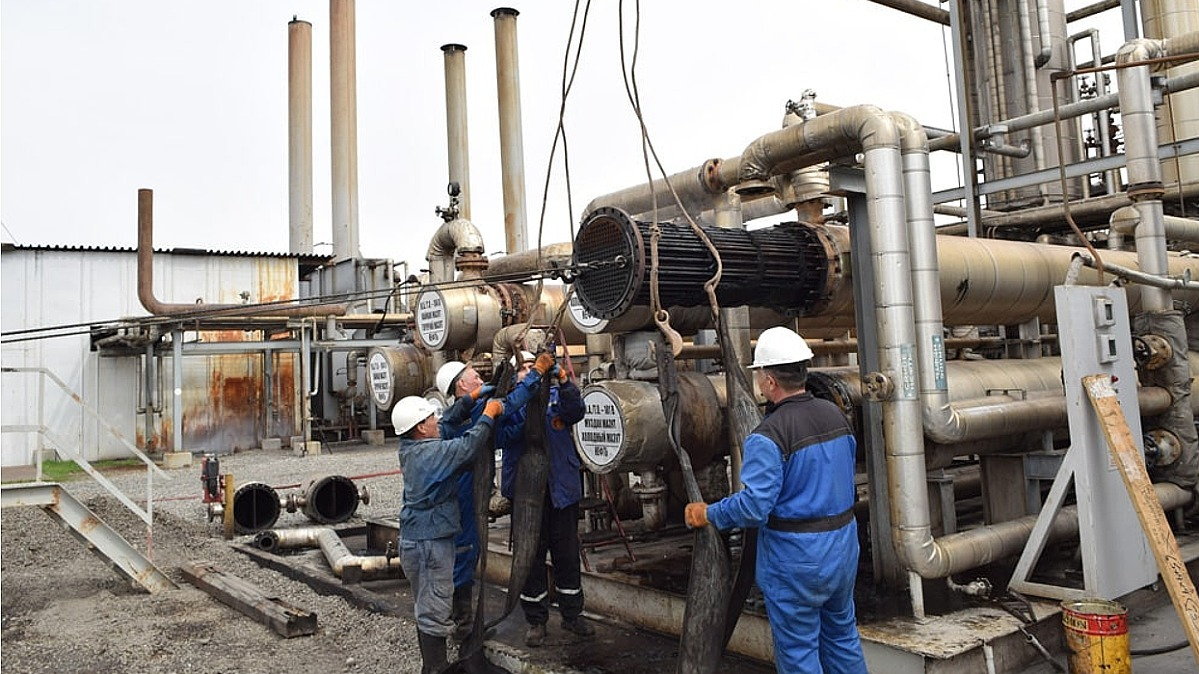
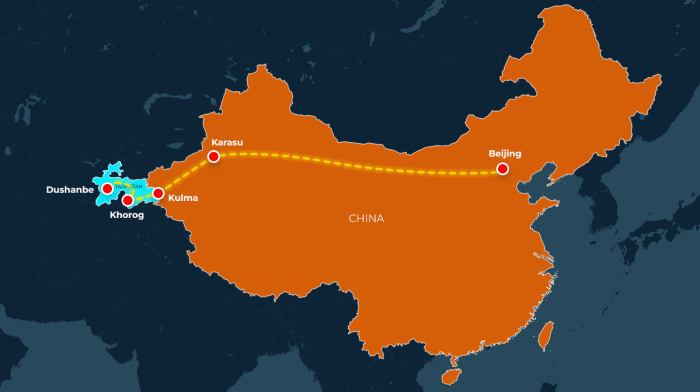
Kyrgyzstan imports more than 90 per cent of its petrol from Russia and has been looking to diversify supplies after production cuts at Russian refineries reduced export volumes. Alongside the talks with Moscow, the government has signed contracts to import diesel and aviation fuel from Belarus and China and has requested additional shipments from neighbouring countries.
In July, Bishkek imposed an indefinite ban on petroleum product exports to secure domestic fuel supplies. Amangeldiev said the government’s priority is to ensure the market remains adequately supplied through to the end of the year, although retail prices will depend on global market conditions and the terms of future supply contracts.
“If there is any source in the world where fuel can be obtained, we will certainly purchase it regardless of the price. The market will be supplied with petroleum products,” he said.
Ukraine war impacting Russian fuel
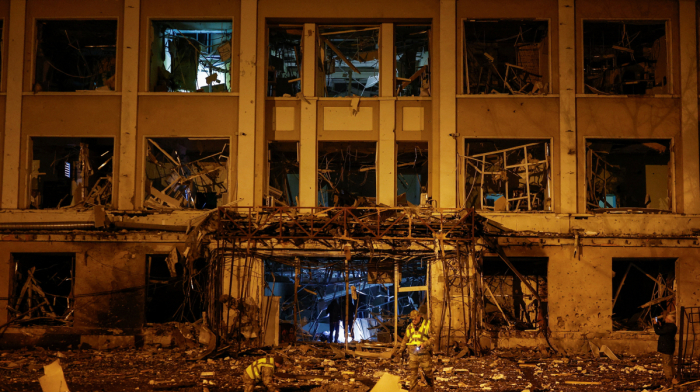
Russia has faced fuel shortages since late May after Ukrainian drone strikes forced production cuts at several oil refineries. According to Amangeldiev, the situation has been further exacerbated by geopolitical tensions and developments in the Middle East, pushing up fuel procurement costs.
Import costs have risen sharply in recent months. Amangeldiev said petrol cost around $860 per tonne when the government’s support mechanism was introduced, while some recent contracts have reached about $1,400 per tonne. He said the increase reflected supply shortages rather than normal market conditions.
To ensure fuel traders continue importing petroleum products despite rising costs, the government has introduced a compensation mechanism financed through the state budget. Authorities verify the purchase price of every shipment, assess transport costs and determine an allowable profit margin before reimbursing part of suppliers’ expenses.
The scheme primarily applies to AI-92 petrol and diesel, which are eligible for government price support. AI-95 petrol remains market-priced because it is not classified as an essential commodity, although its retail price continues to be monitored by the country’s anti-monopoly authority.










What is your opinion on this topic?
Leave the first comment