Belarus has two big refineries, but is it secretly serving as a back door for Russian oil? We dig into EU sanctions, shipment data and refinery trends to get a clear picture.
When the European Union rolled out its embargoes on Russian crude oil in December 2022 and refined petroleum products in February 2023, policy experts in Brussels knew they were starting a cat-and-mouse game.
The core rule of the sanctions architecture was supposed to be simple: direct imports of Russian-origin fuel into the EU were banned. But Western regulators left a deliberate, gaping loophole - Fuel processed in third countries from Russian crude could still slip in.
Only in January 2026 did Brussels plug that gap with the EU’s 18th sanctions package, which now bars all refined products made from Russian-origin oil. Importers must show proof the crude wasn’t from Russia.
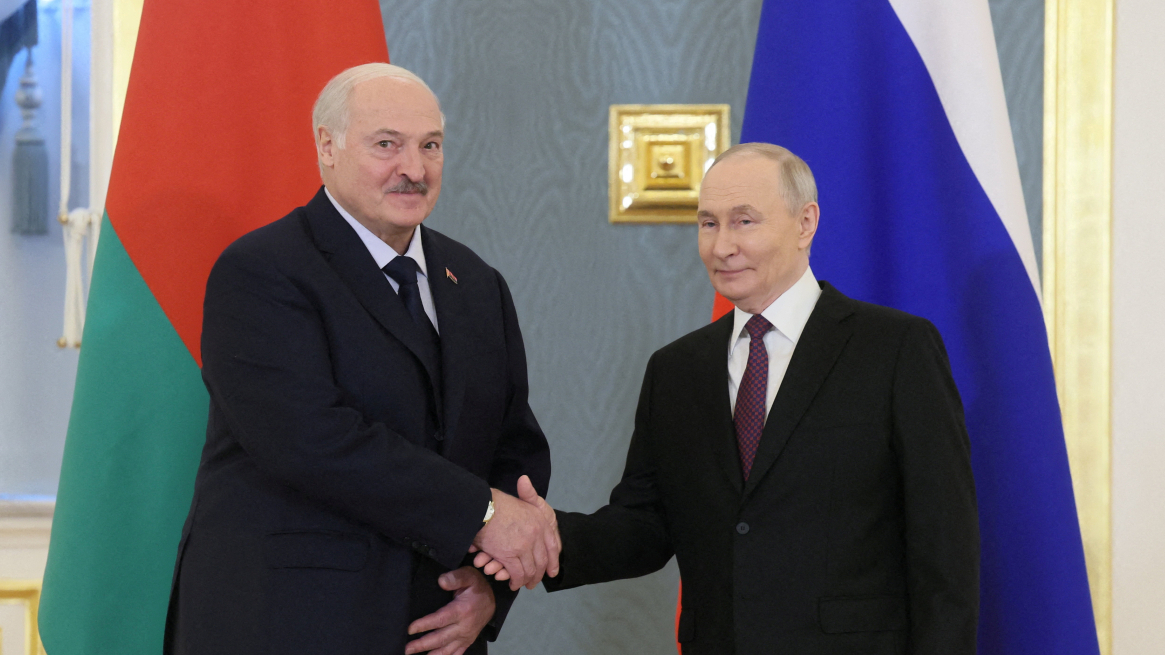
However, these sanctions on Russia immediately turned eyes toward Moscow’s closest neighbour and treaty partner, Belarus, whose massive state-owned refineries seemed custom-built to act as a seamless sanctions-laundering machine.
A Surprise Reversal: Fueling the fueler
Energy analysts at the Carnegie Endowment and the Kyiv School of Economics (KSE Institute) quickly discovered that the expected tidal wave of laundered fuel flowing west through Belarus didn't materialise as predicted. Instead, an unexpected role reversal took hold.
Belarus has two primary, Soviet-era refining giants, the Mozyr Oil Refinery and Naftan in Novopolotsk, with a combined processing capacity of roughly 24 million metric tons per year.
Historically, Minsk bought discounted Russian crude, refined it and exported high-margin finished products to Europe or Ukraine.
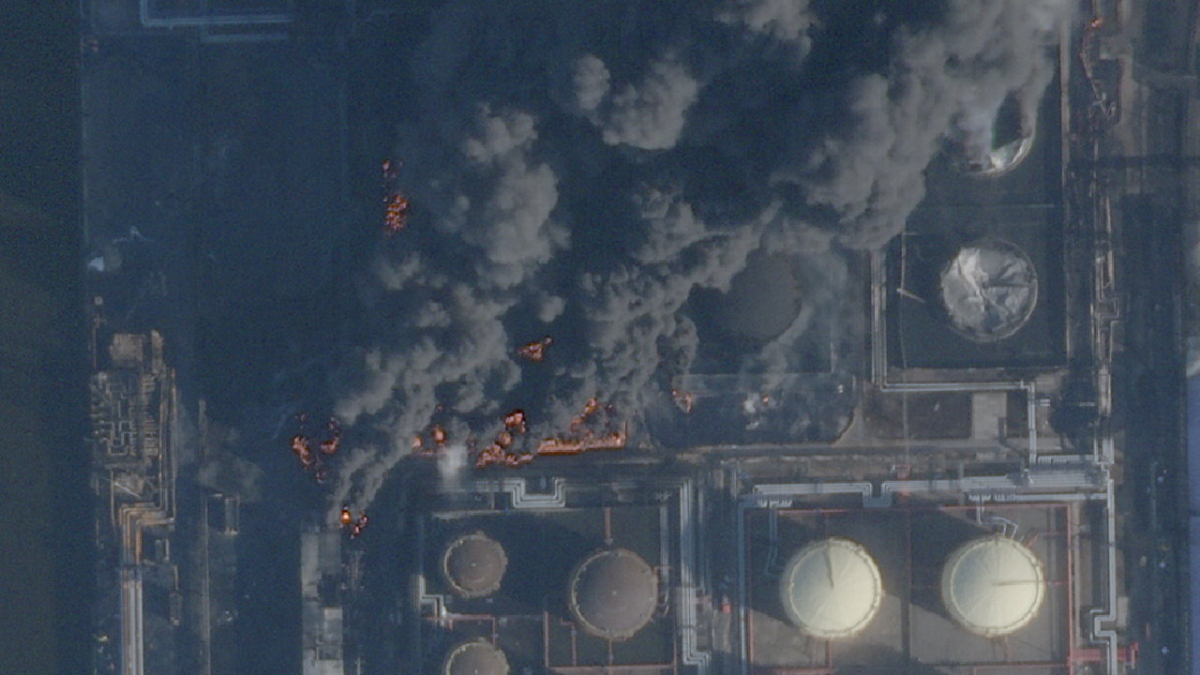
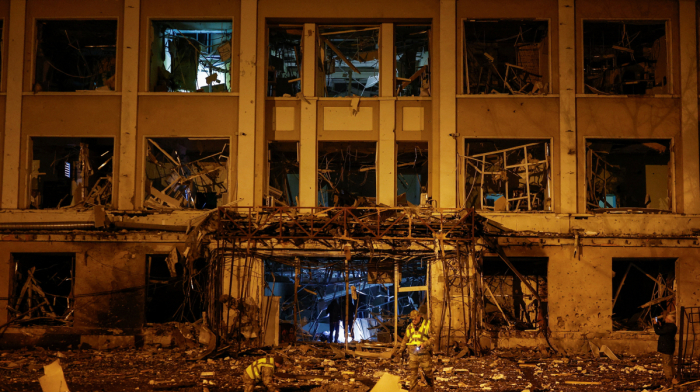
But when Ukrainian long-range drone strikes began systematically battering Russian domestic refineries, knocking out a significant part of Moscow’s domestic processing capacity, the Kremlin faced an acute home-front fuel shortage. Rather than Belarus serving as Russia’s back door to push excess fuel into Western markets, Russia turned to Belarus to prop up its own domestic pumps.
Reuters reporting and trade data showed Russian imports of Belarusian gasoline surging drastically to stave off domestic supply crunches and keep Russian drivers and military logistics supplied.
Insight from rail cars and Baltic corridors
Looking at concrete shipping and rail data reveals just how volatile and unusual these trade flows have become.
Because Minsk stopped publishing detailed customs statistics shortly after the invasion of Ukraine, researchers at organisations like CREA (Centre for Research on Energy and Clean Air) and S&P Global Commodity Insights have had to piece together the picture through Russian rail manifests, vessel tracking, and mirror trade statistics.
The data shows rail shipments of Belarusian refined products moving heavily east into Russia or south-east toward Russian Baltic ports like Ust-Luga and St. Petersburg.
Under long-term intergovernmental agreements, Belarus has routed millions of tons of its refined products through Russian port infrastructure to reach buyers in Asia, Africa, and the Middle East, completely bypassing Western borders.
Month-to-month volumes fluctuate wildly depending on Russian domestic needs and Baltic port availability, but the key point here isn't Belarusian fuel sneaking across Polish or Lithuanian land borders; rather, the fact that it is being fed directly into Russia's domestic supply.
How Belarus compares with Türkiye, India, Kazakhstan and the UAE
To understand Belarus’s true role in global fuel circumvention, you have to look at the broader landscape of trade rerouting. Compared to heavyweights like Türkiye, India, the UAE, or Kazakhstan, Belarus operates on a fundamentally different scale and under far stiffer operational constraints.
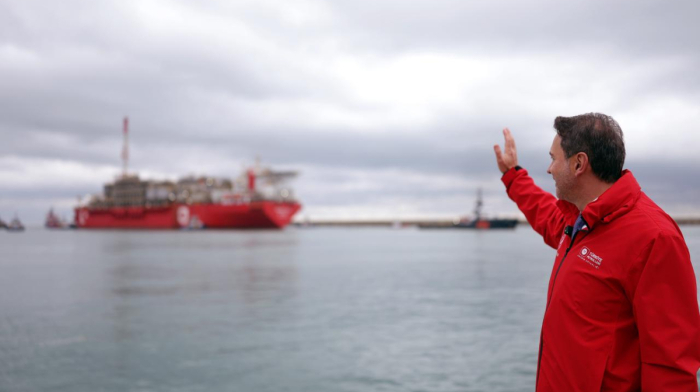
India and Türkiye have imported record volumes of discounted Russian crude, processed it in their mega-refineries, and legally exported billions of dollars of diesel and jet fuel directly into European ports, a practice fully compliant with the letter of EU sanctions.
Research from Carnegie Endowment for International Peace and Bruegel highlights that while Türkiye and India serve as massive legal "refining hubs" for Western markets, Belarus faces sweeping, direct Western sanctions on its own energy sector, severely restricting its ability to transact with Western buyers or obtain international shipping insurance.
Where evidence of Belarusian fuel slipping into third-party markets exists, the data is far thinner, harder to verify, and constrained by heavy border militarisation along its Western frontier.
Loophole, lifeline or both?
The evidence points to “lifeline” far more than “loophole.”
Belarus is not, on current data, a major conduit for Russian fuel into Europe. The volumes are too small, the direction of flow is mostly inward to Russia, and the EU’s new refining ban is aimed at India and Türkiye, not Minsk.
Belarus is doing is propping up Russia’s domestic market at a moment when Ukrainian strikes have crippled Russian refining capacity. The toll-refining arrangement is Russian crude in, Belarusian fuel out, some of it returned to Russia.
This is a form of economic integration that deepens Belarus’s dependency on Moscow and gives Russia a hedge against refinery outages. That is strategically significant, but it is not the same as sanctions circumvention.
As of now, the data does not support that narrative. The more accurate framing is that Belarus is a safety valve for Russia’s domestic fuel crisis, not a back door into Europe.















What is your opinion on this topic?
Leave the first comment