Kyrgyzstan has introduced an indefinite ban on the export of crude oil and petroleum products by road and rail in an effort to prevent fuel shortages and strengthen the country's energy security.
The decision, approved by the Cabinet of Ministers, removes the previous expiry date for the export restrictions, meaning the measures will remain in force until the domestic fuel market is fully supplied or a common oil and petroleum products market is established within the Eurasian Economic Union (EAEU).
The ban covers crude oil, petrol, diesel and other petroleum products. However, exemptions remain for naphtha, fuel oil and heating oil, which may be exported with special government approval for processing abroad, provided the refined products are returned to Kyrgyzstan. Fuel contained in the standard tanks of vehicles crossing the border is also exempt.
At the same time, the government has extended until 1 April 2027 an exemption allowing the import of certain petroleum products by road, with the aim of ensuring continued fuel supplies while domestic shortages persist.
Responding to supply challenges
Officials said the measures are designed to stabilise the domestic fuel market, prevent shortages and guarantee uninterrupted supplies for households and businesses.
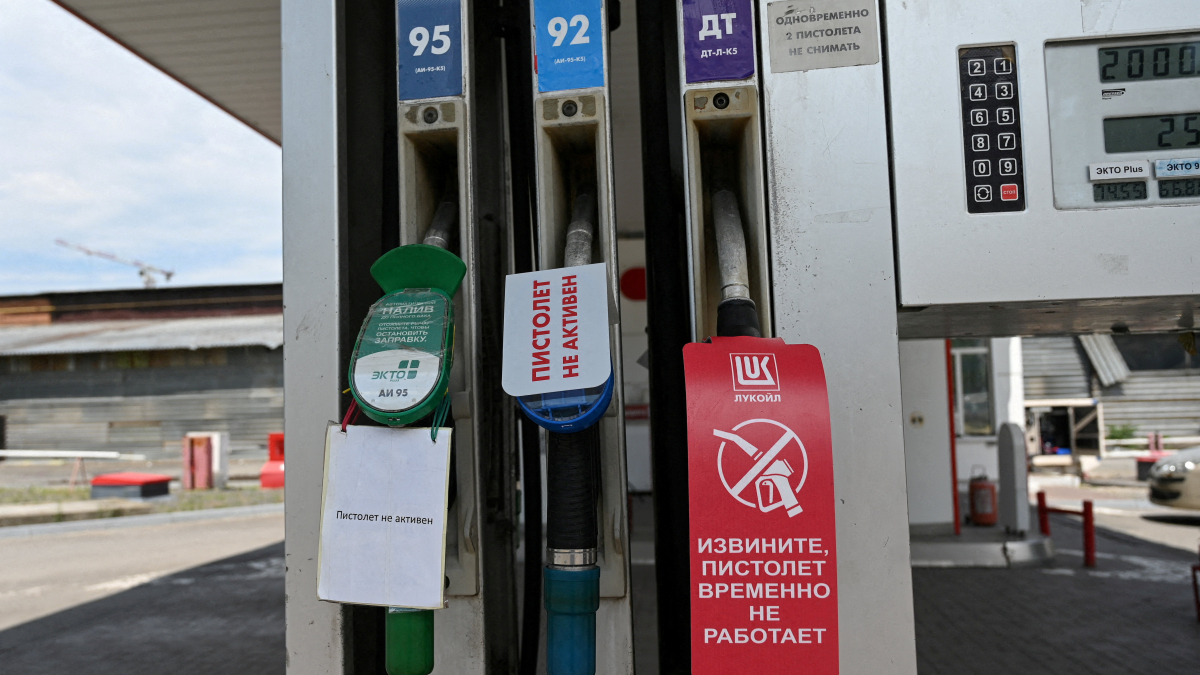
The move comes as Kyrgyzstan faces disruptions to fuel imports. Russia, the country's main supplier of petroleum products, previously introduced temporary restrictions on petrol and fuel exports, forcing Bishkek to seek alternative sources.
In response, the government has introduced fuel import subsidies, temporary price controls and tax incentives for importers, while also working to diversify supply chains and expand domestic refining capacity.
Seeking new suppliers
Kyrgyzstan has also appealed to several regional partners, including Russia, Kazakhstan, Belarus, Azerbaijan, Uzbekistan and Turkmenistan, to help secure additional fuel supplies and stabilise the domestic market.
Authorities said negotiations on alternative imports are continuing alongside efforts to increase local production, as the country seeks to reduce its dependence on a single supplier and improve its long-term energy resilience.
The export restrictions are expected to remain in place until domestic fuel availability improves or broader integration within the EAEU enables the establishment of a unified regional oil market.


















What is your opinion on this topic?
Leave the first comment