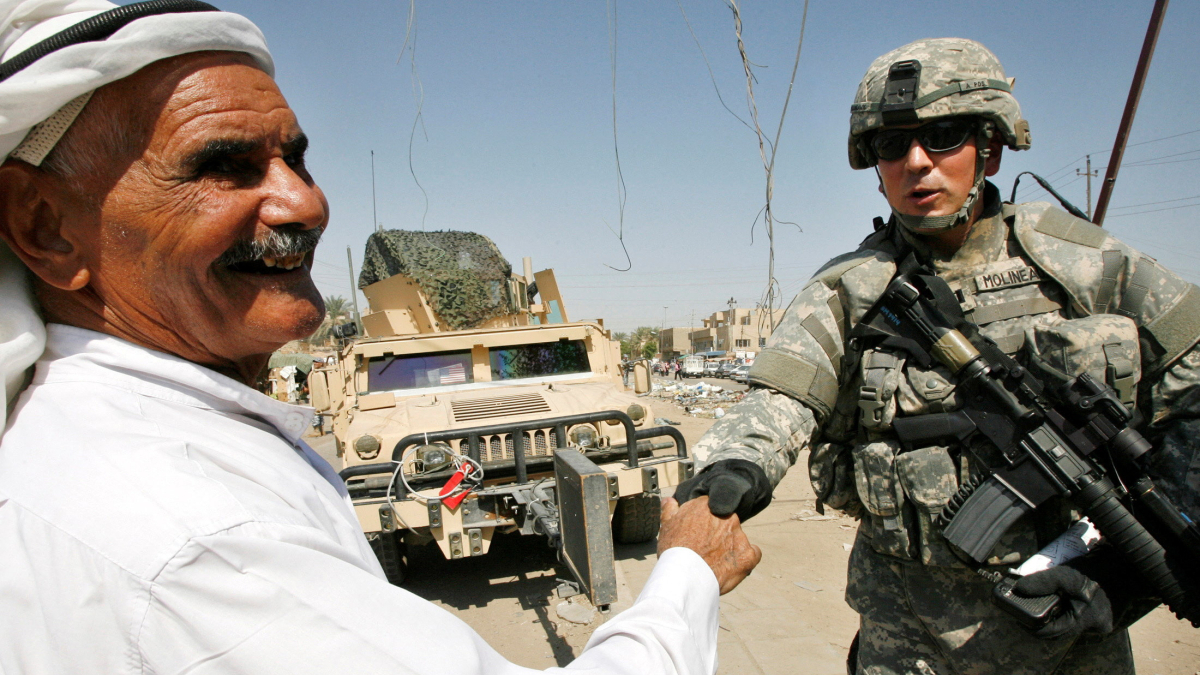
At midnight on 30 September, the last U.S. troops are due to leave Iraq, ending a military presence that began with the 2003 invasion and cost the lives of around 4,500 American service members.
A few hundred U.S. troops are believed to remain in Iraq, mostly in the Kurdistan Region, and are expected to leave by the deadline. The U.S. previously maintained around 2,500 troops in the country, but most have already withdrawn.
The withdrawal, agreed under former President Joe Biden and completed under President Donald Trump, closes a major chapter in Iraq's modern history. Iraqi officials, analysts and regional actors are now debating what comes next.
The question is no longer whether U.S. forces will leave, but what kind of Iraq will emerge after they do.
Analysts are divided.
Some see an opportunity for Iraq to normalise relations with Washington and strengthen its sovereignty. Others fear a repeat of events after the 2011 withdrawal, when U.S. forces left but returned less than three years later as Islamic State seized large parts of the country.
U.S. troops withdrew at the end of 2011 and returned in 2014 to help Iraqi forces fight IS.
Here are five scenarios that analysts say could shape Iraq's future.
1. Iran and its allies could gain greater influence
One of the most widely cited possibilities is a regional power shift in Iran's favour.
According to Iraqi security analyst Jasim al-Bahadli, quoted by Reuters, the U.S.-led coalition has long served as a counterweight to Tehran's influence. Without that presence, Iran-aligned armed groups could seek a greater role in security and political decision-making.
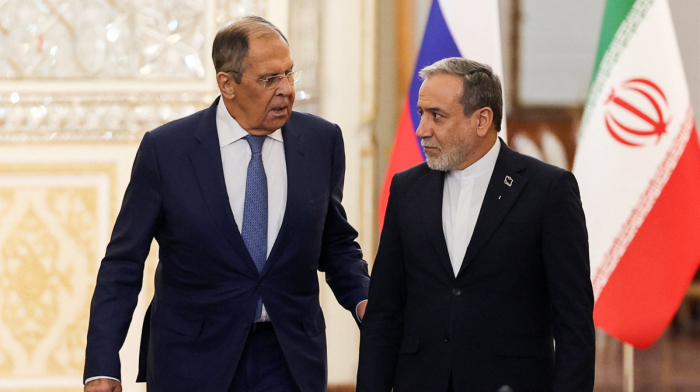
Iran-backed factions are already describing the withdrawal as a victory. Reuters reported that Abu Mojtaba al-Yasiri of the Islamic Resistance in Iraq called it a “historic victory” and a defeat for what he described as the American project in Iraq. Iran's parliament has also publicly welcomed the move.
The concerns go beyond rhetoric. RAND Corporation's assessment of withdrawal scenarios concluded that full disengagement would significantly weaken efforts to balance Iranian influence. RAND argued that such an outcome would effectively leave the counter-IS mission largely in the hands of Iraq and Iran.
The New Lines Institute has similarly warned that Iran-aligned militias could fill capability gaps left by coalition forces, while Forbes, citing analyst Lawk Ghafuri, said Iraq could become “the engine that powers Iran's resurgence.”
Iraq's government insists it is working to limit militia influence, but the period after the withdrawal will provide a major test of those efforts.
2. Islamic State may attempt a comeback
Another key concern is whether Islamic State could exploit the departure.
The group's territorial “caliphate” was destroyed years ago, but analysts say its networks have not disappeared entirely.Reuters reported in 2025 that Islamic State claimed 61 attacks in Iraq during 2024 and had been reactivating sleeper cells.
Kurdish commander Sirwan Barzani told Reuters that reports of the coalition withdrawal had already boosted IS morale. He said Kurdish officials had observed increased sleeper-cell activity and warned that losing U.S. intelligence, surveillance and logistical support could give militants opportunities to regroup.
Several research organisations have raised similar concerns. RAND assessed the impact of a complete withdrawal on the anti-IS mission as “very high”. The New Lines Institute warned that attacks by the group across Iraq and Syria could increase significantly.
The Washington Institute for Near East Policy has cautioned against repeating the cycle of “deploy, withdraw, rush back” that followed the previous U.S. departure, while the Center for Strategic and International Studies (CSIS) has argued that Iraqi forces still face significant capability gaps and that U.S. forces have played an important stabilising role.
There are differing assessments. Forbes reported that analyst Joel Wing believes Islamic State is now largely spent inside Iraq, although other security experts remain more cautious.
3. Baghdad and the Kurdish region face a new test
The departure of U.S. forces could also test relations between Baghdad and the Kurdistan Regional Government.
The Washington Institute identified several possible futures, ranging from a complete withdrawal to a limited U.S. presence concentrated in Iraqi Kurdistan, or a broader shift towards economic engagement rather than a military presence.
Forbes reported that Iraqi Kurdistan could be the most likely location for any residual U.S. footprint, while The New Arab has warned that longstanding tensions between Erbil and Baghdad could deepen after coalition forces leave.
The security transition has already begun. Anadolu Agency reported that coalition partners, including Germany, have been handing over facilities, while a new post-withdrawal committee has been established to coordinate intelligence-sharing and defence cooperation.
How effectively those arrangements work could prove crucial to maintaining security coordination after the withdrawal.
4. Economic and geopolitical repercussions could follow
The potential repercussions extend beyond security.
Several analysts argue that the withdrawal could affect Iraq's economic position and its broader relationship with international partners.
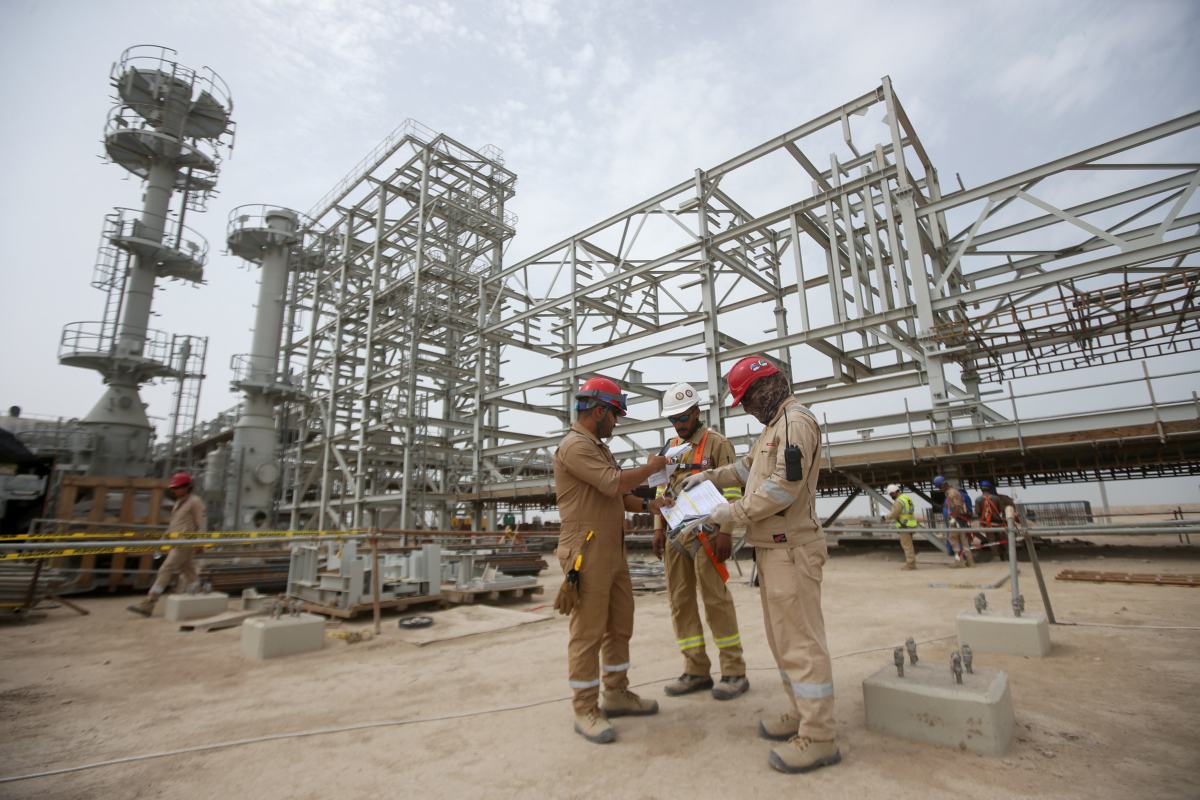
The Washington Institute previously warned that disputes involving sanctions or financial arrangements could place pressure on Iraq's economy, including its access to U.S. dollar-based financial systems. The New Arab has also highlighted concerns over possible future restrictions affecting trade and energy exports.
The withdrawal could have wider geopolitical consequences as well. The NESA Center argued that an early or poorly managed departure could signal diminishing U.S. willingness to sustain overseas security commitments, a development it said could benefit China and Russia.
Critics of the withdrawal see the move as a potential loss of U.S. influence, while supporters regard it as a necessary shift in Washington's priorities.
5. Iraq could successfully stand on its own
There is also a scenario in which Iraq manages the transition successfully.
Think tanks such as Defense Priorities argue that some concerns surrounding the withdrawal are overstated. Its analysts say Iraqi security forces are considerably more capable than they were a decade ago, while Islamic State no longer has anything approaching its former territorial strength.
Defense Priorities also argues that removing U.S. forces could reduce a major source of friction between Washington and Iran-backed groups and open new diplomatic opportunities.
The Quincy Institute has similarly advocated a phased transition towards a more normal bilateral relationship centred on diplomacy, trade and economic cooperation rather than military operations.
Iraqi leaders have also made the case for a transition away from foreign military involvement. According to Anadolu Agency, former Prime Minister Mohammed Shia al-Sudani argued that the departure of U.S. troops would remove the justification for armed “resistance” movements targeting foreign forces.
Even some supporters of greater Iraqi sovereignty, however, have questioned whether the country is ready for the transition. Reuters quoted Sunni tribal leader Abdulrahman al-Zobaie, who said Iraq remains unprepared to fully manage the security environment on its own and warned of a dangerous vacuum emerging in the short term.
What experts will be watching
The next six to 12 months could provide a clearer picture of which of these scenarios, if any, comes closest to reality.
Analysts will be watching three issues in particular:
- Whether Islamic State increases its attacks after the withdrawal.
- How much influence Iran-aligned groups gain within Iraq's political and security structures.
- Whether the United States maintains a limited presence or deeper cooperation through Kurdistan and other arrangements.
The departure of the final U.S. troops will mark the end of one chapter, but it will not by itself determine what follows. The bigger question is how Iraqi institutions, regional powers and international partners respond once the military withdrawal is complete.















What is your opinion on this topic?
Leave the first comment