Iran launches fresh wave of attacks on U.S. bases in Gulf
The U.S. military said it completed a sixth consecutive night of strikes on Iran late on Thursday, targeting logistics infrastructure and maritime ca...
Uzbekistan and Türkiye have agreed to expand the range of products eligible for preferential tariff treatment, signing a protocol that adds eight new tariff lines to their Preferential Trade Agreement (PTA). The move increases the total number of covered product categories from 12 to 20.
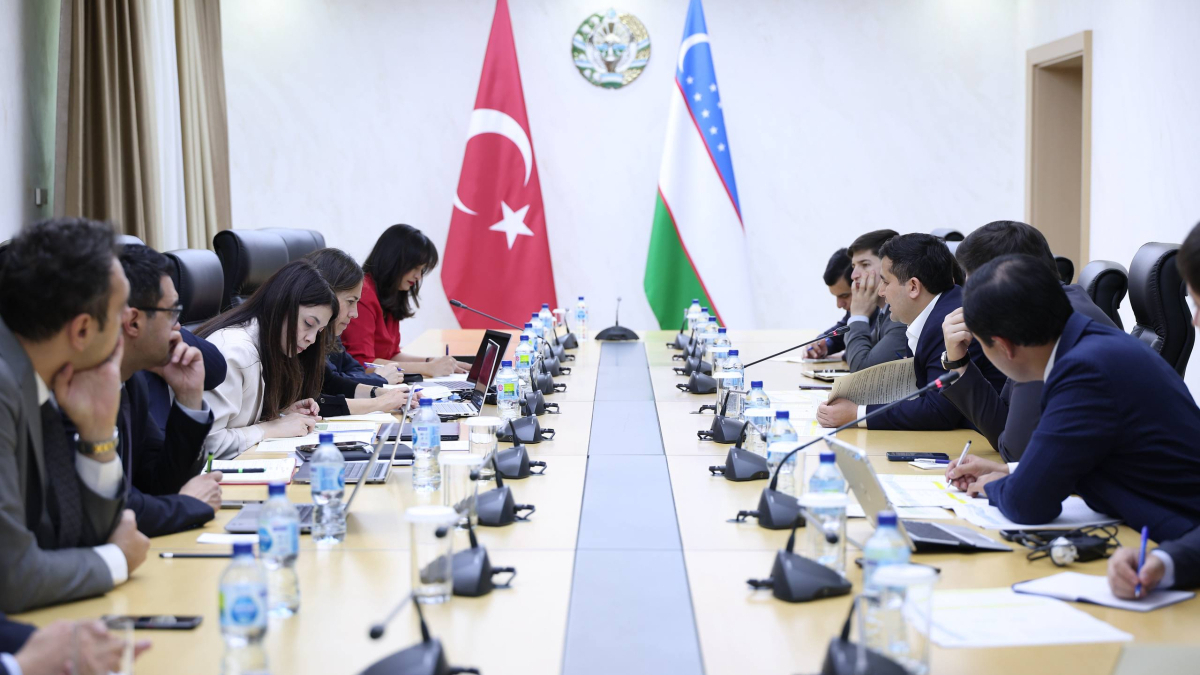
The protocol was signed following a meeting of the Uzbekistan–Türkiye Joint Working Group on the PTA, co-chaired by Uzbekistan's Deputy Minister of Investment, Industry and Trade, Akram Aliyev, and Türkiye's Deputy Trade Minister, Mustafa Tuzcu.
Although officials have not yet disclosed the newly added product categories, both governments said the additional tariff lines were selected based on the structure of bilateral imports and exports, with different preferential duty rates applying to different products.
The two sides also agreed to continue negotiations on further expanding the agreement on a reciprocal basis.
When the PTA entered into force in July 2023, it granted tariff preferences for 12 product categories from each country.
Uzbekistan's exports covered by the agreement are largely agricultural products, including vegetables, fresh and dried fruit, raisins, dried apricots, peaches, beans, almonds, walnuts and peanuts.
Türkiye, meanwhile, received preferential access for a range of industrial goods, including electrical transformers, inductors, electrical connectors and conductors, steel pipes, rolled iron and steel products, and centrifugal pumps.
The agreement reflects the complementary nature of bilateral trade, with Uzbekistan exporting agricultural commodities while importing industrial equipment and manufacturing inputs from Türkiye.
The Ministry of Investment, Industry and Trade said the expanded agreement is expected to boost bilateral trade and increase export and import volumes, supporting the goal set by the leaders of both countries to raise annual trade turnover to $5 billion.
Expanding the list of products eligible for preferential tariffs has been identified as one of the main tools for achieving that target.

U.S. President Donald Trump announced the reimposition of a U.S. naval blockade on all Iranian ports and warned that power plants and bridges could be targeted next week unless Tehran returns to negotiations.
The U.S. military announced that it has completed a new wave of strikes against Iranian military targets under U.S. President Donald Trump's orders. The operation targeted command centres, air defence systems, missile and drone facilities, and coastal surveillance sites across multiple locations.
The half-time interval during the 2026 FIFA World Cup final is expected to be extended to around 30 minutes to accommodate the tournament’s first-ever major half-time concert.
Nineteen years ago, at Barcelona's Camp Nou, Lionel Messi posed for a charity photo shoot with a five-month-old baby he had never met. On Sunday, that baby, Lamine Yamal, will face Messi in the 2026 FIFA World Cup final as Spain take on Argentina. A full-circle football story.
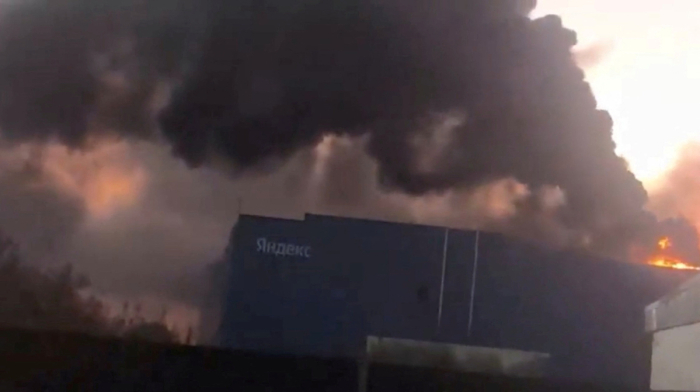
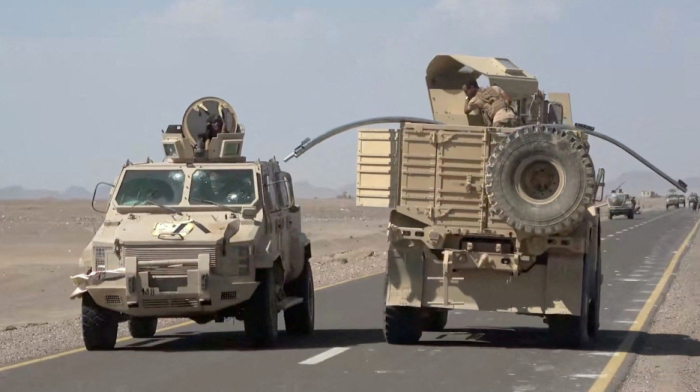
The U.S. military said it completed a sixth consecutive night of strikes on Iran late on Thursday, targeting logistics infrastructure and maritime capabilities. Iran responded by launching strikes at U.S. bases in neighbouring countries.
Aid organisations in Afghanistan are struggling to keep women in work as Taliban restrictions force them to spend more on male guardians, transport and separate workplaces, a June 2026 survey has found.
Uzbekistan and Italy's Tuscany region have agreed to expand cooperation in trade, investment, education and culture following talks between President Shavkat Mirziyoyev and Tuscany Governor Eugenio Giani in Tashkent.
Iran struck eastern Syria on Friday, Iranian state media and a Syrian military source said, in the first known attack by Tehran on Syrian territory since a regional war erupted earlier this year.
Disruptions to shipping through the Gulf are creating an unexpected opportunity for Pakistan, as conflict around the Strait of Hormuz prompts vessels to divert cargo to Karachi, reshaping regional maritime trade.
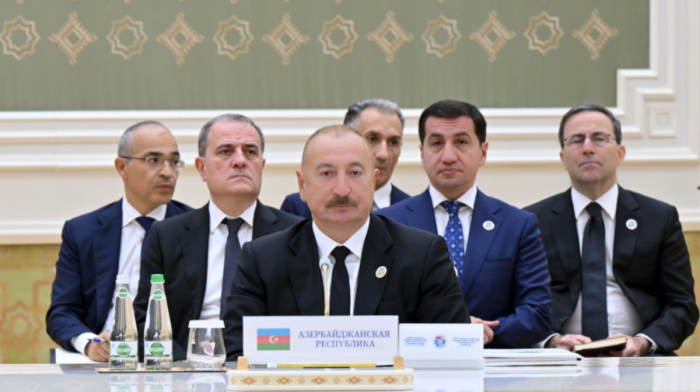
Russia and Azerbaijan have declared their bilateral relationship fully normalised after talks between Russian Foreign Minister Sergey Lavrov and Azerbaijani Foreign Minister Jeyhun Bayramov in Moscow. Both sides said they had "turned the page" on recent tensions and agreed to deepen cooperation.
You can download the AnewZ application from Play Store and the App Store.
What is your opinion on this topic?
Leave the first comment