This is the first of four articles in AnewZ's series examining how conservationists are working to protect and repair damage done to the Aral Sea which lies between Uzbekistan and Kazakhstan.
Hidden deep within the Kyzylkum Desert, the 15th largest desert in the world, lies one of Uzbekistan's most important wildlife sanctuaries, Dengizkul Lake.
Despite its highly saline waters and remote location near the Turkmenistan border, it has become a critical refuge for migratory birds travelling thousands of kilometres across continents.
A wetland of international importance
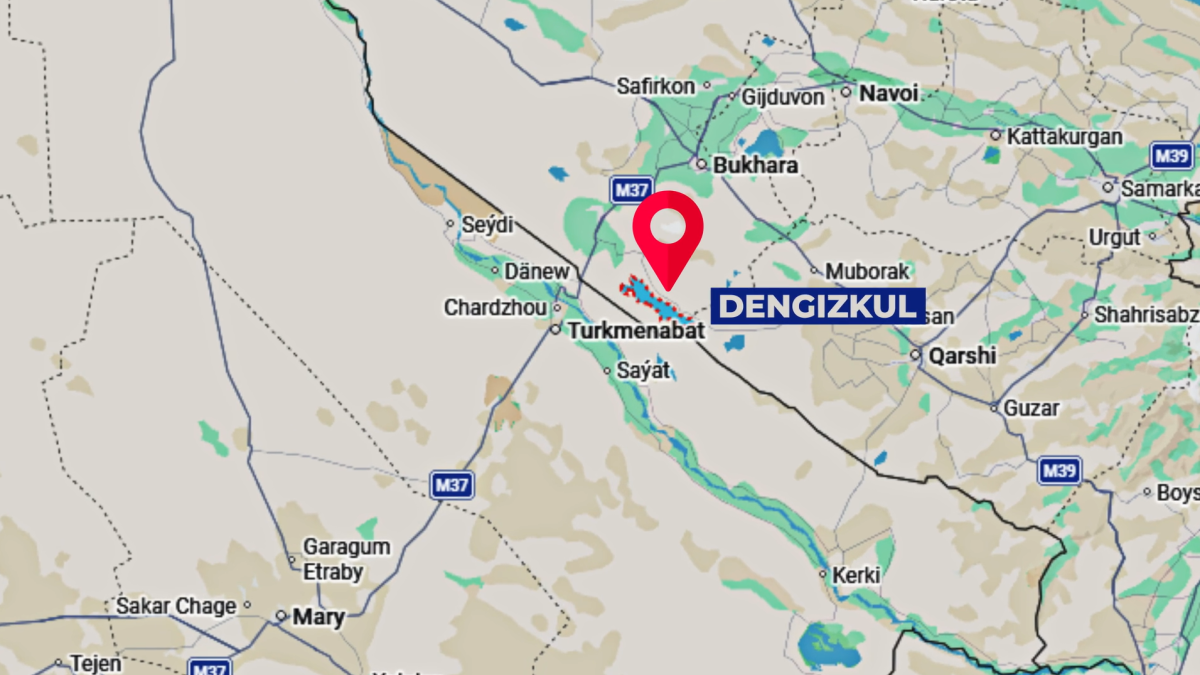
Located around 75 kilometres southwest of Bukhara, Dengizkul covers as much as 50,000 hectares during periods of high water, making it one of Uzbekistan's largest wetland ecosystems.
Recognising its ecological significance, Uzbekistan designated the area as a state ornithological reserve to protect migratory and waterbird populations. In 2001, Dengizkul became one of the country's first wetlands to receive international protection under the Ramsar Convention on Wetlands of International Importance.
“Lake Dengizkul is internationally important because it provides a habitat and protection for migratory and wetland birds,” said Khalilulla Sherimbetov, Candidate of Technical Sciences and Honoured Irrigator of the Republic of Karakalpakstan.
“These birds spend the winter here, rest for a while, and then continue their migration. Around 40 per cent of all wintering waterbirds in Uzbekistan are concentrated at Dengizkul.”
Life in one of Central Asia's harshest environments
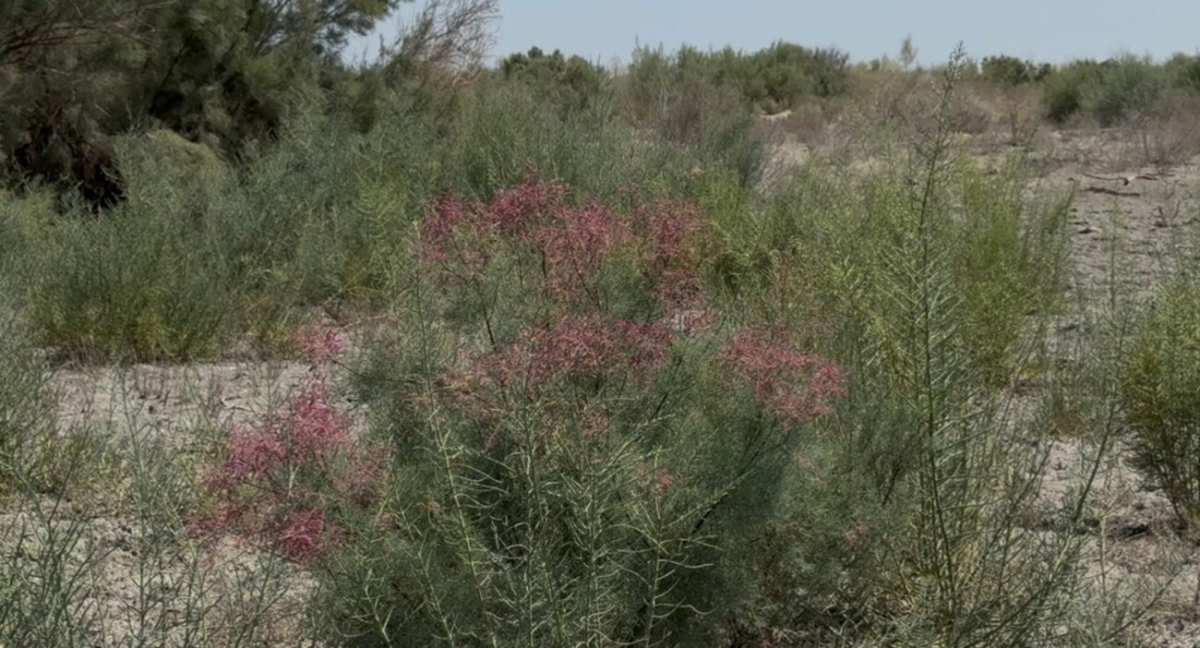
Surrounded by the arid landscapes of the Kyzylkum Desert, Dengizkul presents an unusual ecosystem. Salt-tolerant vegetation such as saxaul, tamarisk and wormwood surrounds the lake, while its waters contain nearly 27 grammes of dissolved salts per litre.
Unlike many natural lakes, Dengizkul was formed through the discharge of collector-drainage waters from irrigated agricultural lands. Today, it continues to depend largely on collector-drainage and filtration waters rather than natural river inflows.
Its size changes throughout the year as inflows fluctuate, meaning the shoreline is constantly shifting with seasonal conditions.
Maintaining a fragile balance
Although the lake continues to support rich biodiversity, experts warn that maintaining its water balance has become increasingly difficult.
According to Sherimbetov, evaporation now exceeds the volume of water entering the lake through the Hamza collector system, gradually lowering water levels and increasing salinity.
“The main challenge today is maintaining the lake's water balance,” he explained.
“Water inflow is lower than evaporation rates, causing water levels to decline while salinity increases. Water management authorities are working to identify additional water sources and explore opportunities to supply more freshwater to the ecosystem.”
He added that specialists have already developed a dedicated concept aimed at securing environmental water supplies needed to preserve the lake.
Protecting a vital stop on a global migration route
For millions of birds travelling between breeding and wintering grounds across Eurasia, wetlands like Dengizkul are essential places to feed, rest and survive.
Conservationists say protecting these ecosystems has become increasingly important as climate change, desertification and growing pressure on water resources continue to reshape Central Asia's landscapes.
Reporting and sourcing
The visit to the protected wetland was organised as part of the Aral Sea Wetlands project, implemented by Uzbekistan's National Committee on Ecology and Climate Change in partnership with the United Nations Development Programme and the Global Environment Facility.
Read more from this series:


















What is your opinion on this topic?
Leave the first comment