This is the second of four articles in AnewZ's series examining how conservationists are working to protect and repair damage done to the Aral Sea which lies between Uzbekistan and Kazakhstan.
As climate change, declining river flows and the legacy of the Aral Sea crisis continue to reshape the region, conservationists are working to protect some of the Amu Darya River's last remaining ecosystems.
For centuries, it sustained life across Central Asia, nourishing forests, wetlands and communities along its banks.
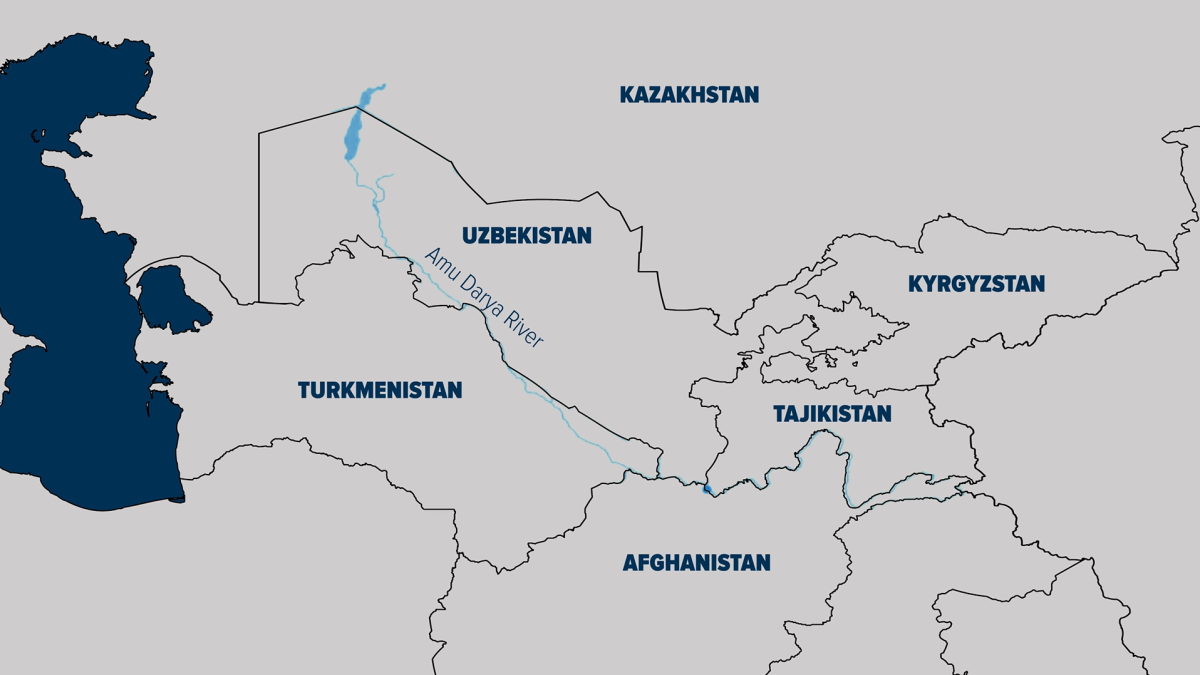
Stretching approximately 2,500 kilometres from the Pamir Mountains in Tajikistan to the remnants of the Aral Sea, the Amu Darya is one of Central Asia's longest and most important rivers.
Its lower reaches support rare tugai forests - dense floodplain woodlands that survive only alongside large rivers in arid regions. These forests provide a habitat for hundreds of plant and animal species while stabilising soils and helping to regulate fragile ecosystems.
One of the key protected areas is Khorezm National Park, established in 2019 to conserve the remaining tugai forests, wetlands and desert habitats of the Amu Darya delta. Covering more than 210 square kilometres, the park is home to more than 110 bird species alongside rare mammals, reptiles and fish that depend on the river's seasonal waters.
A regional project to restore disappearing ecosystems
According to Akmal Abdullayev, Head of the Aral Sea Wetlands Project, protecting these landscapes requires far more than traditional conservation.
Launched in 2022, the project is funded by the Global Environment Facility and the United Nations Development Programme and focuses on four interconnected priorities: water resources, combating land degradation, biodiversity conservation and regional water diplomacy.
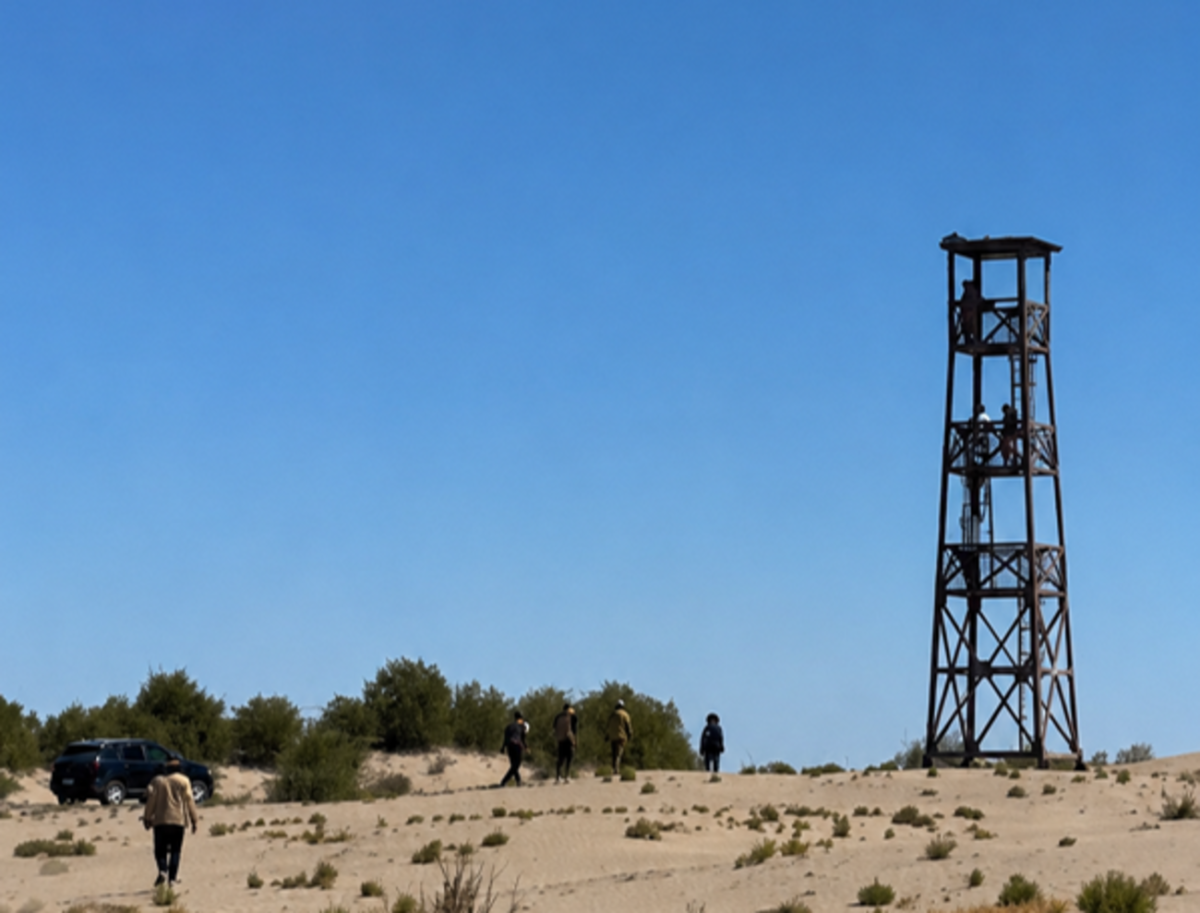
"Our priority is expanding protected natural areas and improving the way they are managed," Abdullayev said. The project has also introduced practical measures to strengthen conservation on the ground. Four wildlife observation towers have already been installed across protected areas, with six more planned to improve ecosystem monitoring.
Beyond technical support, Abdullayev said cooperation between countries sharing the Amu Darya - Turkmenistan, Tajikistan, Uzbekistan and Afghanistan - is equally important.
"Environmental challenges cannot be solved by one country alone. Last year we organised an international forum on the conservation of the Amu Darya because dialogue between countries is essential for protecting shared water resources."
Protecting the world's largest population of Bukhara deer
Further downstream in neighbouring Karakalpakstan, an autonomous republic of Uzbekistan, conservation efforts continue inside the Lower Amu Darya Biosphere Reserve, which covers nearly 69,000 hectares.
Recognised by UNESCO's World Network of Biosphere Reserves since 2021, the reserve protects one of Central Asia's largest remaining tugai forest ecosystems. Scientists have documented more than 400 plant species as well as hundreds of animal species within its boundaries.
The reserve is also home to the world's largest population of the endangered Bukhara deer, species that is included in Uzbekistan’s Red Book. It became a safe haven for roughly 1,500 of Bukhara deer. Surprisingly, the population now exceeds the capacity of the reserve. Last year, ten animals were transferred to Khorezm National Park as part of efforts to expand the species' distribution, while others were relocated to Tashkent Zoo after local numbers increased.
Drying forests highlight growing water crisis
Scientists say one of the greatest threats facing the reserve is the gradual decline of the Amu Darya's flow.
"As the river's flow decreases year by year, drought conditions become more severe and the tugai forests gradually dry out," explained research scientist Kholdar Mamutov.
Without periodic flooding, the forests cannot survive naturally. To compensate, conservation teams now carry out artificial irrigation supported by the Aral Sea Wetlands project, supplying enough water each year to restore around one to 1.5 square kilometres of forest.
"The water is directed into these areas and retained there to support the ecosystem," Mamutov said.
Protecting the future of the Lower Amu Darya
Tugai forests are among the rarest and most threatened ecosystems in Central Asia. Entirely dependent on seasonal flooding, they provide shelter for wildlife, reduce soil degradation and help maintain ecological balance across the Amu Darya basin.
As water resources come under increasing pressure from climate change and growing demand, conservationists say safeguarding these forests will require continued investment, scientific monitoring and regional cooperation.
Reporting and sourcing
The visit formed part of the Aral Sea Wetlands project, implemented by Uzbekistan's National Committee on Ecology and Climate Change together with the United Nations Development Programme and the Global Environment Facility.





















What is your opinion on this topic?
Leave the first comment