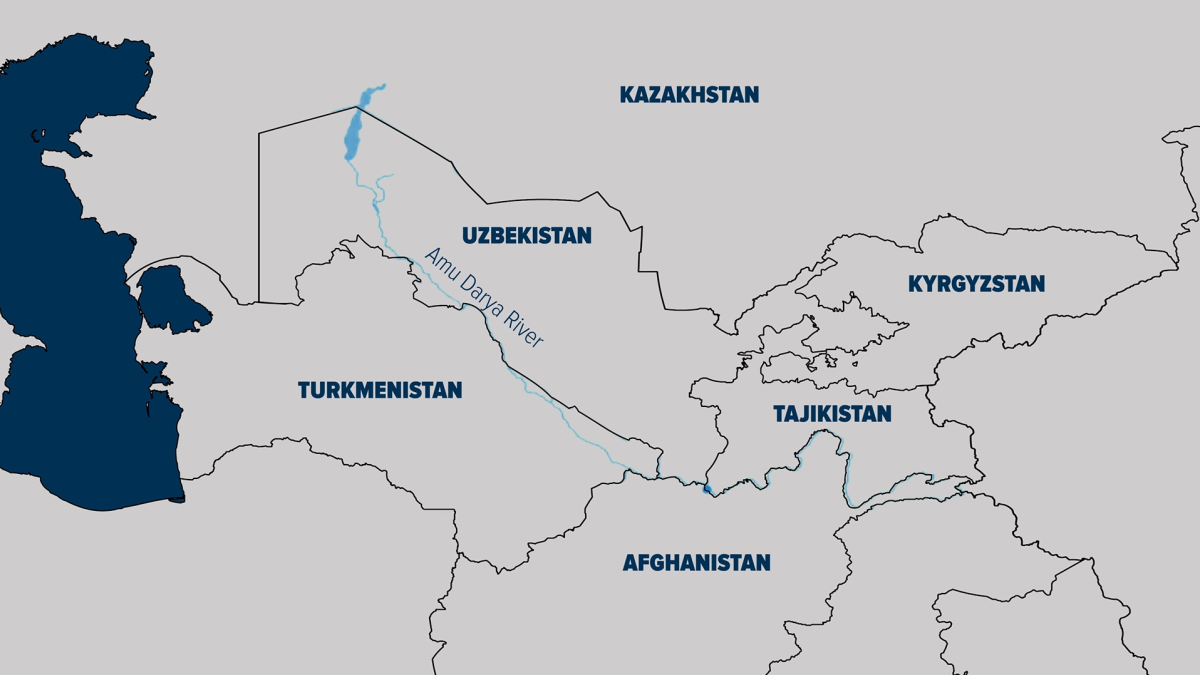
This is the third of four articles in AnewZ's series examining how conservationists are working to protect and repair damage done to the Aral Sea which lies between Uzbekistan and Kazakhstan.
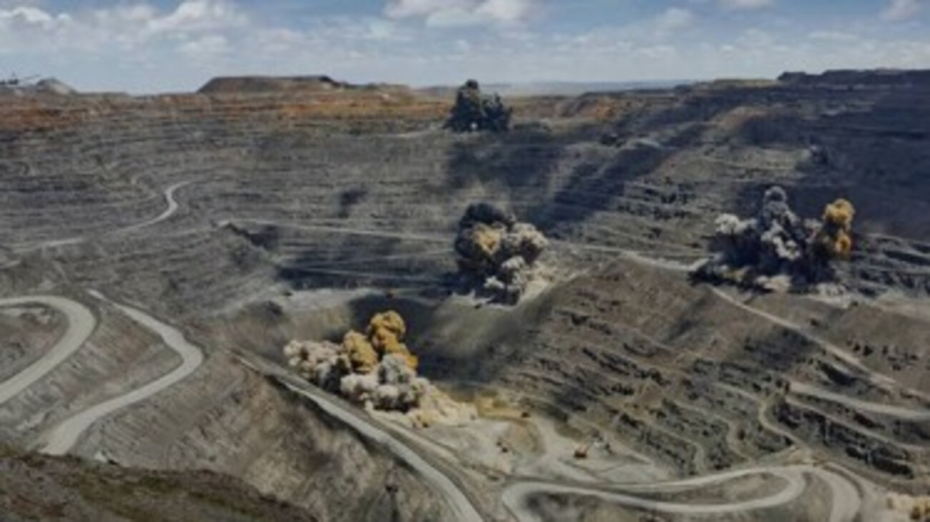
Best known for its vast gold reserves and one of the world's largest open-pit mines, Uzbekistan's Kyzylkum Desert is also home to one of Central Asia's most important wildlife sanctuaries.
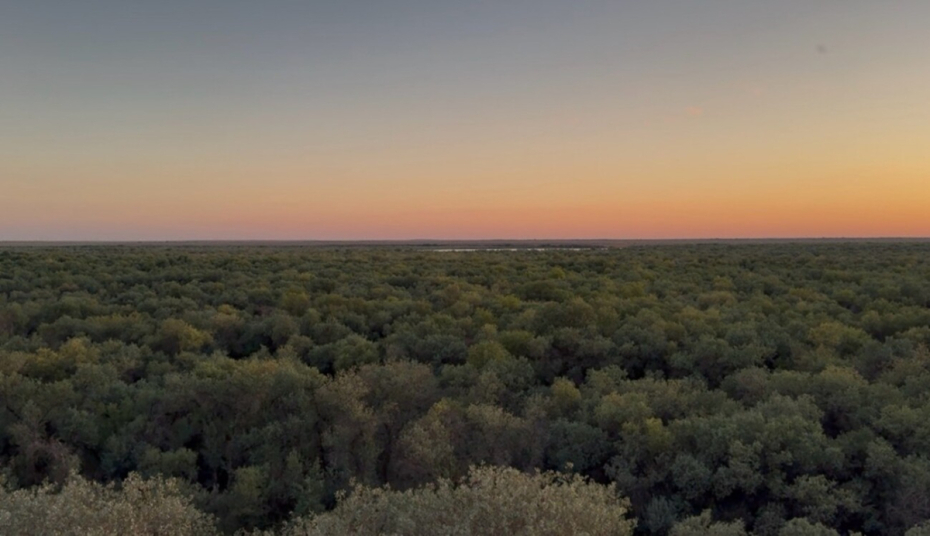
Along the banks of the Amudarya River, rare tugai forests and wetlands support endangered species in a landscape otherwise dominated by sand and extreme heat.
A desert rich in natural resources
Covering around 300,000 square kilometres between the Amudarya and Syrdarya rivers, Kyzylkum - meaning "Red Sands" - is the largest desert in Central Asia and the 15th largest in the world.
Beneath its sands lies one of the planet's richest gold-bearing regions. The desert is home to the Muruntau deposit in the Navoi Region, widely regarded as one of the world's largest open-pit gold mines. Spanning nearly nine square kilometres and reaching depths of around 600 metres, the mine forms the backbone of Uzbekistan's gold industry.
Mining operations in the desert produce more than 120 tonnes of gold each year, while exploration continues to reveal new reserves. At the Chukurquduq deposit alone, geological surveys have estimated gold reserves of more than 130 tonnes.
A hidden sanctuary along the Amudarya
Yet beyond its mineral wealth, the Kyzylkum Desert also contains ecosystems found nowhere else in the region.
Located along the Amudarya River near Uzbekistan's border with Turkmenistan, the Kyzylkum State Reserve covers more than 10,000 hectares of tugai forests, wetlands and desert landscapes. Established to protect rare floodplain ecosystems, the reserve provides a critical habitat for hundreds of plant and animal species.
Among its most iconic inhabitants are the endangered Bukhara deer and the goitered gazelle. During seasonal migrations, pelicans, flamingos, herons and many other bird species also rely on the reserve as an important stopover.
A fragile ecosystem under pressure
Despite its protected status, conservationists say the reserve faces growing environmental challenges.
"One of the greatest threats to these forests is fire," said Mirzaali Pleshev, Director of the Kyzylkum State Reserve.
"During dry periods, the risk of wildfires increases significantly. Another major challenge comes from insects and pests, which affect both wildlife and the people working to protect these areas."
He explained that tugai forests play a vital role in supporting biodiversity.
"If these forests disappear, animals are forced to move into the surrounding desert, where living conditions are much harsher and food resources are limited," he said.
Seasonal flooding presents another challenge. While the forests depend on the Amu Darya River, rising water levels during late spring can inundate breeding areas, forcing wildlife into more exposed desert habitats where young animals become increasingly vulnerable to predators.
Supporting conservation on the ground
To strengthen protection efforts, reserve staff have received equipment including binoculars, cameras, tents and field gear through conservation projects supported by international partners.
The equipment helps rangers patrol remote areas, monitor wildlife populations and respond more effectively to environmental threats.
Protecting more than a desert
Summer temperatures in the Kyzylkum Desert regularly exceed 50 degrees Celsius, making the Amu Darya River an essential source of life. Its waters sustain the tugai forests and wetlands that allow wildlife to survive in one of Central Asia's harshest climates.
As climate change, water scarcity and desertification place increasing pressure on the region's ecosystems, scientists say protected areas such as the Kyzylkum State Reserve are becoming even more important.
Alongside anti-poaching measures, scientific monitoring and habitat restoration programmes, Uzbekistan is expanding efforts to conserve these fragile landscapes - demonstrating that one of the world's richest mining regions is also one of its most valuable reservoirs of biodiversity.
Sourcing and reporting
The site was visited as part of the Aral Sea Wetlands project, implemented by Uzbekistan's National Committee on Ecology and Climate Change together with the United Nations Development Programme and the Global Environment Facility.



















What is your opinion on this topic?
Leave the first comment