This is the last of four articles in AnewZ's series examining how conservationists are working to protect and repair damage done to the Aral Sea which lies between Uzbekistan and Kazakhstan.
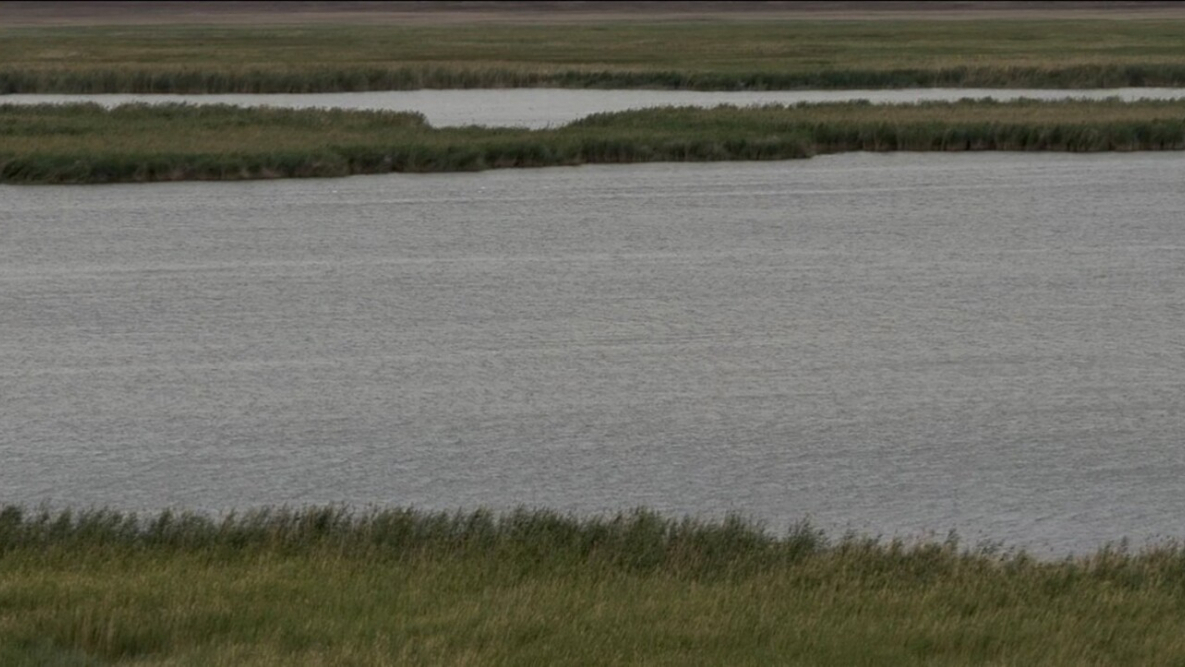
Once connected to the Aral Sea, the Sudochye lake system has become a critical refuge for wildlife in the Lower Amu Darya delta. Today, as water shortages continue to reshape the region, scientists and conservationists say the future of these internationally protected wetlands depends on more effective water management.
From one great lake to a network of wetlands
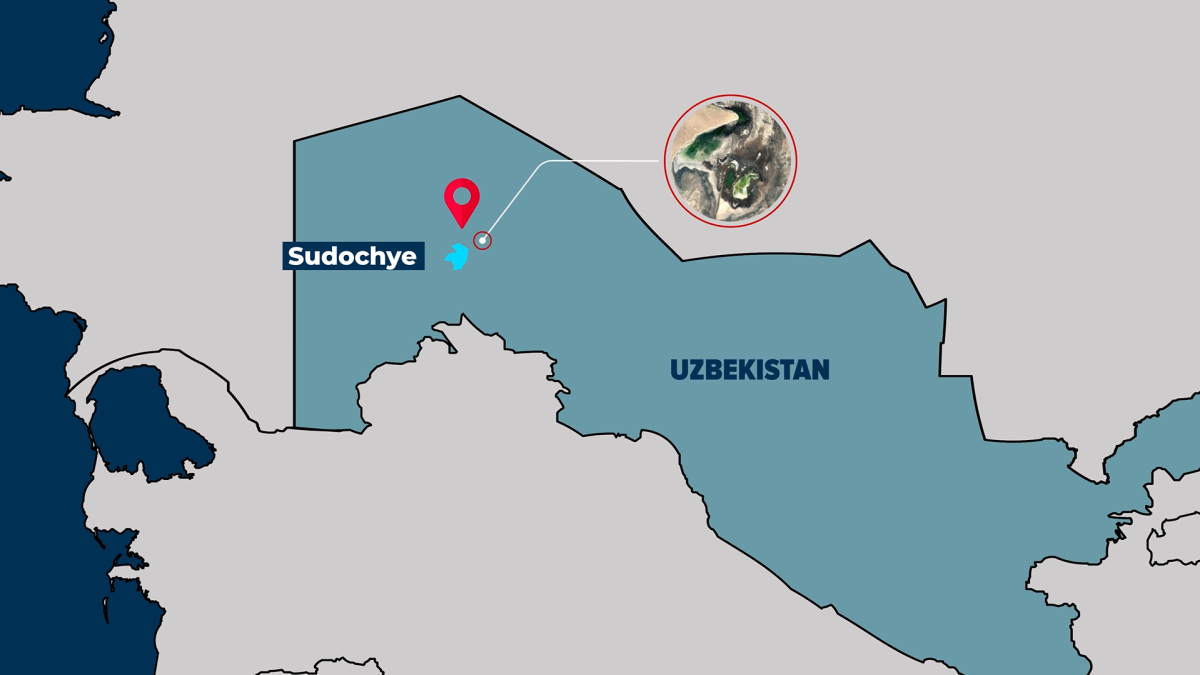
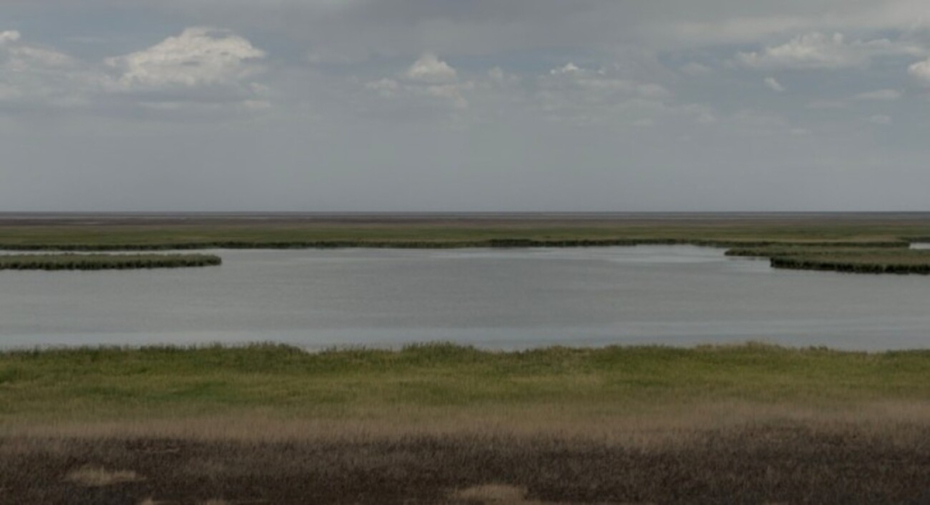
Located in Muynak district of Karakalpakstan, an autonomous republic of Uzbekistan, Sudochye was once one of the largest lakes in the Amu Darya delta, connected to the Aral Sea through a network of natural channels.
As river flows declined and the Aral Sea retreated, the original water body gradually fragmented into a system of interconnected lakes, including Akushpa, Greater Sudochye, Karateren and Begdulla-Aydin.
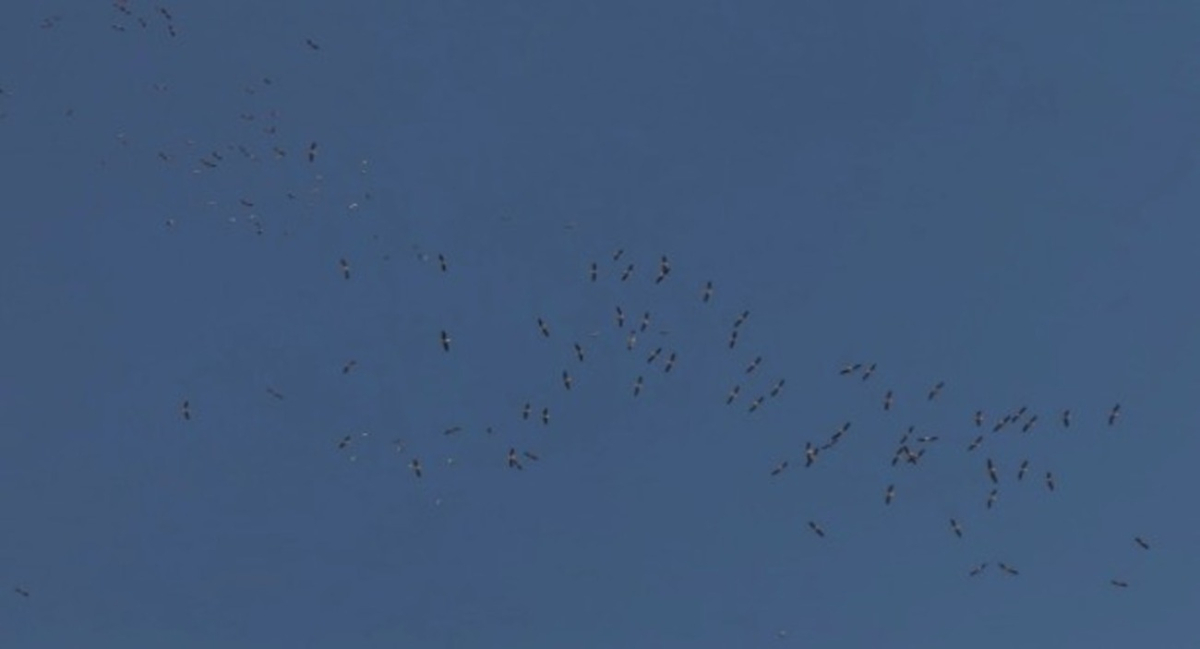
Despite these dramatic changes, the wetlands remain one of Uzbekistan's richest biodiversity hotspots. More than 290 bird species have now been recorded across the lake system, according to local conservation authorities, including flamingos, pelicans and numerous migratory waterbirds. During the spring migration season, bird numbers can exceed 100,000 individuals.
The wetlands also provide a habitat for 21 animal species listed in Uzbekistan's Red Book - a national document that lists rare species - including the goitered gazelle, Turkmen kulan, caracal and white-tailed eagle.
Recognising its global ecological value, Sudochye was designated a Wetland of International Importance under the Ramsar Convention - an international treaty dedicated to protecting the world's wetlands - in 2023.
The forgotten settlement of Urge
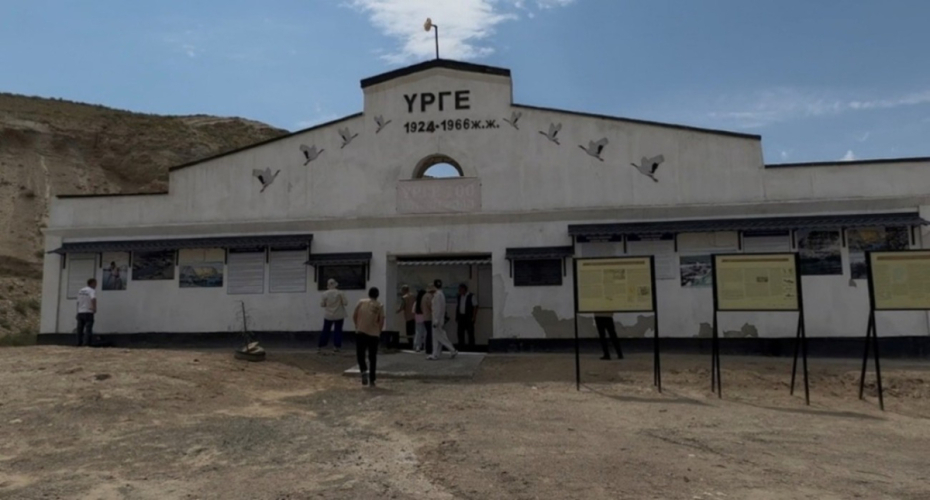
Not far from the wetlands stand the remains of Urge, a settlement that once flourished on the shores of the Aral Sea. Established in the early 20th century, Urge grew into a fishing and transport hub, complete with a railway station, school, hospital, bakery and cinema, serving the communities that depended on the lake system and surrounding waters.
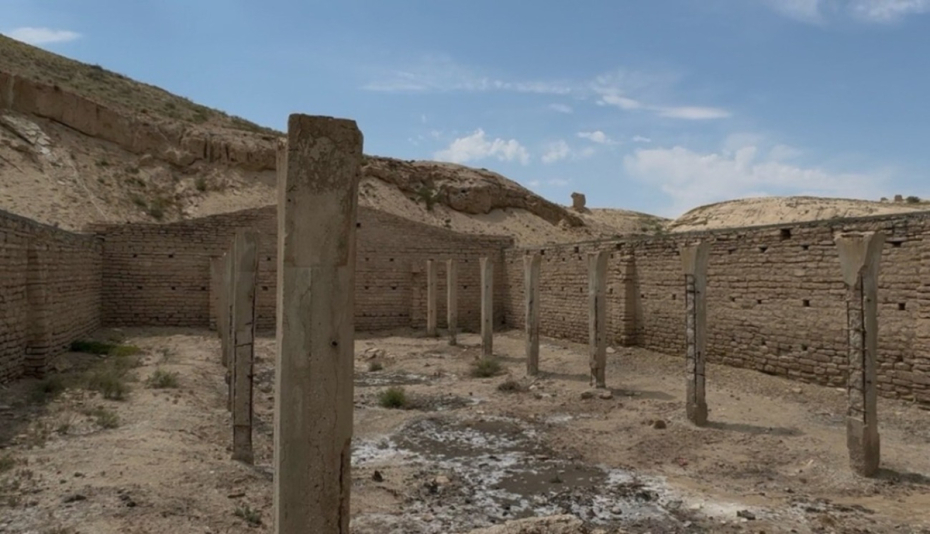
Today, only a handful of buildings remain, including a small memorial marking the former settlement and a historic lighthouse that local residents say dates back centuries. Together, they offer a striking reminder of how dramatically life in the region changed as the Aral Sea retreated and water levels declined.
The settlement was eventually abandoned in the 1960s as environmental changes reshaped the landscape and traditional transport routes disappeared.
A shrinking lake under growing pressure
According to Aymurad Qutlimurad, Chief Specialist at the Sudochye State Enterprise, the reserve has expanded its biodiversity records significantly over the past two decades, but the ecosystem continues to face serious water shortages.
"When our enterprise was established in 2001, we had recorded 230 bird species. Today that number has increased to 290," he said.
At the same time, the lake itself has continued to shrink.
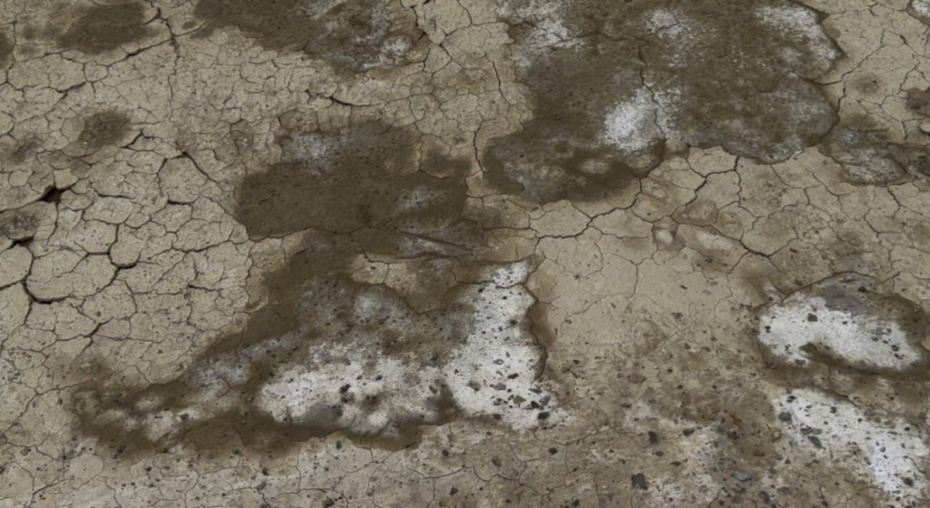
"In the past, the lake covered around 52,000 hectares (520 square kilometres). Today, only about 9,000 hectares (90 square kilometres) remain under water."
Qutlimurad said the lake receives water only seasonally, while a blocked six-kilometre section of the supply canal prevents sufficient inflow from reaching the wetlands.
"Once this section is restored, water will be able to reach the lake again. Better water supply will improve water quality, vegetation and bird populations."
Water management at the heart of conservation
Scientists say restoring Sudochye is not simply about increasing water volumes but about managing scarce resources more efficiently.
Environmental monitoring shows mineralisation levels ranging from around four to more than eight grams per litre depending on the location, while low water transparency and high concentrations of organic matter point to increasing ecological stress.
Earlier this month, Uzbekistan took another step towards addressing these challenges by signing the Integrated Water Resources Management Concept for the Lower Amu Darya Basin during Eco Expo 2026 in Samarkand.
Developed under the Aral Sea Wetlands project, the initiative aims to improve coordination between environmental, agricultural and water authorities while promoting more efficient and sustainable use of water resources across one of the country's most climate-vulnerable regions.
A future that depends on water
For experts, Sudochye represents both the environmental consequences of the Aral Sea crisis and the opportunities for recovery through coordinated conservation. Healthy wetlands provide habitat for migratory birds, protect biodiversity and strengthen the resilience of ecosystems across the Lower Amu Darya basin.
Sources and reporting
The visit was organised as part of the Aral Sea Wetlands project, implemented by Uzbekistan's National Committee on Ecology and Climate Change together with the United Nations Development Programme and the Global Environment Facility.



















What is your opinion on this topic?
Leave the first comment