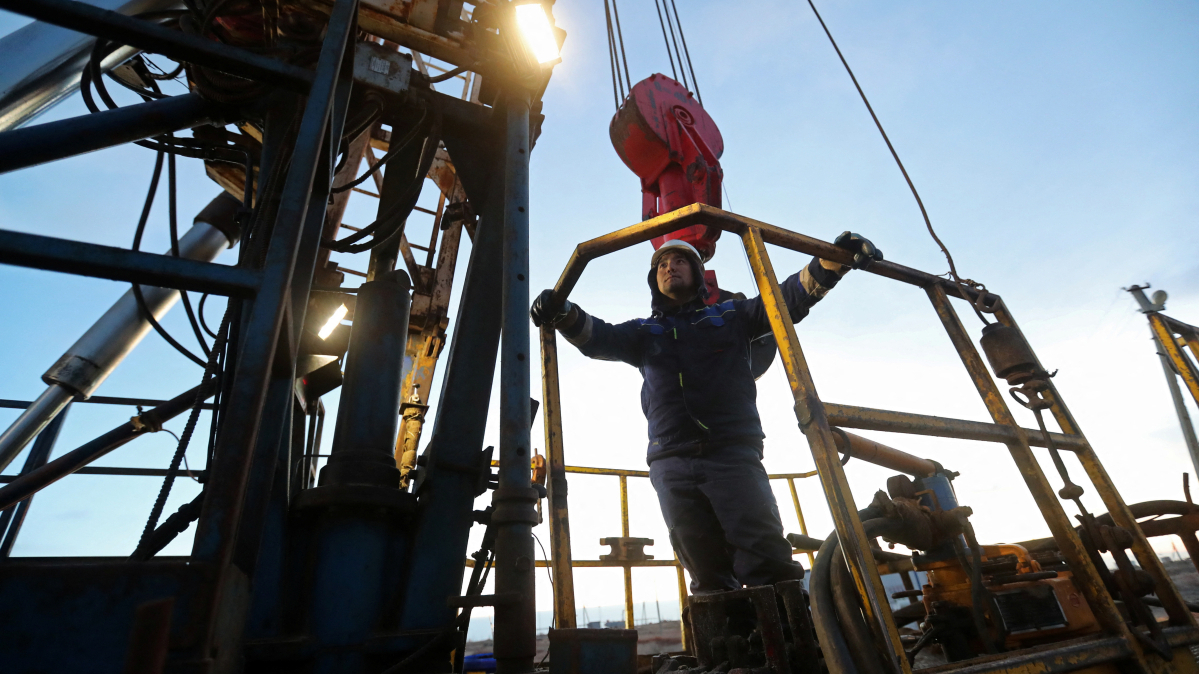
Kazakhstan sharply increased oil shipments to Europe in January, exporting 310,000 tonnes to Germany and sending a further 106,000 tonnes via the Baku–Tbilisi–Ceyhan (BTC) pipeline.
In response to a Reuters query, state pipeline operator KazTransOil said exports to Germany last month rose by 183,000 tonnes compared with January 2025, highlighting Astana’s growing focus on expanding deliveries to European markets.
Kazakhstan supplies crude to Germany mainly through the Druzhba pipeline system, while additional volumes are transported via the BTC pipeline to Turkey’s Mediterranean port of Ceyhan.
These routes allow Kazakhstan to ship oil to Western markets without using Russian seaports, where the economics of shipments have been affected by Western sanctions and shifting trade flows since Russia’s invasion of Ukraine.
Steady European demand for oil
In 2025, Kazakhstan increased oil exports to Germany by 44% year on year to 2.146 million tonnes, according to KazTransOil. During the same period, shipments of Kazakh crude from the Caspian port of Aktau towards the BTC route fell by 11% to 1.263 million tonnes.
Kazakhstan plans to raise oil exports to Germany in 2026 to 2.5 million tonnes, reflecting expectations of steady European demand and continued use of alternative export corridors.
Kazakhstan is among the world’s leading oil producers and exports most of its crude. While the majority of volumes traditionally move through the Caspian Pipeline Consortium route to Russia’s Black Sea coast, the country has stepped up the use of alternative pipelines and transport routes to reduce exposure to geopolitical and operational risks.
For Germany, higher imports of Kazakh oil form part of a broader effort to replace Russian energy supplies as Europe continues to reshape its energy system.
KazTransOil said export flows in 2026 will depend on market conditions, technical capacity and demand from buyers.


















What is your opinion on this topic?
Leave the first comment