live U.S. forces resume blockade of vessels travelling to and from Iran
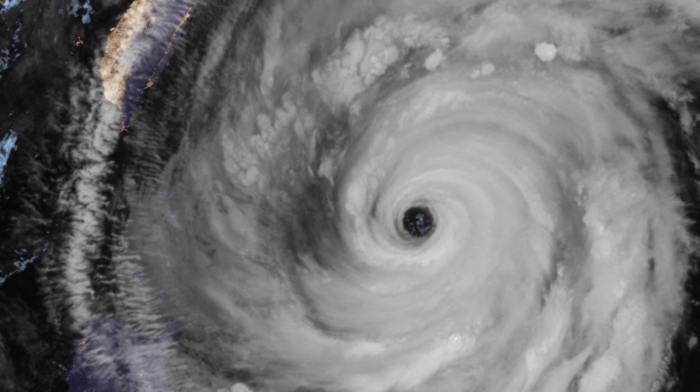
The United States carried out a third consecutive night of airstrikes against Iran, targeting military capabilities around the Strait of Hormuz as Don...
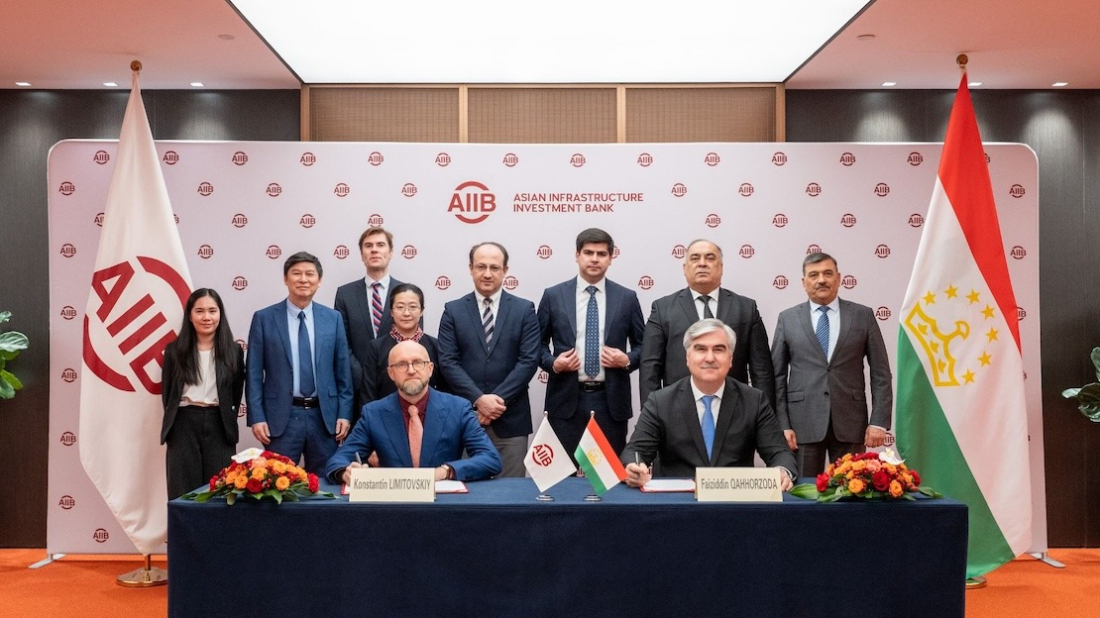
AIIB approves $500M program to boost regional energy security with hydropower in Tajikistan, addressing growing demand and promoting renewable energy in Central Asia.
The Asian Infrastructure Investment Bank (AIIB) has announced about approval of a multiphase programme with a total financing of $500 million to enhance regional energy security and promote renewable energy in Central Asia.
Cofinanced with a global consortium of donors, including the World Bank, the programme aims to enhance the supply of clean, affordable, climate-resilient hydroelectricity for Tajikistan and the broader Central Asia region. Central Asia’s energy demand is expected to grow by 40% by 2030 and triple by 2050, meaning the region urgently requires the development of renewable energy, reads the Bank’s statement.
“Investing in sustainable energy infrastructure is not merely about meeting today’s demands, but about empowering future generations with clean, reliable power that drives transformative growth, strengthens resilience and unlocks the full potential of the region,”- said Konstantin Limitovskiy, AIIB Chief Investment Officer.
The programme supports the construction of a hydropower plant on the Vakhsh River (a tributary of the Amu Darya River) that is 110 km from Dushanbe, the capital city of Tajikistan. With a designed generation capacity of 3,780 MW, the Rogun HPP is expected to improve electricity supply to about 10 million people in Tajikistan, alleviating persistent winter power shortages.
The large reservoir with a total reservoir capacity of 13.3km3 can supply firm energy during the winter season and provide reliable electricity to meet growing domestic demands at an affordable cost. Furthermore, it has the potential to export clean energy to Central Asian countries, generating significant export revenue for many years to come.
Tajikistan is ranked eighth in the world for hydropower potential, but only about 4% of this potential is currently exploited. The Rogun HPP is set to play a critical role in decarbonizing electricity grids across Central Asia.

The United States carried out a third consecutive night of airstrikes against Iran, targeting military capabilities around the Strait of Hormuz as Donald Trump announced the reinstatement of a blockade on Iranian shipping and proposed a 20% fee on cargo passing through the strategic waterway.
President Ilham Aliyev is holding his annual question-and-answer session with international journalists at the 4th Shusha Global Media Forum in Azerbaijan.
The United States and Iran have significantly escalated their conflict, exchanging heavy missile and drone strikes across the Gulf region. Iran claims it has once again closed the Strait of Hormuz, a vital global shipping route.
Start your day informed with AnewZ Morning Brief. Here are the top news stories for the 13th of July, covering the latest developments you need to know.
An overnight fire at a popular bar in Bangkok has killed at least 30 people and injured 70 others, making it one of the deadliest pub disasters in the Thai capital in recent years. Authorities say the venue quickly filled with thick smoke, trapping patrons inside.
President Ilham Aliyev has approved an agreement between the governments of Azerbaijan and Georgia on the supply of natural gas to Georgia, marking another step in energy cooperation between the two neighbouring countries.
Türkiye's first unmanned fighter aircraft has successfully completed a live-fire test using a domestically developed supersonic missile, striking a target more than 120 kilometres away over the Black Sea in another milestone for the country's defence industry.
Afghanistan and Türkiye are considering a tourism agreement to promote historic and religious sites, ease travel and train tourism workers, Afghan authorities said after talks in Kabul on Monday.
Pakistan has allowed a United Nations World Food Programme (WFP) aid convoy to enter Afghanistan through the Torkham border crossing, granting a rare humanitarian exemption despite months of restrictions on cross-border movement amid heightened security tensions with Afghanistan.
Climate change could leave Kazakhstan facing severe water shortages, longer heatwaves and mounting economic losses within decades, as rising temperatures and shrinking glaciers reshape water security across Central Asia, scientists warn.
You can download the AnewZ application from Play Store and the App Store.
What is your opinion on this topic?
Leave the first comment