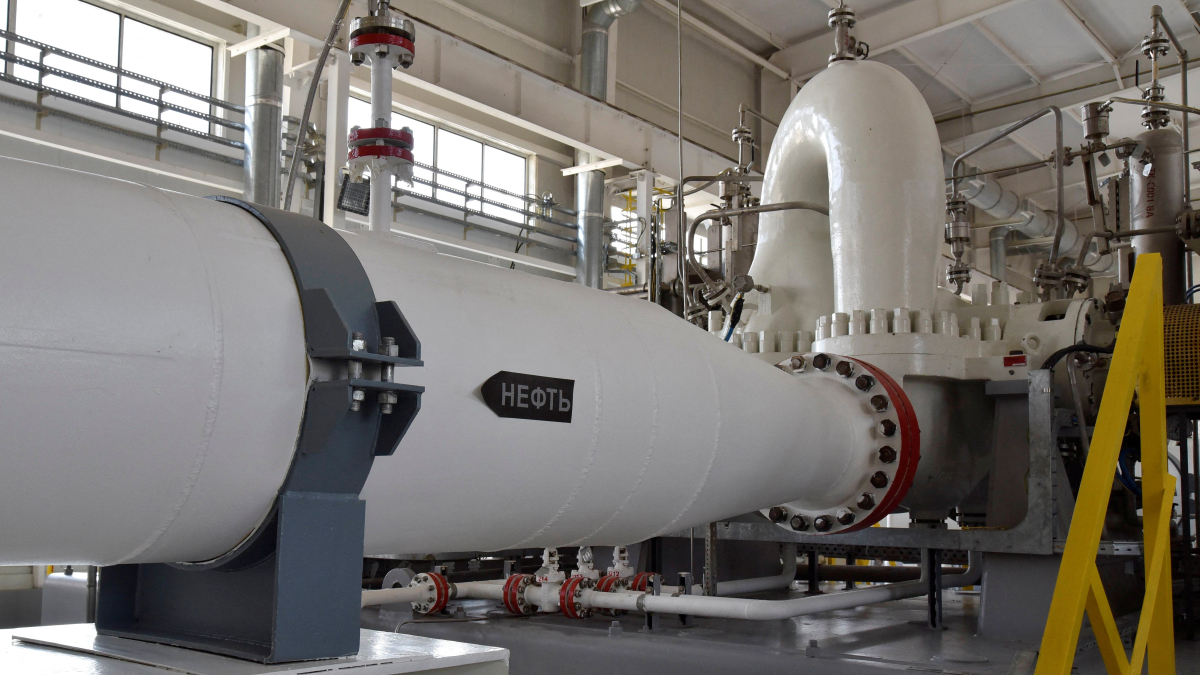
Kazakhstan has begun recalibrating its oil export logistics amid ongoing restrictions affecting the Caspian Pipeline Consortium (CPC), a vital conduit for the country’s crude supplies to global markets.
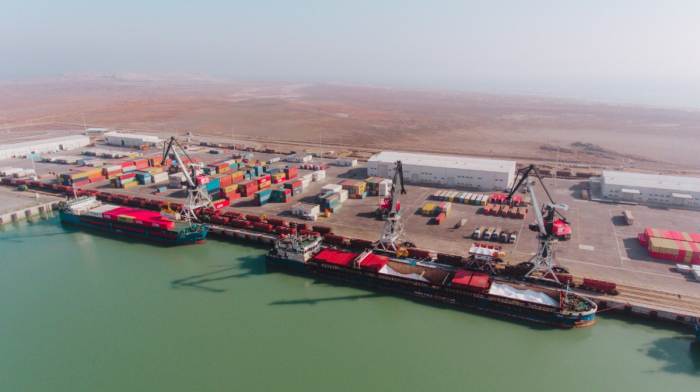
The redirection was carried out through the pipeline system operated by KazTransOil, allowing crude to be shipped towards a range of destinations, including Germany and China, as well as via the Baku-Tbilisi-Ceyhan route and through the ports of Novorossiysk and Ust-Luga. According to KazMunayGas, these measures will not be confined to the end of 2025. With CPC intake restrictions still in force, the company says the reallocation of volumes is set to continue into January 2026.
These short-term adjustments sit alongside a broader trend of gradual diversification in Kazakhstan’s export flows. Data for 2025 show a steady rise in crude shipments to Germany, where Kazakh oil supplies the Schwedt refinery. Deliveries reached 2.1 million tonnes last year, and volumes are expected to increase to 2.5 million tonnes in 2026. Exports to China, by contrast, have remained stable, totalling 1.1 million tonnes in 2025, underlining Beijing’s continued role as a reliable outlet for Kazakh crude.
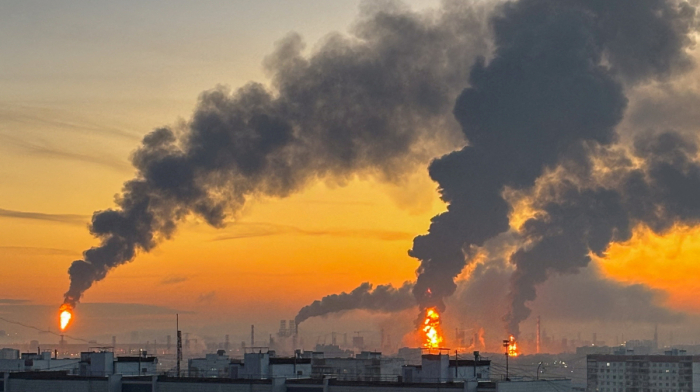
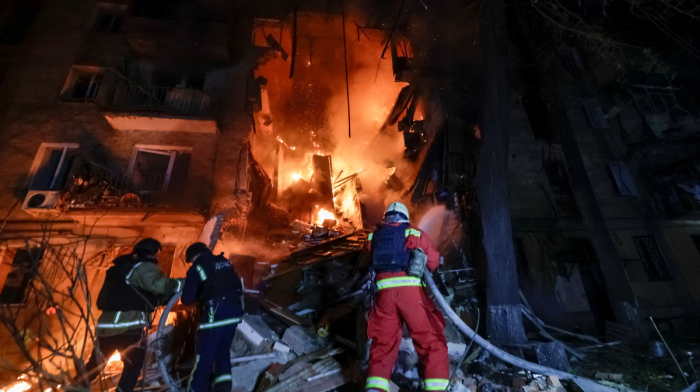
The logistical reshuffle follows a sharp escalation in security risks around export infrastructure. On 29 November 2025, the CPC was attacked, an incident that immediately drew a formal response from Astana. The pipeline carries about 80 per cent of Kazakhstan’s export oil, making it a cornerstone of an economy where hydrocarbons form the backbone of state revenues. The following day, the Foreign Ministry described the strike as an act of aggression and issued a diplomatic protest, accusing Ukraine of a targeted assault on critical infrastructure.
By mid-December, the financial impact was already apparent. Energy Minister Erlan Akkenzhenov said the restrictions had led to losses of around 480 000 tonnes of oil, while stressing that the country would still meet its overall targets for 2025. He acknowledged, however, that the attack on the CPC had had a clear and measurable effect on export operations.
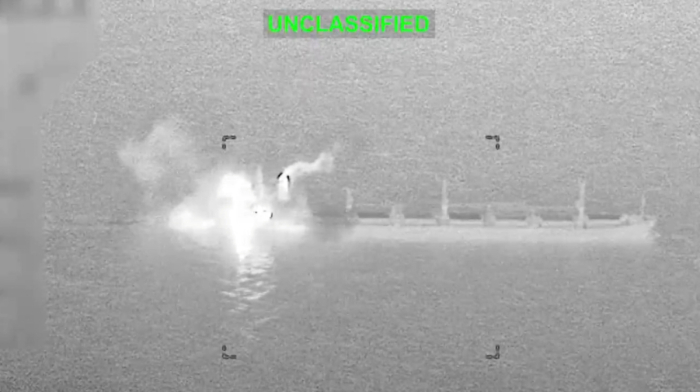
Tensions rose further in January 2026, when attacks extended to maritime transport linked to Kazakh oil shipments. On 13 January, two tankers waiting to load crude were targeted by unmanned aerial vehicles. The Matilda, sailing under the Maltese flag and chartered by a subsidiary of KazMunayGas, suffered an onboard explosion, though no critical damage was reported. A second vessel, the Delta Harmony, flying the Liberian flag, was also struck while awaiting loading.
Against this backdrop, Kazakhstan is pressing ahead with efforts to reduce its dependence on a single export corridor. The emphasis on alternative routes reflects both an immediate response to disruption and a longer-term attempt to strengthen resilience in an increasingly volatile regional environment, where energy security has become inseparable from geopolitics.















What is your opinion on this topic?
Leave the first comment