Day three of the U.S.-Iran conflict: Further strikes and oil price surge
The U.S.-Iran crisis has entered its third day, with further strikes reported across the Middle East and the death toll rising. Oil prices have sur...
Independents who back Kyrgyzstan’s President Sadyr Japarov have taken a sweeping victory in Sunday’s snap parliamentary election, according to preliminary results.
Early figures from the central electoral commission show that candidates sympathetic to Japarov secured the overwhelming majority of seats. The field consisted mainly of independents rather than formal party lists, a setup that has become characteristic of Kyrgyz politics in recent years. Many of these contenders are not widely known nationally but share the president’s policy direction, giving him broad influence over the incoming legislature.
After casting his ballot in Bishkek, Japarov told reporters the vote had been conducted cleanly and contrasted it with earlier elections that drew allegations of irregularities. He said the government aims to ensure the 2027 presidential contest is held with the same emphasis on transparency. With parliament now dominated by figures who support his approach, Japarov enters the next phase with a clear political pathway.
Officials close to the administration say Kyrgyzstan has moved on from periods marked by rapid political turnover and shifting coalitions. Deputy prime minister Edil Baisalov said earlier hopes of adopting a Westminster-inspired model did not match the country’s political realities, framing the current direction as an effort to establish predictable governance.
Bishkek’s recent construction boom has become one of the most visible signs of economic activity, even as households face higher living costs and pressure on electricity supplies. The government says ongoing projects and infrastructure investments are intended to address these concerns, particularly as demand rises in the colder months.
Economists observe that Kyrgyzstan’s position in regional trade flows has expanded, especially in relation to goods moving to and from Russia. These shifts, shaped partly by international sanctions regimes, have drawn attention from Western governments, which have sanctioned several Kyrgyz banks and cryptocurrency firms over allegations involving redirected trade. Bishkek says it is reviewing the measures and maintaining dialogue with partners to manage any implications.
With a parliament composed largely of independents aligned with the president’s policy direction, the government is positioned to continue its agenda as the country moves toward the next electoral cycle.

Follow the latest developments and global reaction after the U.S. and Israel launched “major combat operations” in Iran, prompting retaliation from Tehran.
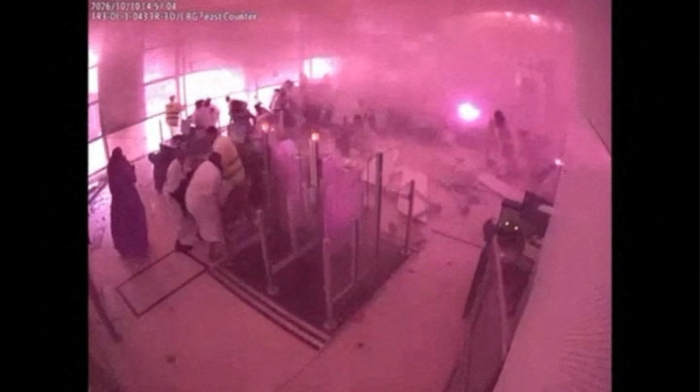
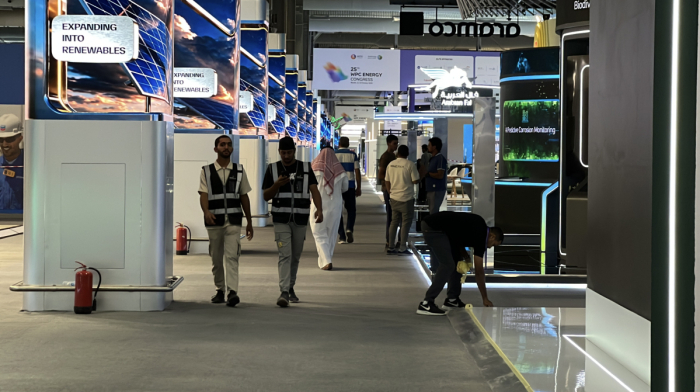
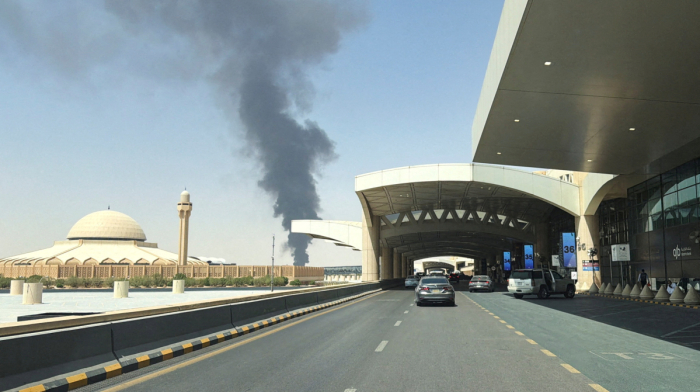
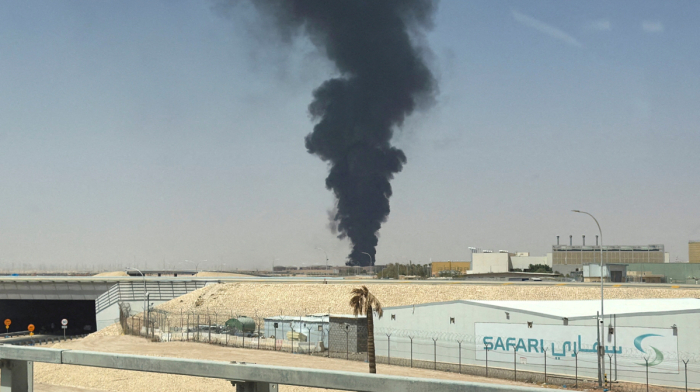
Saudi Arabia’s state oil giant Saudi Aramco closed its Ras Tanura refinery on Monday following an Iranian drone strike, an industry source told Reuters as Tehran retaliated across the Gulf after a U.S.-Israeli attack on Iranian targets over the weekend.
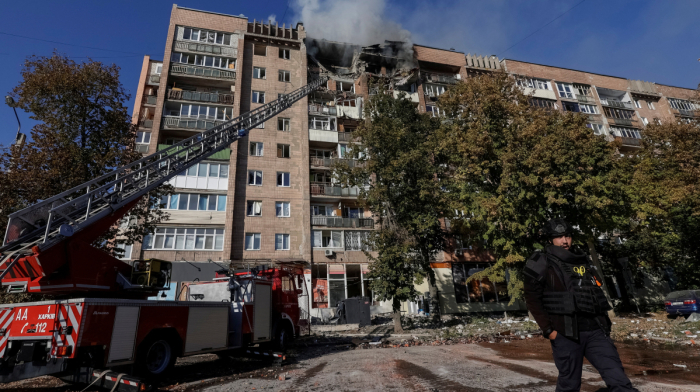
The Kremlin is utilising the recent United States and Israeli military strikes on Iran to validate its ongoing war in Ukraine. Russian officials are pointing to the escalation in the Middle East as evidence that Western nations do not adhere to international rules.
The Middle East crisis intensifies after the deadly attack on Iran's Supreme Leader Ali Khamenei's compound on Saturday that killed him, other family members and senior figures. Iran has launched retaliatory strikes on U.S. targets in the region.
Ayatollah Alireza Arafi has moved into a pivotal constitutional role following the death of Supreme Leader Ayatollah Ali Khamenei, becoming the clerical member of Iran’s temporary leadership council under Article 111 of the Constitution of the Islamic Republic of Iran.
Türkiye and Iran have suspended day-trip passenger crossings at their shared border, Türkiye's trade minister said Monday, as a U.S.-Israeli military campaign against Iran entered its third day.
China’s Foreign Minister Wang Yi has held talks with his Russian counterpart Sergei Lavrov following recent military strikes carried out by the United States and Israel on targets in Iran, as tensions in the Middle East continue to rise.
Uzbekistan has expressed deep concern over the rapid escalation of tensions in the Middle East, urging restraint and diplomatic resolution as the conflict begins to affect civilian aviation and regional security.
As tensions escalate in the Middle East, Kazakhstan is assessing the impact on its trade routes, diplomatic ties and citizens in the region. Analysts say the crisis could test Astana’s ability to balance economic interests, security concerns and foreign policy priorities.
Israel carried out heavy airstrikes on the Hezbollah-controlled southern suburbs of Beirut on Monday (2 March), after the Iran-backed group launched missiles and drones towards Israel in retaliation for the killing of Iran's Supreme Leader Ali Khamenei.
You can download the AnewZ application from Play Store and the App Store.
What is your opinion on this topic?
Leave the first comment