Sanctum: Azerbaijan and the Holy See
Sanctum is a documentary about faith preserved through respect, and history protected through responsibility....
Kazakhstan has unveiled plans to create a specialised research University for artificial intelligence while also providing digital skills training for up to one million citizens over the next five years.
The initiative unveiled as part of the country’s ambitious digital transformation plans, aims to train domestic AI specialists and strengthen Kazakhstan’s technological sovereignty.
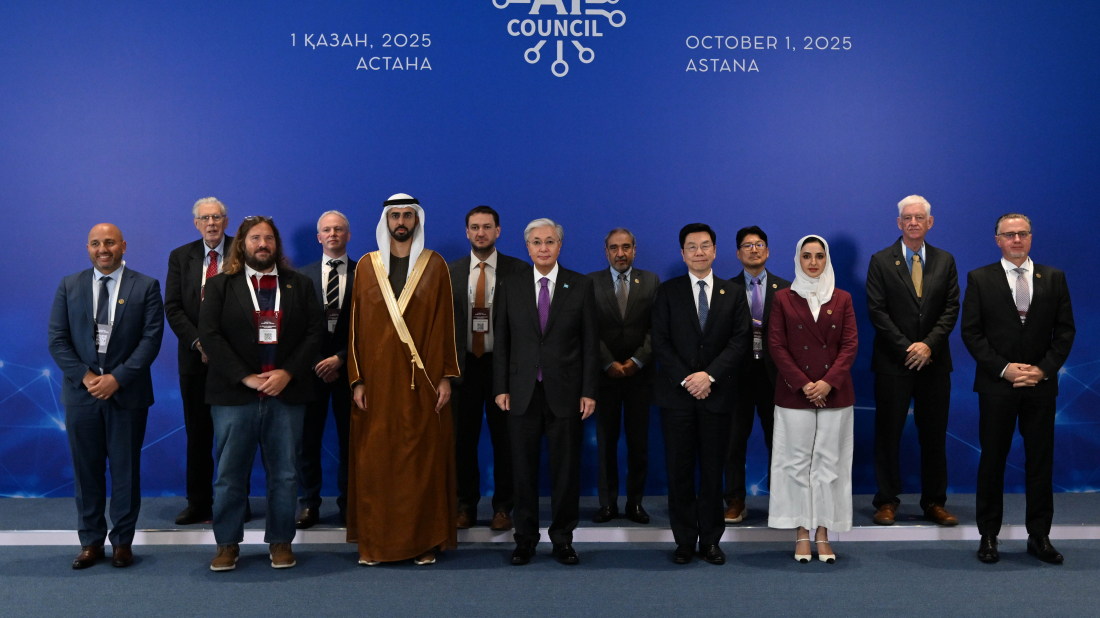
President Kassym-Jomart Tokayev made the proposal during the first meeting of the Council for the Development of Artificial Intelligence held in Astana on Wednesday 1st October.
The meeting brought together government officials, including the Prime Minister and relevant ministers, as well as international experts and academics from leading universities and companies in the UAE, the USA, and China.
Discussions focused on integrating AI into education, developing human capital, and building national digital infrastructure.
President Tokayev at the meeting said, “Currently, the country does not have an institution that trains AI specialists. We need to establish a research university with a special status,”
Artificial intelligence is viewed as a key driver of Kazakhstan’s economic competitiveness and national transformation.
The global AI market is projected to reach US$740 billion in 2025, with investments in new AI developments rising by 20%. Against this backdrop, Kazakhstan aims to become a fully digital state within the next three years.
Key measures already underway include the adoption of a law on artificial intelligence, the development of a digital code, the launch of a supercomputer, and the creation of the necessary digital infrastructure.
The EXPO area in Astana is being transformed into an international centre for digital solutions. Kazakhstan currently ranks 24th globally in e-government performance.
Digital sovereignty is a central priority as Kazakhstan intends to develop its own AI models and build systems to protect personal data and labour rights in the digital economy.
The country’s AI strategy focuses on three main pillars: institutional development, human capital, and digital infrastructure.
President Tokayev emphasised that building domestic technologies and training highly qualified IT professionals is essential for both technological independence and overall national development.

President Donald Trump said on Thursday that the United States has an "armada" heading toward Iran but hoped he would not have to use it, as he renewed warnings to Tehran against killing protesters or restarting its nuclear programme.
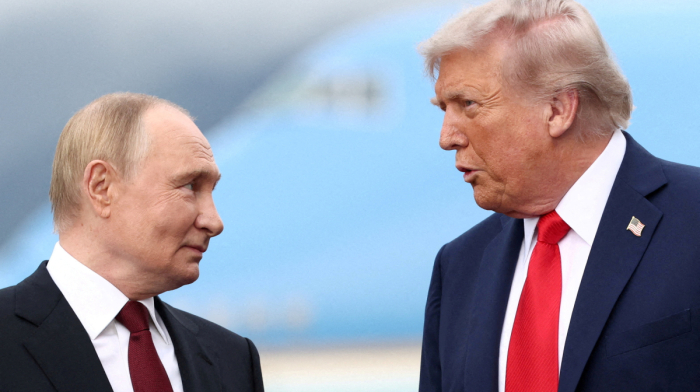
Russian President Vladimir Putin said on Wednesday that Moscow could pay $1 billion from Russian assets frozen abroad to secure permanent membership in President Donald Trump’s proposed ‘Board of Peace’.
A commuter train collided with a construction crane in southeastern Spain on Thursday (22 January), injuring several passengers, days after a high-speed rail disaster in Andalusia killed at least 43 people.
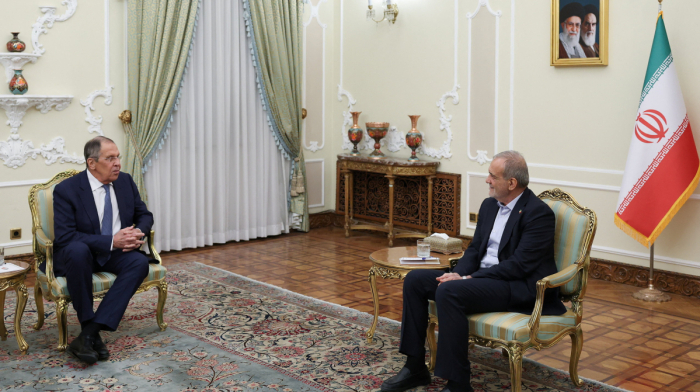
Turkish President Recep Tayyip Erdoğan has told his Iranian counterpart Masoud Pezeshkian that Türkiye opposes any form of foreign intervention in Iran, as protests and economic pressures continue to fuel tensions in the Islamic republic.
President Donald Trump says he has agreed a "framework" for a Greenland deal with NATO.
The Turkish Defence Ministry has called for the Syrian Democratic Forces (SDF)’s “unconditional compliance” with the 18 January ceasefire agreement between the Kurdish-led militant group and Damascus.
The claim that U.S. President Donald Trump's intervention stopped the execution of 800 detainees is "completely false", said prosecutor-general of Iran, Mohammad Movahedi on Friday (23 January). According to him, the number cited by Trump does not exist and the judiciary has made no such decision.
The United Nations nuclear watchdog must clarify its stance on U.S. and Israeli attacks on Iran's nuclear sites last June that lasted 12 days, before inspectors are allowed to visit those facilities, Iranian media on Friday quoted the country's atomic chief as saying.
SOCAR’s Carbamide plant in Sumgayit has been recognised by the World Economic Forum (WEF) as a Global Lighthouse site, marking Azerbaijan’s first inclusion in the Forum’s flagship Industry 4.0 network.
United Nations agencies have taken over the management of vast detention camps in northeastern Syria housing tens of thousands of people associated with Islamic State (IS), after Kurdish-led forces guarding the sites withdrew amid clashes with Syrian government troops.
You can download the AnewZ application from Play Store and the App Store.
What is your opinion on this topic?
Leave the first comment