In a historic move, French President Emmanuel Macron has announced that France will formally recognise the State of Palestine at the United Nations General Assembly in September. The declaration positions France as the most influential Western country to back Palestinian statehood—sparking celebration in Ramallah and outrage in Tel Aviv.
Macron framed the decision as a moral obligation and a diplomatic necessity, calling for a ceasefire in Gaza, the release of hostages, and a surge of humanitarian aid. But his statement also included conditions: demilitarisation of a future Palestinian state and full recognition of Israel.
The Palestinian Authority welcomed the announcement, describing it as a step towards justice and self-determination. Hamas issued cautious support, while Israeli Prime Minister Benjamin Netanyahu fiercely condemned the move as a “reward for terror.” Israeli ministers have threatened retaliatory measures.
In this edition of NewsHour, we ask what France’s bold new stance means for the future of the Middle East, whether it signals a broader shift in European policy—and what comes next.
Watch our full segment, including reactions from Paris, and a special interview with a pro-Palestinian guest.
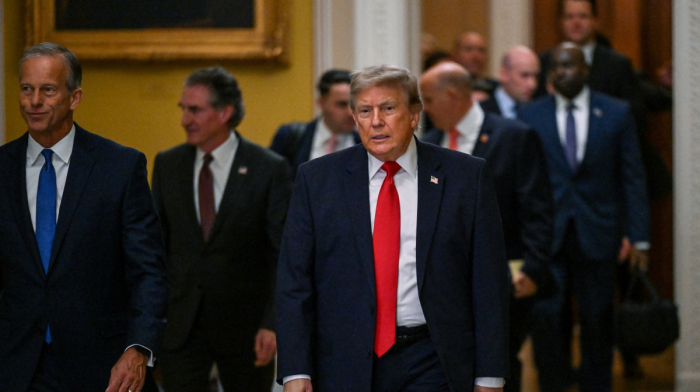
The U.S. Senate rejected a resolution on Wednesday that would have directed President Donald Trump to remove U.S. forces from hostilities against Iran...
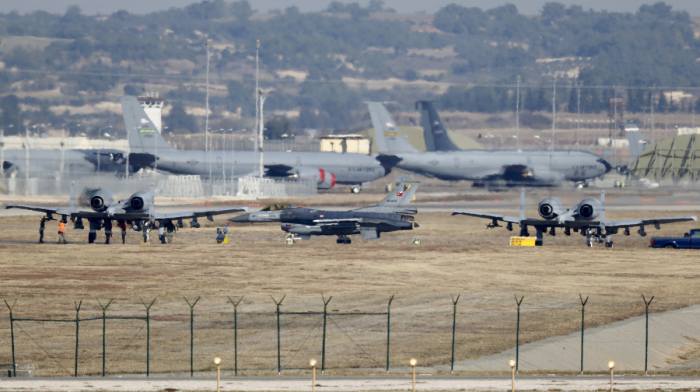
The Trump administration is expected to move forward with a proposed $750 million sale of F-110 jet engines to Türkiye despite objections from a seni...
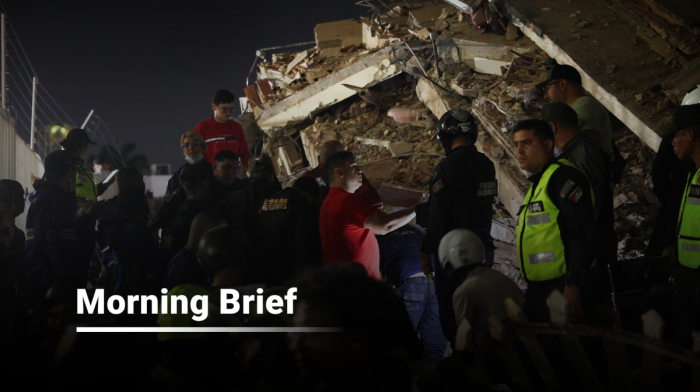
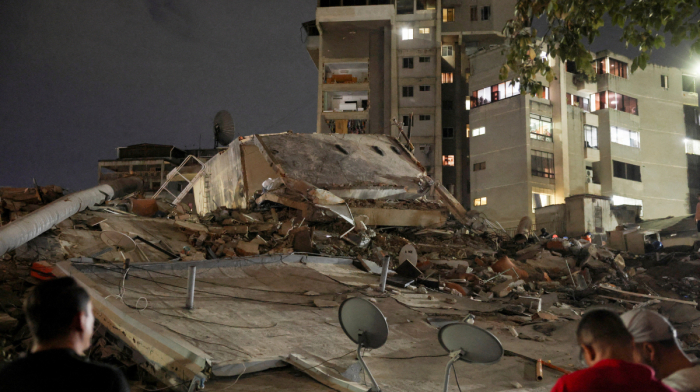
Strong earthquakes struck west of Venezuela's capital on Wednesday, toppling buildings in Caracas, trapping people in the rubble and prompting scienti...
Brazil moved closer to the World Cup 2026 knockout stage with a Vinícius Jr double, while Morocco fought back in a six-goal thriller against Haiti, a...
Brazil moved closer to the World Cup 2026 knockout stage with a Vinícius Jr double, while Morocco fought back in a six-goal thriller against Haiti, as Scotland’s campaign suffered a setback after another difficult attacking display.
Tehran has agreed to let the International Atomic Energy Agency (IAEA) recommence inspections of its nuclear programme, U.S. Vice President JD Vance has said. The U.S. and Iran have settled on a 60-day roadmap aimed at reaching a final deal, according to mediators Qatar and Pakistan.
Villagers took part in Dragon Boat Festival celebrations on 24 June in Foshan, Guangdong province, where traditional racing was held on the narrow, winding Diejiao River.
A cemetery in the Gaza Strip containing the remains of 22 Canadian soldiers killed during a 1956 United Nations peacekeeping mission has been destroyed, according to media reports citing families of the deceased.
Israel's defence minister said on Wednesday Israeli troops will not withdraw from southern Lebanon, highlighting a hurdle to Iran-U.S. peace talks, as the top U.S. diplomat tours the Middle East to win over allies sceptical about a proposed deal.
A Ukrainian strike has damaged a school building in a Russian-controlled area of Ukraine’s Zaporizhzhia region, according to local authorities cited by the TASS news agency. No injuries were reported in the incident.
U.S. President Donald Trump said that Iran had agreed to nuclear inspections into "infinity, despite Tehran's denials, and that unfrozen Iranian assets would be used to buy humanitarian supplies from the United States.
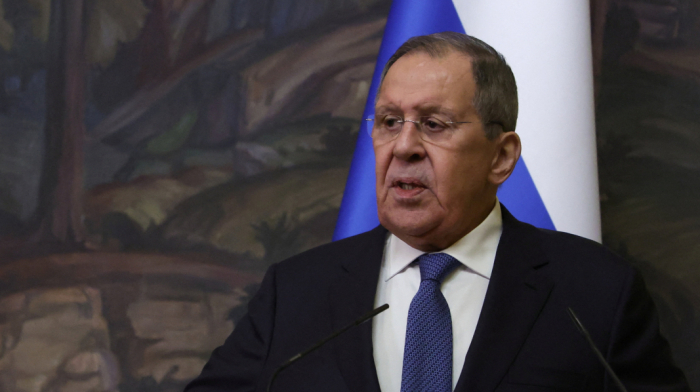
Russia has called for clarification on whether U.S. President Donald Trump has changed his position on the war in Ukraine following remarks made at the recent G7 summit in Evian-les-Bains.
The U.S. Senate rejected a resolution on Wednesday that would have directed President Donald Trump to remove U.S. forces from hostilities against Iran unless Congress formally authorised military action.
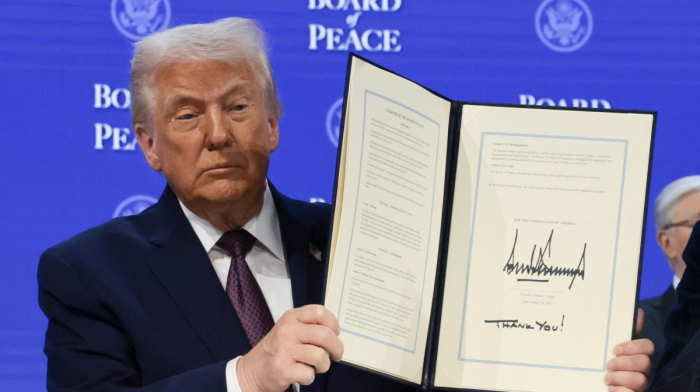
In a special edition of Context, Orkhan Amashov reports from Washington on the inaugural meeting of the Board of Peace, examining plans for Gaza’s reconstruction, a proposed stabilisation force, and the wider diplomatic impact of the U.S.-led initiative.
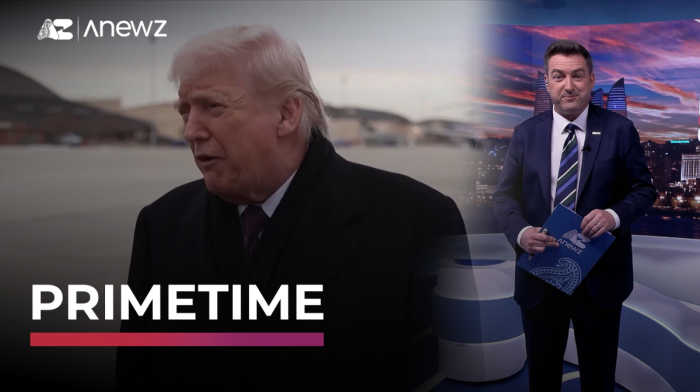
In today’s Prime Time, we covered the following conversations: Azerbaijan has shipped petroleum products to Armenia by rail for the first time in decades, marking a significant step toward economic cooperation and regional integration in the South Caucasus.















What is your opinion on this topic?
Leave the first comment