The AnewZ Opinion section provides a platform for independent voices to share expert perspectives on global and regional issues. The views expressed are solely those of the authors and do not represent the official position of AnewZ
In an era marked by geopolitical uncertainty, economic fragmentation, and accelerating climate pressures, meaningful diplomacy is no longer defined by rhetoric alone, but by clarity of purpose and convergence of vision.
The recent high-level engagement between Azerbaijan’s President Ilham Aliyev and the United Arab Emirates’ President Sheikh Mohamed bin Zayed Al Nahyan in Abu Dhabi stands as a compelling example of how modern statecraft can transcend traditional alliances and build resilient, forward-looking partnerships.
At its core, the Azerbaijan–UAE relationship reflects a shared understanding that sustainable national progress today requires diversified partnerships, economic foresight, and diplomatic agility. The meeting between the two leaders was not merely ceremonial; it symbolised a maturing relationship grounded in mutual trust, strategic alignment, and a common commitment to stability and development in a rapidly evolving global order.
President Ilham Aliyev’s leadership has consistently demonstrated Azerbaijan’s capacity to pursue a balanced and pragmatic foreign policy. Over the past decade, Baku has emerged as a confident regional actor—one that is increasingly shaping its global footprint through strategic connectivity, energy diplomacy, and engagement with both East and West. Azerbaijan’s approach is defined by national interest without isolationism, sovereignty without rigidity, and cooperation without dependency. This diplomatic posture has enabled Azerbaijan to cultivate meaningful relationships across regions, including the Gulf.
President Sheikh Mohamed bin Zayed Al Nahyan, meanwhile, has positioned the UAE as one of the most influential middle powers of the 21st century. Under his leadership, the UAE has evolved beyond a regional economic hub into a global actor committed to diplomacy, innovation, humanitarian engagement, and climate action. His governance philosophy reflects a deep understanding that long-term national strength is rooted not only in economic growth but also in human development, regional stability, and global cooperation.
The convergence of these two leadership styles—Aliyev’s strategic realism and Sheikh Mohamed’s visionary pragmatism—has created fertile ground for a partnership that extends far beyond conventional bilateral ties.
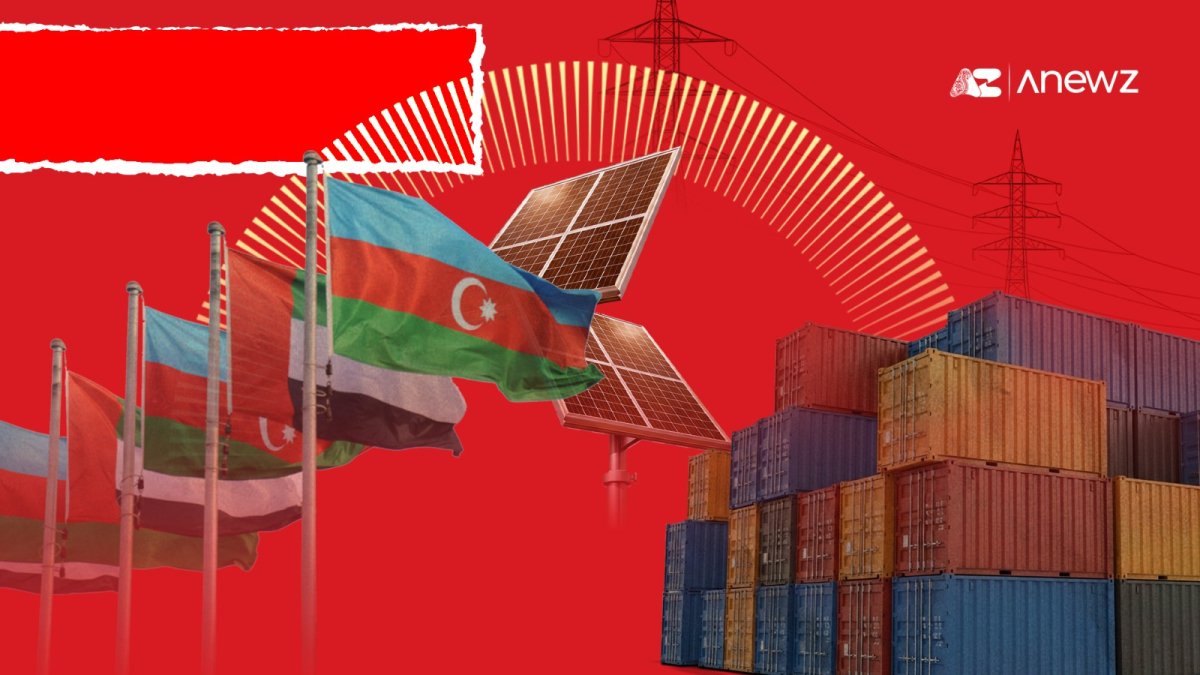
Economically, Azerbaijan and the UAE share complementary strengths. Azerbaijan’s energy resources, strategic geography, and growing emphasis on diversification align naturally with the UAE’s investment expertise, global financial networks, and innovation-driven economic model. Discussions between the two leaders underscore a shared ambition to deepen cooperation in energy, infrastructure, logistics, and emerging technologies. Importantly, this cooperation is not limited to hydrocarbons; it is increasingly embracing renewable energy, green transition, and sustainable development.
This is particularly significant at a time when global energy systems are undergoing profound transformation. Azerbaijan, with its experience as a reliable energy supplier and its growing renewable energy ambitions, and the UAE, a global leader in clean energy investment and climate diplomacy, are well positioned to collaborate on shaping a balanced energy future. Their partnership sends a strong signal that energy security and climate responsibility need not be mutually exclusive.
Beyond economics, the political dimension of Azerbaijan–UAE relations reflects a shared commitment to sovereignty, non-interference, and multilateral engagement. Both countries advocate dialogue over confrontation and stability over short-term gain. In a region often characterised by volatility, this approach offers a model of calm, constructive diplomacy—one that prioritises long-term regional balance and global responsibility.
Cultural and people-to-people ties further enrich this relationship. Both Azerbaijan and the UAE place strong emphasis on cultural heritage, social cohesion, and national identity while remaining open to global engagement. Expanding cooperation in education, culture, and youth exchanges will not only deepen mutual understanding but also invest in the next generation of leaders who will sustain this partnership in the decades ahead.
Leadership, however, remains the defining factor behind the success of this relationship. President Ilham Aliyev has demonstrated a steady hand in steering Azerbaijan through complex regional and global dynamics, ensuring national resilience while expanding international partnerships. His diplomatic outreach reflects confidence in Azerbaijan’s place in the global system and a clear vision for its future.
President Sheikh Mohamed bin Zayed Al Nahyan’s leadership, on the other hand, embodies adaptability and foresight. His emphasis on innovation, social cohesion, and diplomacy has allowed the UAE to navigate global uncertainty with remarkable agility. By prioritising dialogue, economic diversification, and global engagement, he has ensured that the UAE remains not only prosperous but also influential and respected.
Together, these leaders exemplify a form of diplomacy that is increasingly rare yet deeply necessary—one that balances national interests with global responsibility. Their engagement reflects an understanding that in today’s interconnected world, sustainable progress is achieved through cooperation, not isolation; through partnerships, not polarization.
For other emerging economies, the Azerbaijan–UAE partnership offers valuable lessons. It demonstrates how strategic vision, institutional stability, and leadership continuity can translate into international credibility and economic opportunity. It also highlights the importance of diversifying partnerships and embracing a multi-vector foreign policy in an era of shifting global power dynamics.
As the world grapples with economic uncertainty, climate challenges, and geopolitical realignment, partnerships like that of Azerbaijan and the UAE provide a glimpse into a more cooperative future. One where states invest in dialogue, prioritise sustainable development, and recognise that leadership is measured not by dominance, but by the ability to build bridges.
The meeting between Presidents Aliyev and Sheikh Mohamed bin Zayed was therefore more than a diplomatic engagement; it was a reaffirmation of a shared belief in constructive statecraft. It reflected confidence, mutual respect, and a commitment to shaping a stable, prosperous, and inclusive future.
In a time when global politics often feels reactive and fragmented, such moments of clarity and cooperation deserve recognition. They remind us that visionary leadership and principled diplomacy can still chart a path forward—one partnership at a time.
















What is your opinion on this topic?
Leave the first comment