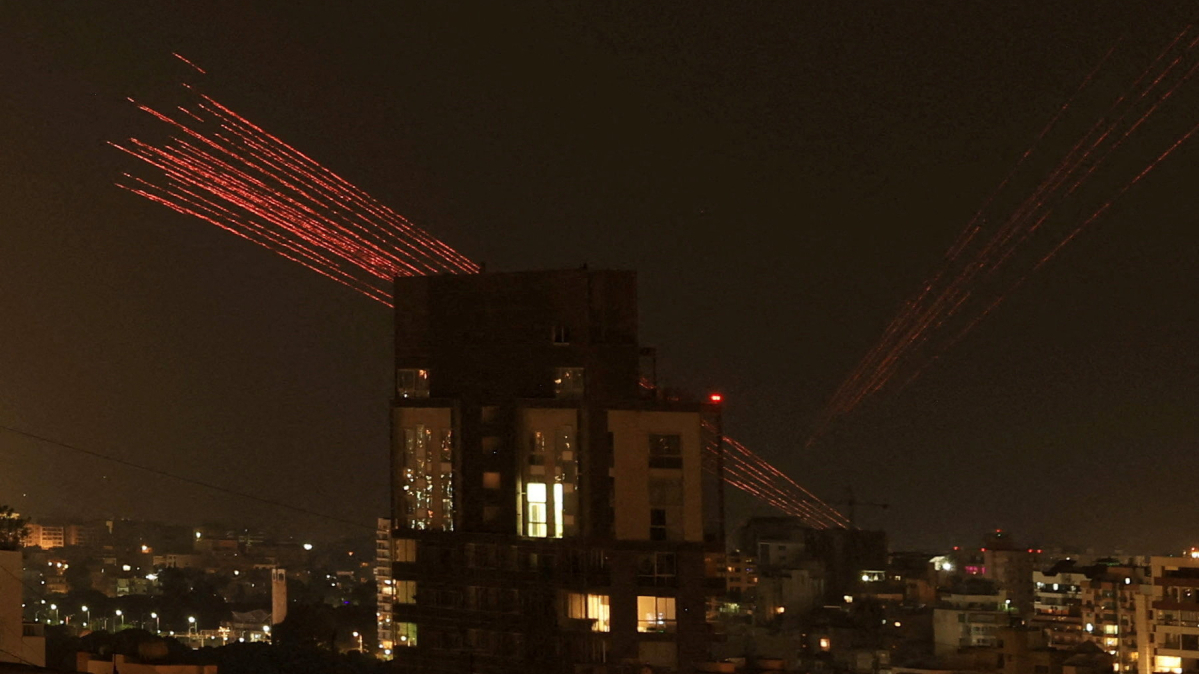
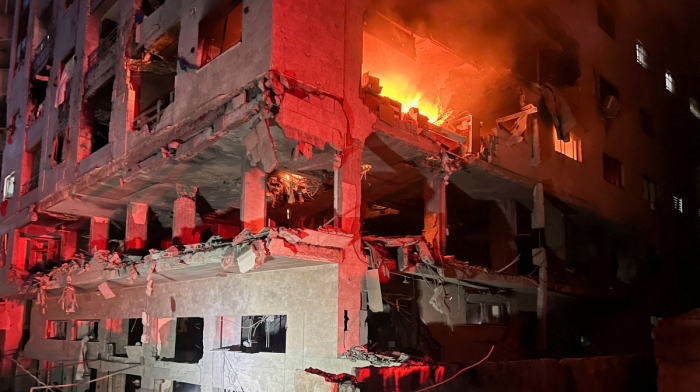
Nations and organisations and Beirut react positively to the ceasefire between Israel and Hezbollah in Lebanon. The Lebanese authorities negotiated the pause with Israel after an historic meeting on Tuesday in the U.S with President Donald Trump making the announcement on Thursday 16 April.
United Nations Secretary-General António Guterres said, in a post on X, "I welcome the announcement of a ceasefire between Israel & Lebanon, and commend the role of the U.S. in facilitating it. I hope this will pave the way for negotiations towards a long-term solution to the conflict & contribute to ongoing efforts toward a lasting & comprehensive peace in the region. I urge everyone to fully respect the ceasefire and to comply with international law at all times.
Guterres has been very vocal on the conflict and urged sides to maintain peace.
The Ministry of Foreign Affairs of the United Arab Emirates released a statement on X, highlighting the matter of maintaining international coordination even as temporary peace holds.
“The Ministry emphasized the importance of continued effective international coordination to prevent further escalation and avert its humanitarian and security repercussions in the region,” the statement reads.
“This step represents a pivotal moment in the path towards establishing national security and stability. The Ministry also affirmed the UAE’s unwavering commitment to supporting Lebanon’s unity, sovereignty, and territorial integrity, and its continued support for the brotherly Lebanese people in achieving their aspirations for security, stability, development, and prosperity.”
The UAE has been a target of drone attacks from Iran in the wider conflict, which started on 28 February by Israel and the U.S.
Ursula von der Leyen, President of the European Commission, welcomed the ceasefire. "Europe will continue to call for the full respect of Lebanon’s sovereignty and territorial integrity. And we will keep supporting the Lebanese people through substantial humanitarian aid," on a post on X.
António Costa, President of the European Council, who works closely with von der Leyen, called the agreement “excellent news” and stressed the need for implementation and verification. He wrote that the European Union will keep "empowering the authorities to disarm Hezbollah" and that this "is the only sustainable solution for restoring Lebanon’s stability".
The European Union has pledged more than €100 million in humanitarian aid to Lebanon.
Portugal’s Ministry of Foreign Affairs described on X how the ceasefire is an important step toward stability.
“This is a crucial step to avoid the terrible suffering of the Lebanese people and for the stability of the Middle East. It is essential that all parties respect it and transform this opportunity into lasting peace, in full respect for the sovereignty and territorial integrity of Lebanon,” the ministry stated.
Antonio Tajani, Italy's Foreign Minister, also said the move was "crucial step forward for the stability of the entire Middle East".
Jordan’s Ministry of Foreign Affairs and Expatriates welcomed the announcement and reiterated its support for Lebanon’s sovereignty.
“The Ministry of Foreign Affairs and Expatriates affirmed in a statement Jordan's absolute support for the Lebanese state in asserting its control and sovereignty over all Lebanese territories, confining arms to the hands of the state, reactivating its national institutions, the reform steps it has taken, and its efforts to preserve Lebanon's resources and the safety and unity of its lands,” it said.
Other nations affected by strikes during the wider Middle East conflict have spoken out. Oman's Ministry of Foreign Affairs says they welcomed the ceasefire and joined their counterpart in Saudi Arabia in expressing importance to adhering to it and the stakeholders who helped reach it.
Read more:










What is your opinion on this topic?
Leave the first comment