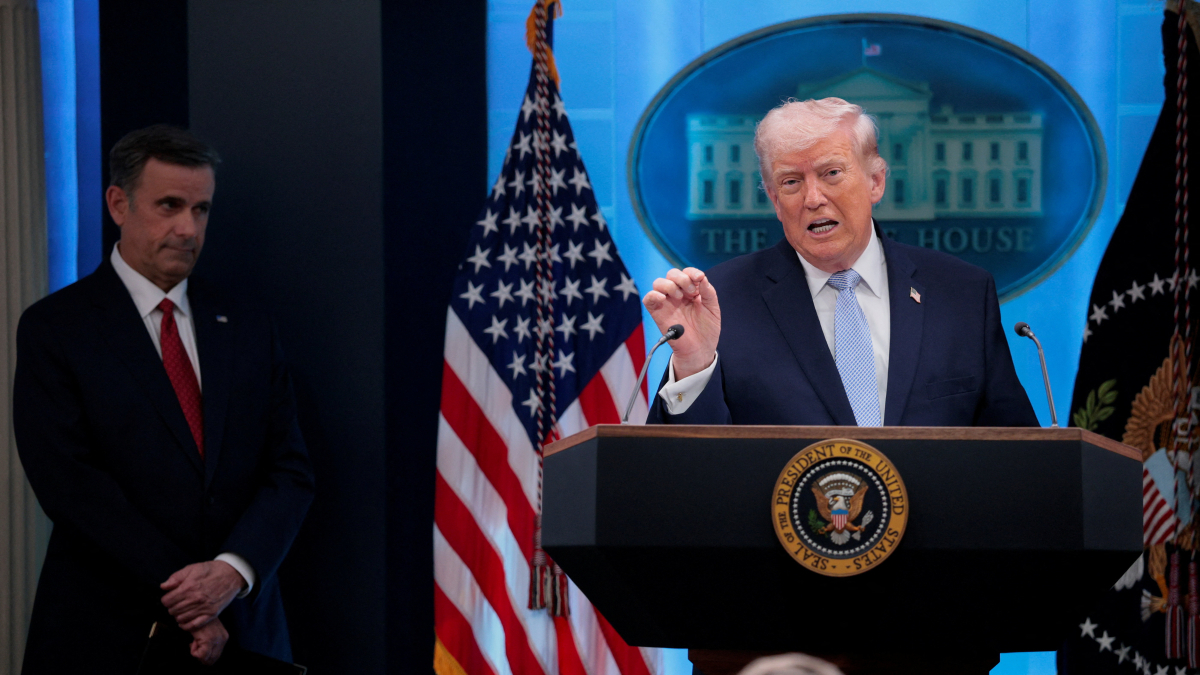
U.S. President Donald Trump on Monday told reporters that Iran could be taken out in one night, "and that night might be tomorrow night," warning Tehran it had to make a deal by Tuesday night or face wider bombing raids.
⦿ 18:32 GMT | UPDATE
Free traffic of oil through Hormuz must be part of Iran deal
President Donald Trump told repoters that Iran had to agree to a deal with the U.S. that was acceptable to him by Tuesday deadline, and that free traffic of oil through the Strait of Hormuz must be part of it.
⦿ 18:00 GMT | UPDATE
Trump says Iran could be 'taken out' on Tuesday
U.S. President Donald Trump told reporters that Iran could be taken out in one night, “and that night might be tomorrow night,” warning Tehran that it must make a deal by Tuesday night or face the consequences.
He said the United States had an active and willing participant on the other side in talks with Iran, adding that Tehran would like to reach a deal.
Trump had earlier vowed to enforce a Tuesday night deadline for Iran to agree to a ceasefire or face broad attacks on power plants and other critical infrastructure.
"The entire country can be taken out in one night, and that night might be tomorrow night," he told a White House press conference.
⦿ 17:54 GMT | UPDATE
Two Qatari LNG tankers stopped by Iran's Revolutionary Guards
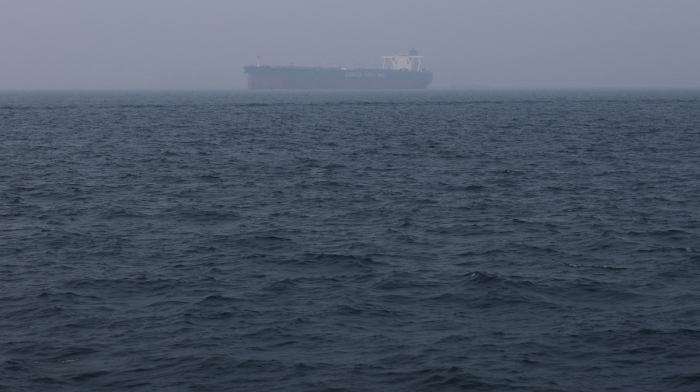
Iran's Revolutionary Guards stopped two Qatari liquefied natural gas tankers headed toward the Strait of Hormuz earlier on Monday before transit and ordered them to hold position without explanation.
The source said the tankers had been listed as among those Iran would allow to transit under an Iran-U.S. agreement reached last week via Pakistan.
⦿ 17:47 GMT | UPDATE
Trump proposes to cut 9,400 TSA workers
The White House is proposing to cut more than 9,400 workers and just over $1.5 billion from the 60,000-employee Transportation Security Administration that handles airport security operations, according to budget documents.
The White House said privatising the smaller airports would cut the TSA payroll by more than 4,500 jobs. The TSA proposes to cut another 4,800 jobs by improving efficiency, ending staffing at exit lanes and eliminating redundancies.
⦿ 17:42 GMT | UPDATE
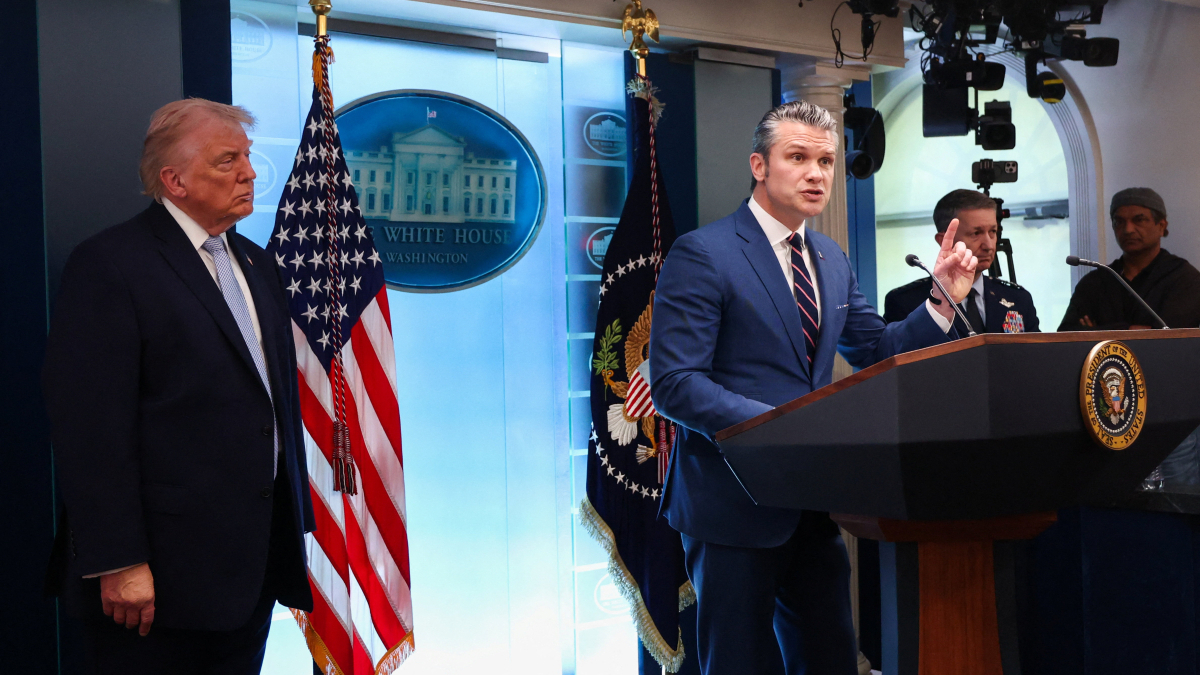
Hegseth warns Monday will be largest volume of strikes
U.S. Defence Secretary Pete Hegseth told reporters that the largest volume of strikes since day one of the operation against Iran would take place on Monday and warned that Tuesday would have even more.
“Today will be the largest volume of strikes since day one of this operation,” said Hegseth, repeating a claim he has made on multiple occasions throughout the war.
⦿ 17:24 GMT | UPDATE
Brent crude tops $110 as Trump’s Iran remarks keep oil market on edge
Anadolu
Brent crude futures climbed above $110 per barrel on Monday as markets reacted to President Trump’s remarks on Iran and the ongoing risk of supply disruptions through the Strait of Hormuz.
Global benchmark Brent was up 1.5% at $110.56 per barrel, extending sharp swings in recent sessions as traders weighed mixed signals on whether the conflict could move toward de-escalation or worsen.
⦿ 17:19 GMT | UPDATE
Netanyahu praises Israel’s strike on Iranian petrochemical facility
The Israeli Prime Minister stated that the strike on the petrochemical plant linked to the South Pars gas field is aimed at curbing the IRGC’s “money machine.”
“We are destroying factories, we are destroying activists and we continue to destroy senior officials,” the Israeli prime minister said in a social media post.
⦿ 16:42 GMT | UPDATE
Kuwait intercepts 14 ballistic missiles, 2 cruise missiles
Anadolu
Kuwait’s air defences intercepted 14 ballistic missiles, two cruise missiles, and 46 drones over the past 24 hours, the country’s Defence Ministry said.
It added that since the beginning of the war, its forces have dealt with a total of 350 ballistic missiles, 15 cruise missiles, and 786 drones.
⦿ 16:10 GMT | UPDATE
Trump says Iran has not taken chances to end conflict
U.S. President Donald Trump said on Monday he is upset with Iran and warned it would pay a high price, adding that Tehran has failed to take the opportunities he offered to end the conflict.
He added that the Tuesday deadline he has set for Iran to make a deal is final and unlikely to be extended, calling Iran's peace proposal significant but not good enough.
⦿ 15:33 GMT | UPDATE
Iran's citizens still in internet blackout
NetBlocks/X
Internet monitoring site NetBlocks reports most of the general public in Iran is without international networks after 38 days. Government officials and whitelisted accounts still have access. NetBlocks say this is Iran's longest ever continual blackout on record.
⦿ 15:17 GMT | BREAKING
Iran rejects ceasefire proposal - state media
IRNA via Iran International
Iran has rejected the ceasefire proposal and has called for a permanent end to the conflict on its own terms, state media IRNA reports.
The response, IRNA says, “comprehensive reviews" were made "at the highest levels of the system". Tehran officials rejected the proposal citing past experiences and needing a lasting solution for peace - with Iran's interests and considerations.
Rejection of the proposal came alongside a scathing critique of U.S. heliborne operations which Iran called a “catastrophic failure”.
Over at The White House in Washington DC, U.S. President Donald Trump tells reporters that the U.S. will destroy power plants in Iran if no deal is struck, Iran can't have a nuclear weapon and they had sent guns to Iran.
⦿ 13:52 GMT | UPDATE
Iranian, Turkish foreign ministers discuss war in call
Reuters
Turkish Foreign Minister Hakan Fidan and Iranian counterpart Abbas Araghchi discussed the Iran conflict and other developments in a call on Monday, a Turkish foreign ministry source said.
The source gave no further information on the talks.
⦿ 13:12 GMT | UPDATE
Iran's Marvdasht Petrochemical complex attacked
Reuters
Iran's Marvdasht petrochemical complex was attacked by the United States and Israel, Iran's state media reported, the second incident targeting petrochemical sites in last 24 hours.
State media said the fire caused by the attack was under control and there was no significant damage reported.
⦿ 12:57 GMT | UPDATE
EU Council chief says escalation in Iran 'will not achieve ceasefire and peace'
European Council President António Costa said that escalation in Iran will not bring a ceasefire or peace, and called for negotiations to continue.
"Escalation will not achieve a ceasefire and peace. Only negotiations will, namely the ongoing efforts led by regional partners," Costa said on X.
⦿ 12:20 GMT | UPDATE
Oil prices fall after U.S. and Iran receive ceasefire framework proposal
Oil prices fell in choppy trade on Monday, as investors awaited clarity on the status of talks between the U.S. and Iran and remained wary about sustained supply losses due to shipping disruptions.
The pricing moves in Asia trading on Monday were dwarfed by an 11% surge for WTI and an 8% rise for Brent during the previous trading session on Thursday.
⦿ 12:00 GMT | UPDATE
IAEA confirms impact of recent strike near Iran’s Bushehr nuclear plant
The International Atomic Energy Agency said it can confirm recent impacts of military strikes close to Iran's Bushehr nuclear power plant, but said that the plant itself was not damaged.
The UN atomic watchdog said that the confirmation was based on its independent analysis of new satellite imagery and detailed knowledge of the site, adding that one strike had hit only 75 metres from the site perimetre.
⦿ 11:33 GMT | UPDATE
Iran’s Revolutionary guards target U.S. and Israel-linked ships
Iran's Revolutionary Guards targeted the U.S. amphibious assault ship LHA-7, pushing it to retreat into the southern Indian Ocean, Iranian state media reported on Monday.
The Guards also targeted a container ship which they said belonged to Israel with the identifier 'SDN7', without disclosing its location.
⦿ 11:26 GMT | UPDATE
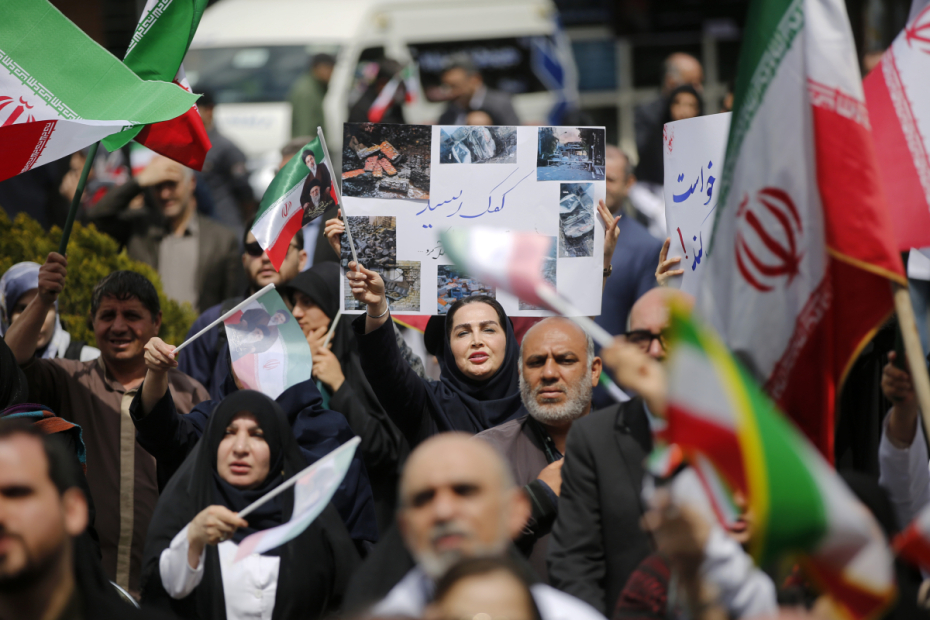
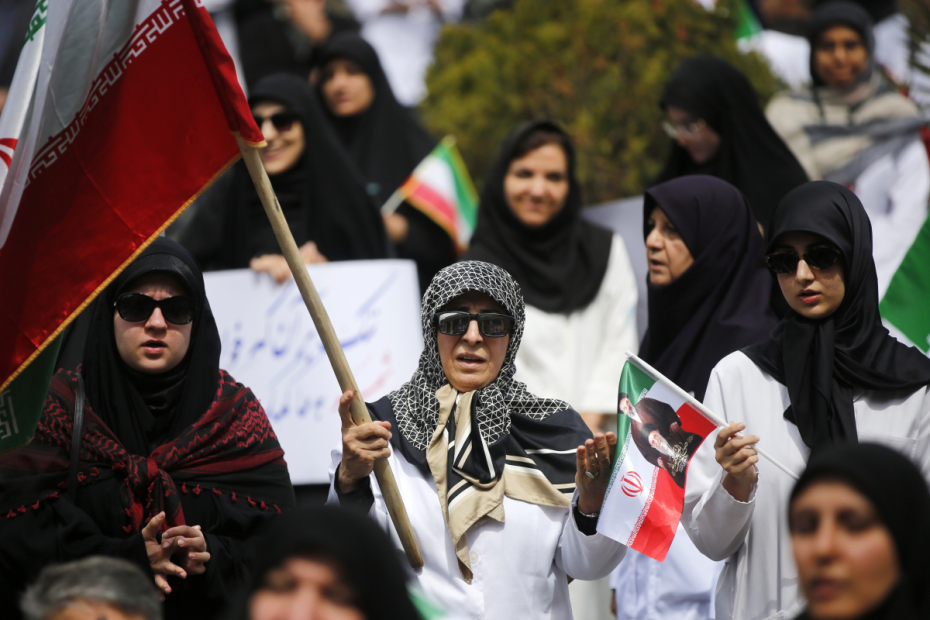
Healthcare workers in Tehran protest U.S.-Israel strikes on hospitals
Anadolu
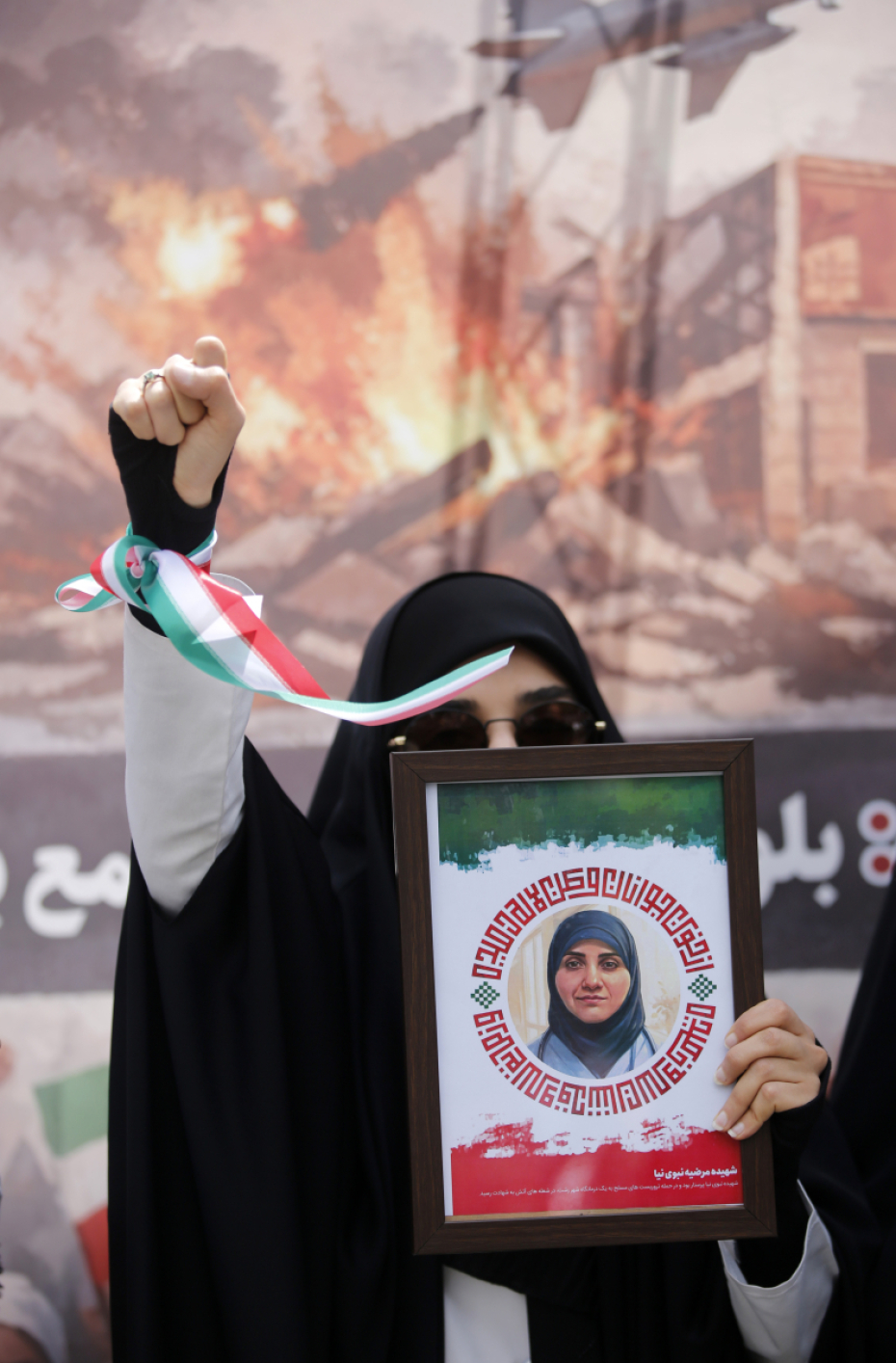
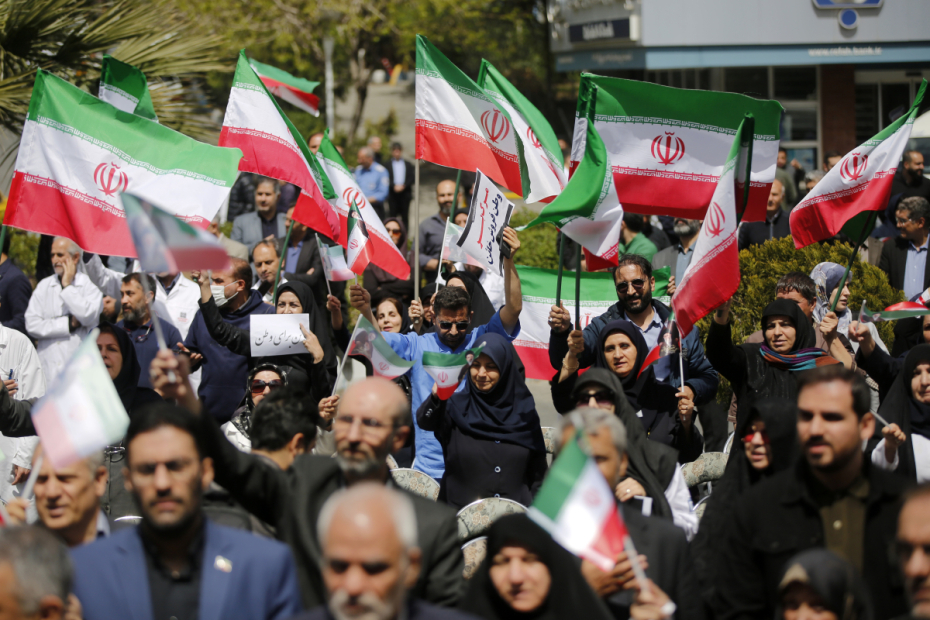
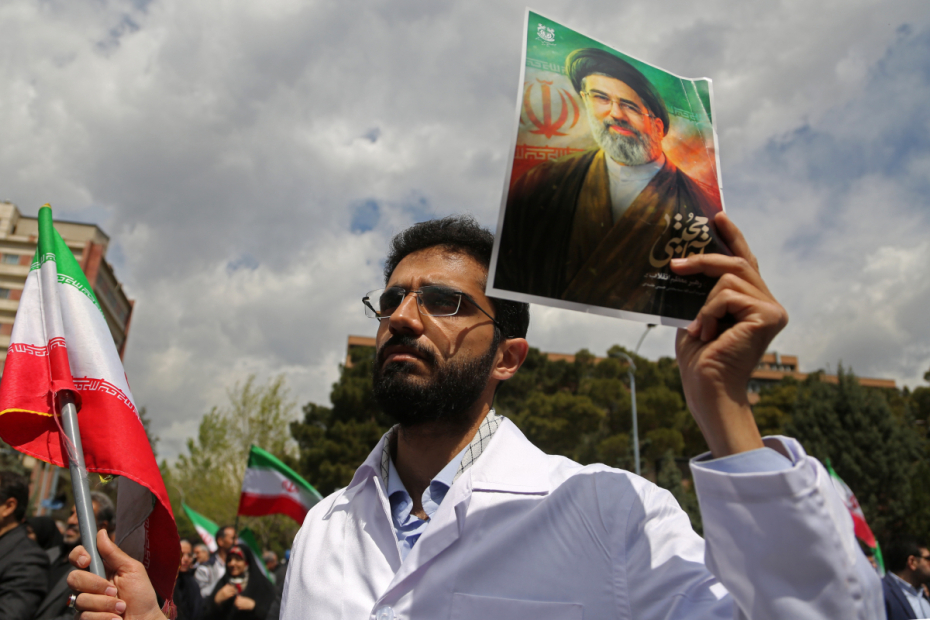
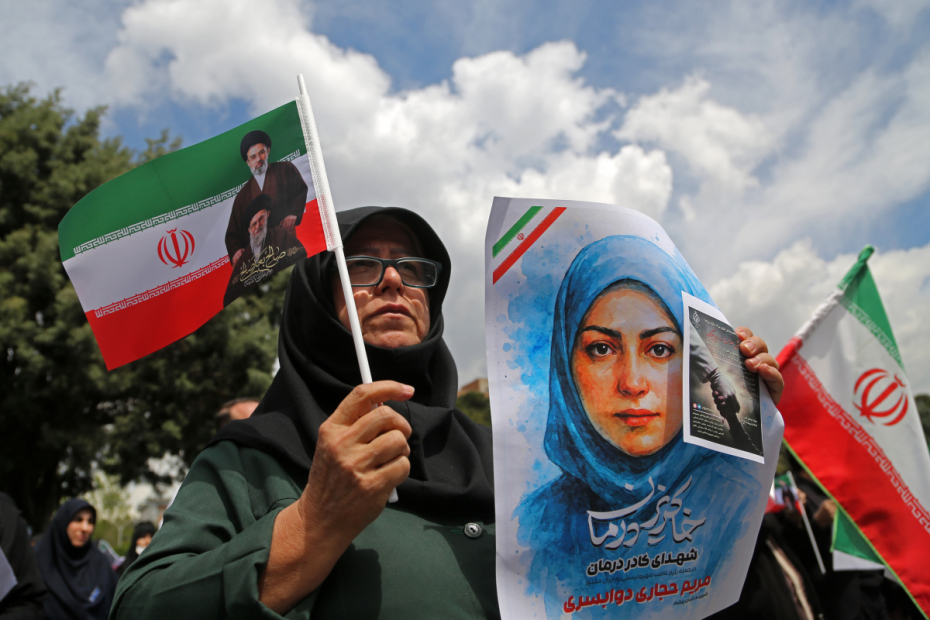
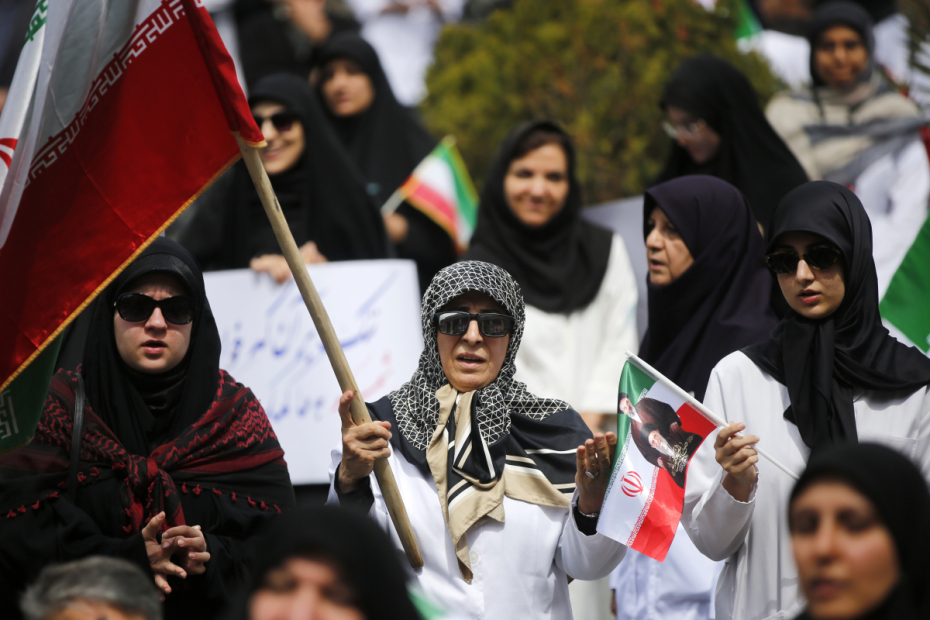
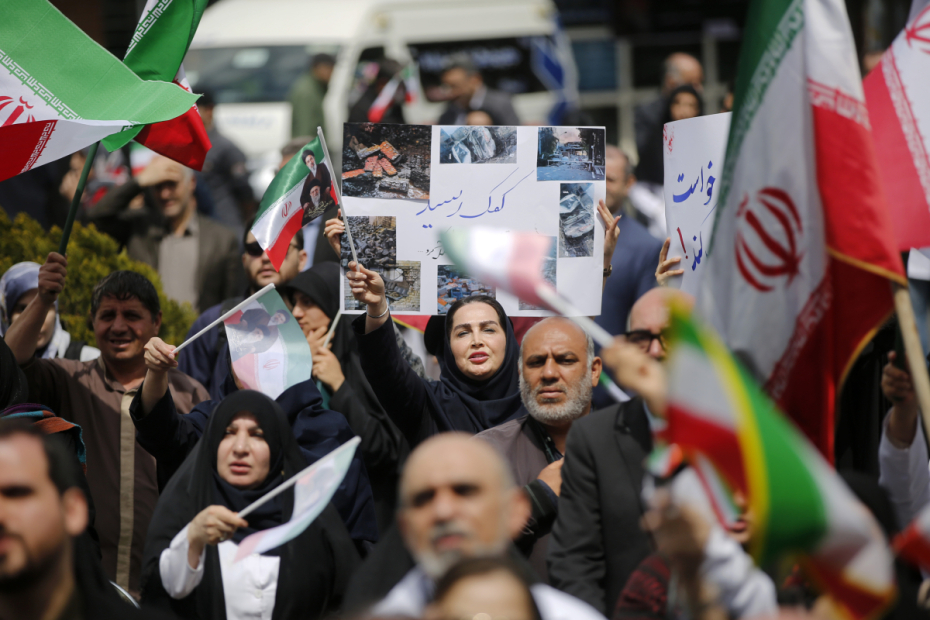
Doctors and medical students in Tehran held a protest denouncing Israeli and U.S. attacks on hospitals and healthcare facilities amid ongoing strikes across Iran.
Gathering inside the grounds of Imam Khomeini Hospital, the demonstrators chanted slogans, carried Iranian flags, and held photographs of medical personnel killed in the attacks.
⦿ 10:44 GMT | UPDATE
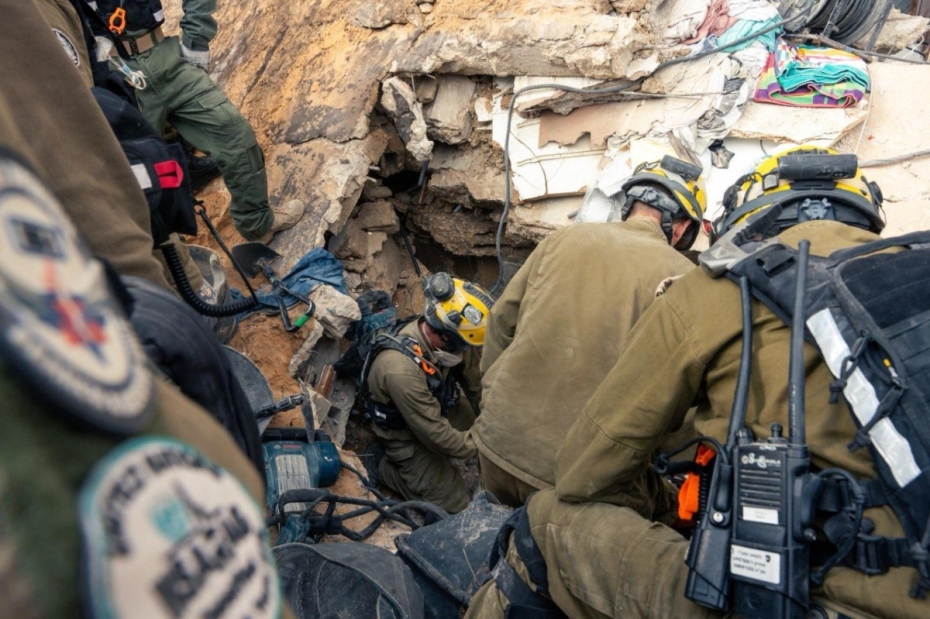
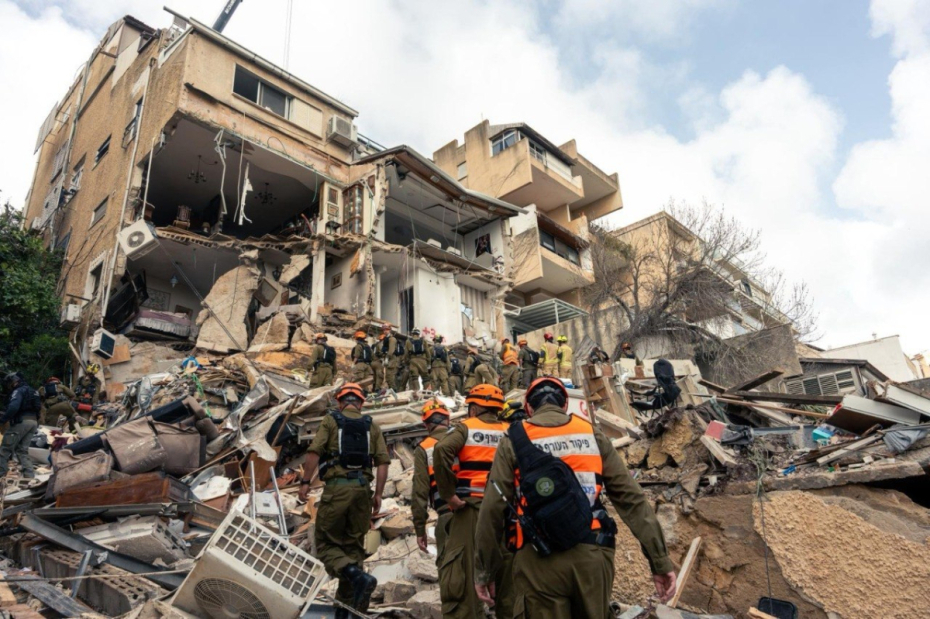
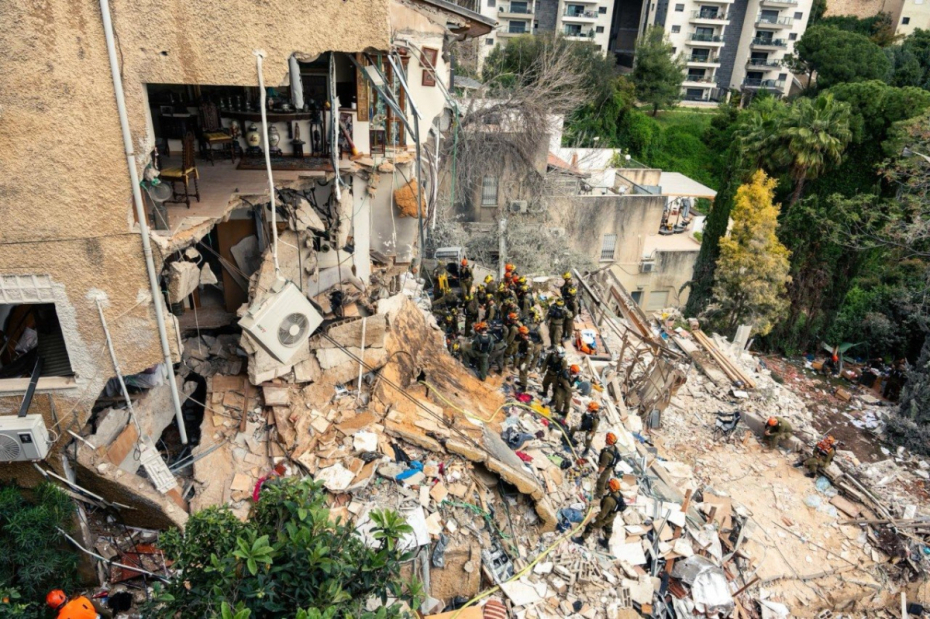
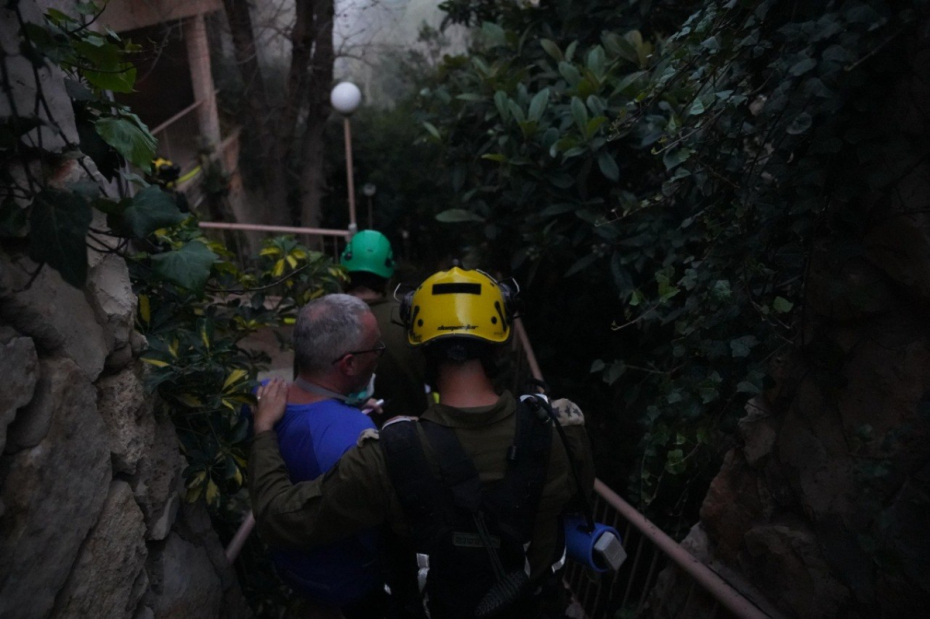
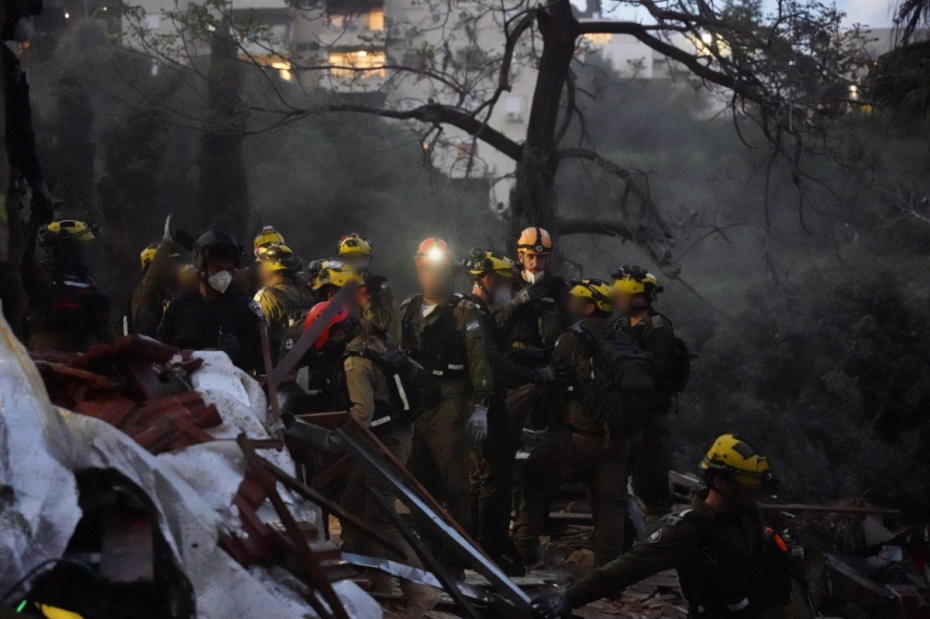
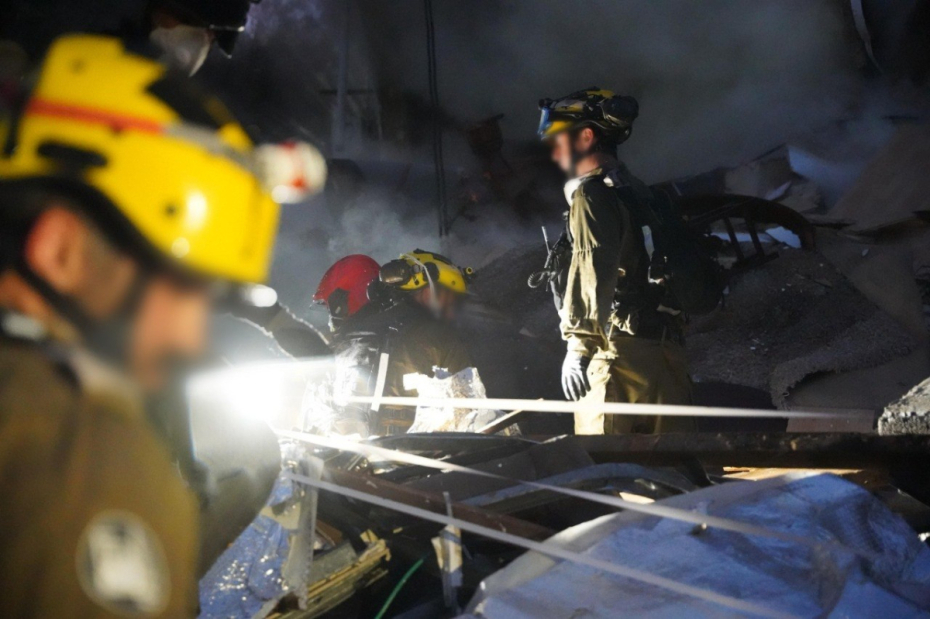
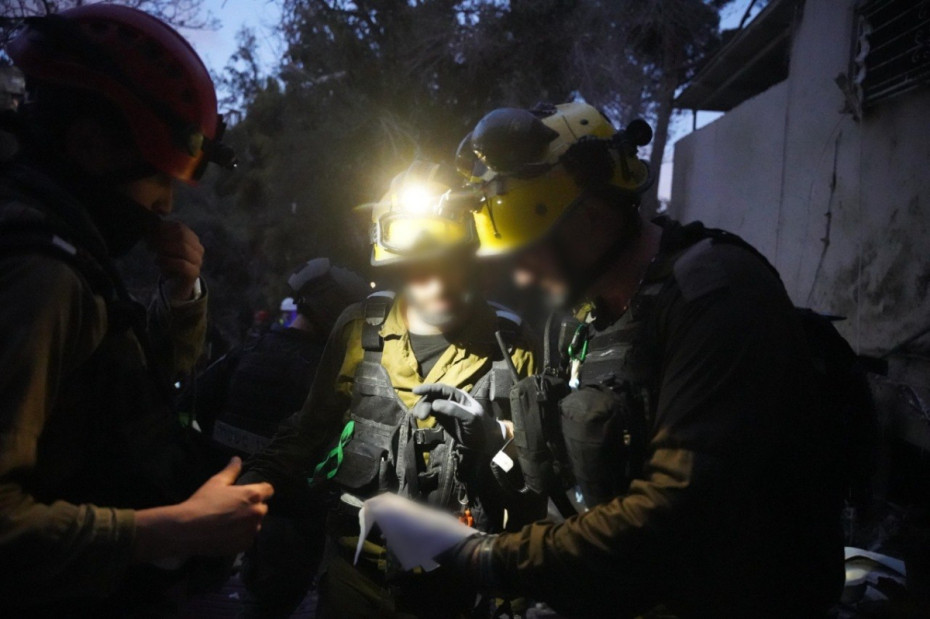
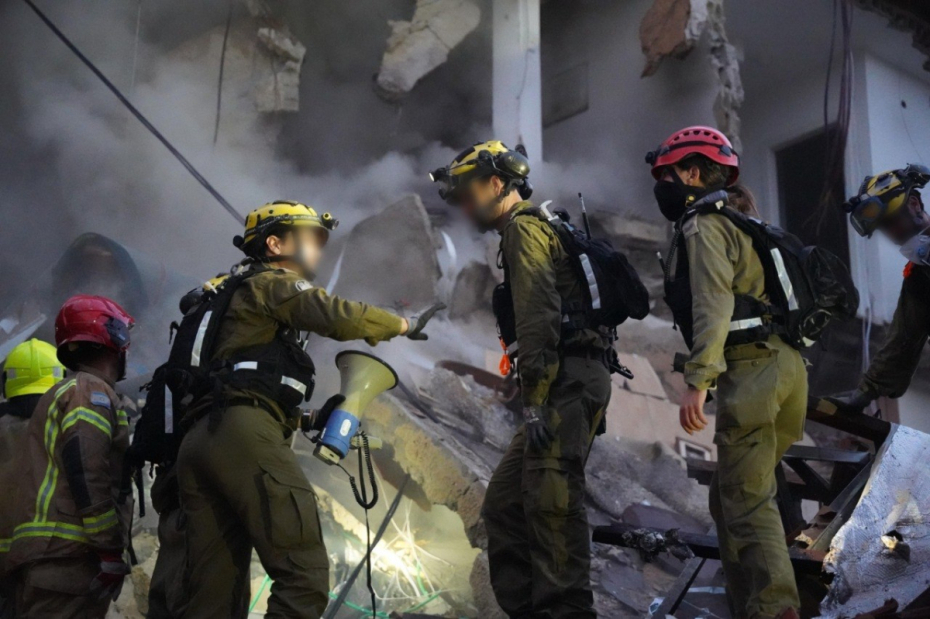
Four killed in Haifa after Iranian missile strike hits residential building - Israel Media
Reuters
An Israeli media report states that four people were killed in the port city of Haifa after what it described as an Iranian missile strike hit a residential building late Sunday.
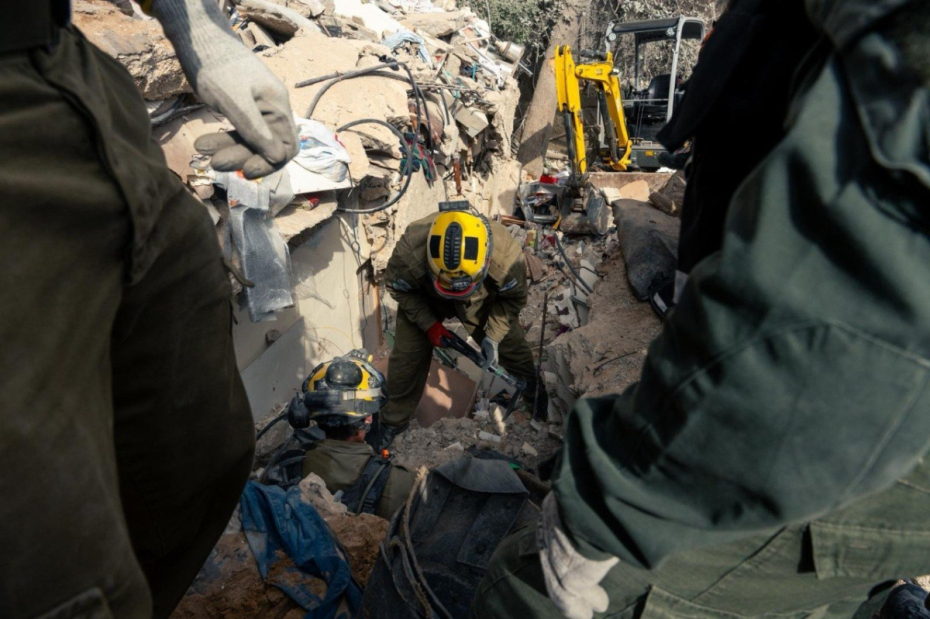
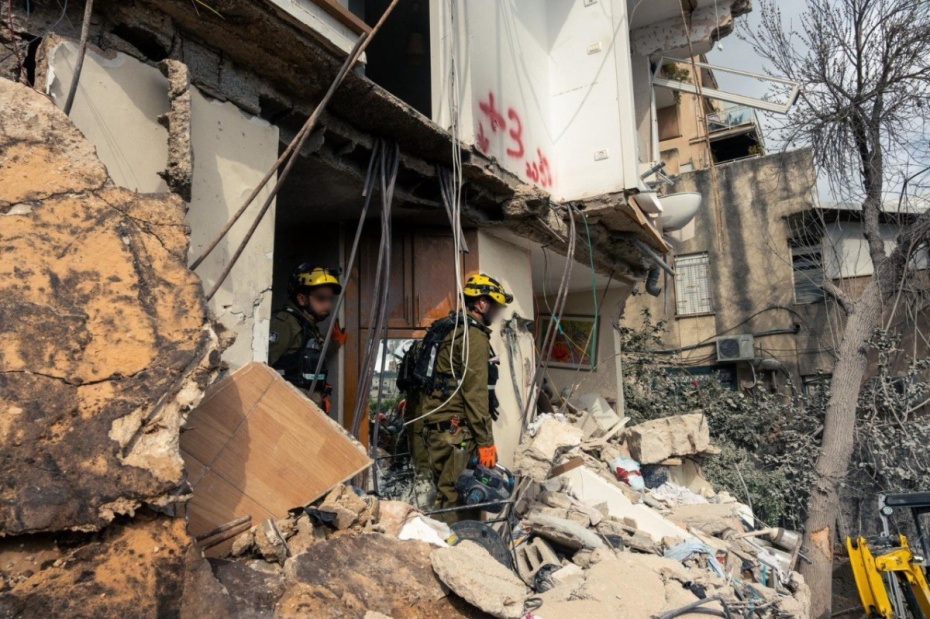
A BBC report said the bomb had failed to explode on impact and was still live when rescue teams arrived at the scene, further complicating the search and rescue efforts.
The Israeli military said the victims’ bodies were recovered from beneath the rubble following hours of intensive search‑and‑rescue efforts on Monday.
⦿ 10:34 GMT | UPDATE
Kremlin warns Middle East 'on fire' after Donald Trump threats against Iran
Reuters
The Kremlin says the Middle East is “on fire” after Donald Trump threatened strikes on Iran. Tensions are rising fast, with warnings of a wider regional conflict if escalation continues.
⦿ 09:36 GMT | UPDATE
Iran finalises response to ceasefire proposals, foreign ministry says
Reuters
Iran has formulated its positions and demands in response to recent ceasefire proposals conveyed through intermediaries, foreign ministry spokesperson Esmaeil Baghaei said on Monday.
Baghaei stated that negotiations are “incompatible with ultimatums and threats,” adding that earlier U.S. proposals were rejected for being excessive. He emphasised that Iran’s stance reflects its national interests and confidence in defending its positions.
“We have formulated our own responses,” he said, noting that further details will be announced in due course.
⦿ 09:17 GMT | UPDATE
U.S. and Israel are accused of striking Iran’s AI infrastructure at Sharif University
Anadolu
The Iranian media reported that recent U.S.-Israeli attacks targeted the artificial intelligence infrastructure at Sharif University of Technology, one of Iran’s most prestigious academic institutions. Anadolu cited Fars News Agency, saying the strikes hit the university’s data center, which supports the country’s national AI platform as well as thousands of digital services.
In a video message recorded at the site, Rector of the institution, Masoud Tajrishi, condemned the attack, saying that “Sharif University of Technology is a scientific institution dedicated to the advancement of culture and science, and it has been harmed by the brutality of the enemies of this land.”
⦿ 09:03 GMT | UPDATE
Iran warns UN inaction is emboldening attacks on nuclear sites
Reuters
Iran’s atomic energy chief, Mohammad Eslami, accused the UN nuclear watchdog of inaction, saying its failure to respond decisively has “emboldened aggression” against Iran’s nuclear facilities. In a letter to the International Atomic Energy Agency (IAEA) director, Eslami said the Bushehr power plant has been targeted four times, including a 4 April strike that killed a security staff member and injured others.
He warned that repeated attacks near an operating reactor risk releasing radioactive material, causing “irreparable consequences” for people, the environment and neighboring states. Eslami called the strikes a clear breach of international law and criticised what he described as the agency’s weak response, arguing that expressions of concern alone only encourage further attacks.
⦿ 08:54 GMT | UPDATE
Turkish-owned tanker 'Ocean Thunder' safely transits the Strait of Hormuz
Anadolu
The Minister of Transport and Infrastructure, Abdulkadir Uraloğlu, said the Turkish-owned oil tanker Ocean Thunder, carrying crude loaded in Iraq and bound for Malaysia, safely passed through the Strait of Hormuz last night and exited the Gulf without incident.
With this transit, Uraloğlu noted that three ships stranded in the Gulf since the start of the war have now successfully cleared the strait.
He further added that the number of Turkish-owned vessels remaining near the strait has fallen to 12, while eight ships are still awaiting clearance to depart.
⦿ 08:32 GMT | UPDATE
Iran targets satellite gear, munitions at U.S. site on Kuwait’s Bubiyan Island
Reuters
Iran targeted U.S. forces stationed on Kuwait’s Bubiyan Island, the spokesperson for Iran’s Khatam al‑Anbiya Central Headquarters said in a video statement shared by state media on Monday.
Ebrahim Zolfaqari stated that Iranian drones struck satellite equipment and munitions on the island, adding that U.S. troops had moved there from Camp Arifjan after that base was repeatedly hit by Iranian attacks.
Bubiyan Island, the largest in Kuwait’s chain of coastal islands, sits in the northwestern Gulf, making it strategically significant amid the ongoing regional conflict.
⦿ 07:53 GMT | UPDATE
Projectile debris injures six in Kuwait
Reuters
Six injured after debris from Iranian strike falls on residential area in northern Kuwait, health ministry says.
⦿ 07:40 GMT | UPDATE
Iran confirms the death of Major General Majid Khademi
Anadolu
Iranian state media has confirmed that the commander of the Iranian Revolutionary Guard Corps Intelligence Organization, Majid Khademi, was killed in a U.S.-Israeli attack.
⦿ 07:29 GMT | UPDATE
Iran Official: The U.S. is not ready for a permanent ceasefire
Reuters
Reports from Reuters say a senior Iranian official told the agency that Tehran believes the U.S. is not ready for a permanent ceasefire.
The report further said the official said Iran will not open the Strait of Hormuz in exchange for a temporary ceasefire and added that Tehran will not accept deadlines and pressure to make a decision.
⦿ 07:17 GMT | UPDATE
We have received and are reviewing Pakistan's proposal - Iran Senior Official
Reuters
Reuters news agency reports that they have received confirmation from a senior Iranian official that Tehran has received and is reviewing a proposal to end the conflict from Pakistan.
⦿ 07:06 GMT | UPDATE
Iran Deputy FM says Trump's threats to hit infrastructures could be war crimes
Anadolu
Iran’s Deputy Foreign Minister Kazem Gharibabadi said that U.S. President Donald Trump’s threats to strike Iranian power plants and bridges amount to publicly threatening war crimes. He argued on X that Trump, as the top U.S. official, was openly endorsing actions that violate international law.
Gharibabadi added that targeting civilian infrastructure such as energy facilities and bridges is explicitly defined as a war crime under Article 8(2)(b) of the Rome Statute of the International Criminal Court, stressing that such threats highlight the unlawful nature of the U.S. approach.
He also recommended that President Trump should cease making such threats before his name goes down in history as a "Super war criminal".
⦿ 06:51 GMT | UPDATE
Another Indian-flagged LPG vessel crosses the Strait of Hormuz
Anadolu
India said its LPG tanker Green Asha, flying the Indian flag, successfully passed through the Strait of Hormuz, following the Green Sanvi, which transited the waterway on 3 April. The government added that the last remaining Indian‑flagged liquefied petroleum gas (LPG) vessel in the area, the Jak Vikram, is awaiting instructions from the Indian Navy before making its passage.
The Strait of Hormuz has faced major disruptions since the U.S.–Israeli attacks on Iran triggered wider conflict, sharply affecting global shipping. The repeated tanker delays have contributed to rising oil prices and higher shipping and insurance costs, deepening concerns over the impact on the global economy.
⦿ 06:07 GMT | UPDATE
UAE: Trust is impossible under the current Tehran government
Reuters
UAE presidential diplomatic adviser Anwar Gargash said any settlement to the U.S.–Iran war must guarantee free passage through the Strait of Hormuz, warning that a deal which ignores Iran’s nuclear programme and its missile and drone capabilities would leave the region more unstable. He stressed that the strait cannot be weaponised or held hostage, calling its security a global economic necessity rather than a regional bargaining chip.
He said the leadership in Iran is focused on preserving the "regime, not the country." Backing this claim, he argued that no normal government would accept such destruction simply for the sake of resistance. He warned that trust was impossible under the current government in Tehran.
Gargash said the UAE wants the conflict to end but cautioned against a ceasefire that leaves core problems unresolved. He noted that Iran’s strikes on Gulf energy sites and shipping lanes are pushing Gulf states closer to Washington, not further away, and emphasized that the UAE remains resilient despite heavy attacks.
⦿ 05:36 GMT | UPDATE
Fourth execution in Iran over January unrest case
Reuters
Iran has executed Ali Fahim, who was convicted of attempting to storm a military site and access its armoury during unrest in January, state media reported. His execution followed the Supreme Court’s decision to uphold his sentence.
Authorities have already executed three others connected to the same incident: Amirhossein Hatami last week, and Mohammadamin Biglari and Shahin Vahedparast on Sunday.
According to Amnesty International, another defendant in the case is believed to be at imminent risk of execution.
Officials said the group had attempted to seize weapons and military equipment during the protests, labeling them “rioters” acting against national security.
⦿ 05:15 GMT | UPDATE
Israel says it has completed a wave of strikes on targets in Tehran
IDF Telegram
Israel’s military on Monday said that it had completed a series of strikes on what it described as “regime targets” in Tehran.
In a statement posted on Telegram, the Israel Defense Forces said: “A short while ago, the IDF completed a wave of strikes on Iranian terror regime targets in Tehran.”
The announcement came shortly after Iranian media reported attacks on residential areas in the capital earlier in the day.
⦿ 05:05 GMT | UPDATE
South Korean Lawmakers say North Korea seems to be keeping a distance from Iran
Reuters
North Korea appears to be distancing itself from Iran during the ongoing conflict, refraining from supplying weapons or issuing public diplomatic messages since the war began, South Korean lawmakers said Monday, citing briefings from the National Intelligence Service.
The lawmakers shared the assessment with reporters following their closed‑door meeting with the country’s spy agency.
⦿ 04:50 GMT | UPDATE
Buildings collapse in Tehran as joint U.S.–Israeli strikes kill at least 17 people
Anadolu
Anadolu Agency reports that at least 17 people were killed early Monday, 6 April, in joint U.S.–Israeli attacks across Iran, according to local media.
In eastern Tehran, three buildings collapsed and roughly 50 homes were damaged, Mehr News Agency reported. The outlet said four people died and seven were injured, with search‑and‑rescue teams still working at the scene.
Earlier the same day, the report states that 13 more fatalities were reported in Baharestan county in Tehran province, where U.S. and Israeli forces bombed two residential units in the town of Qaleh Mir, Fars News Agency said. The governor noted that debris removal and rescue efforts were ongoing.
No official statement has yet been issued on the full extent of damage, though air defence systems were activated and strikes about two hours earlier had reportedly targeted Sharif University of Technology.
⦿ 04:44 GMT | UPDATE
Potential 45‑Day ceasefire under discussion between the U.S. and Iran – Report
Reuters
The U.S., Iran and several regional mediators are reportedly negotiating terms for a possible 45‑day ceasefire that could serve as a pathway to a permanent end to the conflict, Axios reported on Sunday, citing multiple U.S., Israeli and regional sources with knowledge of the discussions.
Reuters said it could not independently verify the report.
⦿ 04:39 GMT | UPDATE
Six children killed by U.S.-Israel strikes on Monday - Iran State Media
Reuters
Reuters reports that Iranian state media reports that six children were killed in a U.S.–Israeli strike on Tehran on Monday morning, citing emergency services.
⦿ 04:34 GMT | UPDATE
Debris from an intercepted projectile injures a Ghanaian in Abu Dhabi’s Mussafah Industrial Area
Reuters
A Ghanaian was injured in the Mussafah Industrial Area after debris fell from a projectile that had been intercepted by the country’s air defence system.
Iran has vowed to target U.S. assets across the region, and Abu Dhabi has been hit by several missile and drone attacks linked to the escalating tensions.
⦿ 04:28 GMT | UPDATE
Iran FM: Targeting Iran's energy facility is a war crime
Reuters
Iranian Foreign Minister Seyed Abbas Araghchi spoke with Russian counterpart Sergei Lavrov over the phone about the intensifying conflict involving the U.S., Israel, and Iran. Araghchi condemned ongoing attacks on Iranian industrial sites, civilian infrastructure, and nuclear facilities, calling for immediate action from international bodies, especially the International Atomic Energy Agency (IAEA), to hold the aggressors accountable.
He also warned that U.S. threats to target Iran’s energy facilities amount to open admissions of war crimes.
Russia echoed Iran’s concerns, urging an end to what it called “reckless and illegal” strikes on civilian and energy sites, including the Bushehr nuclear plant. Moscow warned that continued attacks risk endangering workers and triggering a regional radioactive disaster.
⦿ 04:13 GMT | UPDATE
Missiles seen flying over Haifa and the West Bank at dawn
Reuters
Missiles were seen crossing the horizon over Israel at dawn on Monday, 6 April, as air raid sirens blared throughout Haifa. Projectiles were spotted overhead over Hebron in the West Bank.
These sightings follow a deadly attack on Sunday in Haifa, where rescue teams recovered two bodies from the wreckage of a residential building destroyed by an Iranian strike.
The escalation comes amid a looming deadline by U.S. President Donald Trump to open the Strait of Hormuz, or Iran will be 'Living in Hell'.
The U.S.-Israel-Iran conflict, which resulted in Iran's blockade of the Strait, has already claimed thousands of lives, ignited a global energy crisis, and continues to threaten the stability of the world economy.
⦿ 03:40 GMT | UPDATE
Two bodies recovered following an Iranian missile strike on a Haifa residential building
Reuters
Israeli media reports that rescuers have recovered two bodies from the rubble of a residential building in Haifa, while nine people were being treated for injuries after an Iranian missile hit it on Sunday.
⦿ 03:14 GMT | UPDATE
At least five killed after U.S.-Israel strike in Tehran on Monday morning
Anadolu Agency
According to Anadolu Agency, Qom Deputy Governor Morteza Heydari said that at least five people were killed when a missile struck a residential building in the Iranian city of Qom early Monday.
Heydari said search and rescue operations for survivors are still underway.
Previously, the governor of Qom province, Akbar Behnamjou, said that about 1,000 civilian buildings had been damaged in the city since 28 February, when the U.S.-Israeli offensive on Iran started, with about 106 people killed, including 30 security personnel.
⦿ 02:59 GMT | BREAKING
Expect much more 'devastating and widespread' retaliation if civilians are hit - Iran Military
AFP
Iran's central military command issued a warning on Monday, telling its adversaries to expect "much more devastating" retaliation if civilian targets are hit.
The statement was made public by a spokesman for the Khatam al-Anbiya Central Headquarters, who posted on Telegram, saying, "If attacks on civilian targets are repeated, the next stages of our offensive and retaliatory operations will be much more devastating and widespread."
The warning came after U.S. President Donald Trump threatened to destroy Iran's civilian infrastructure, demanding Tehran bow to his demands for a deal to reopen the Gulf to shipping.












What is your opinion on this topic?
Leave the first comment