In an urgent response to escalating global energy instability, South Korean Presidential Chief of Staff Kang Hoon-sik announced on Tuesday that he will embark on a high-stakes diplomatic tour to Kazakhstan, Oman, and Saudi Arabia.
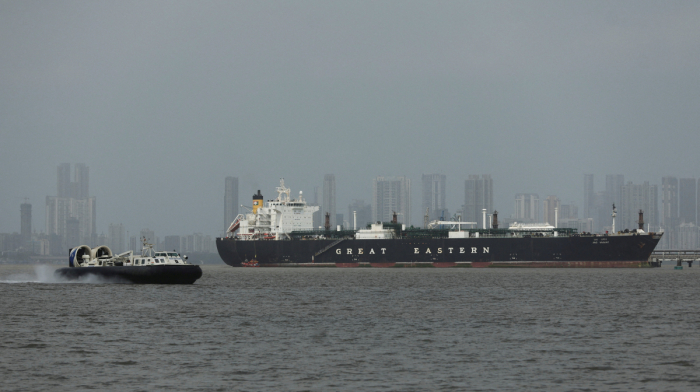
The mission is aimed at rapidly securing vital supplies of crude oil and naphtha as prolonged military disruptions severely restrict commercial shipping through the critical Strait of Hormuz.
Kang is scheduled to depart Seoul later on Tuesday, acting as the personal special envoy of President Lee Jae Myung. According to his official itinerary, he will hold emergency talks with foreign governments, state-owned energy conglomerates, and international ship operators.
The primary objective is to guarantee that contracted energy cargoes can bypass conflict zones and reach domestic ports without further delay, whilst also ensuring the stable supply of secondary key goods, including petroleum-derived medical products.
Vulnerability of Hormuz choke point
During a press briefing at the presidential Blue House, Kang explained the severe vulnerability of the South Korean economy to Middle Eastern volatility. He stressed that South Korea urgently needs to diversify its supply lines, noting that prior to the current crisis, the country relied almost exclusively on the Hormuz maritime route for approximately 61% of its total crude oil imports and 54% of its naphtha imports - a critical raw material for the nation's sprawling petrochemical industry.
"The government is actively working with international partners and allied naval forces to ensure the safe passage of 26 South Korean-flagged vessels currently waiting inside the Strait of Hormuz," Kang stated, highlighting the immediate physical danger to national shipping assets.
Kang confirmed that emergency shipments of crude oil and naphtha, secured last month from the United Arab Emirates under a rapid 24-million-barrel supply deal, have finally started arriving at South Korean ports.
However, while the UAE deal was executed to alleviate acute short-term supply panic, local media reports indicate that Kang’s current trip to Kazakhstan, Oman, and Saudi Arabia is focused entirely on securing longer-term, legally binding supply contracts to insulate the economy against a protracted Gulf conflict. Kang also used the briefing to urge households and businesses to actively participate in national energy-saving measures to help the country weather the tight supply conditions.
Protecting the semiconductor crown jewel
The energy crisis extends beyond crude oil, threatening South Korea's most lucrative export: microchips. Separately on Tuesday, Presidential Policy Adviser Kim Yong-beom addressed concerns regarding the supply chain for the technology sector. According to local media, Kim announced that the government has successfully secured approximately four months' worth of emergency helium supplies explicitly earmarked for the semiconductor industry.
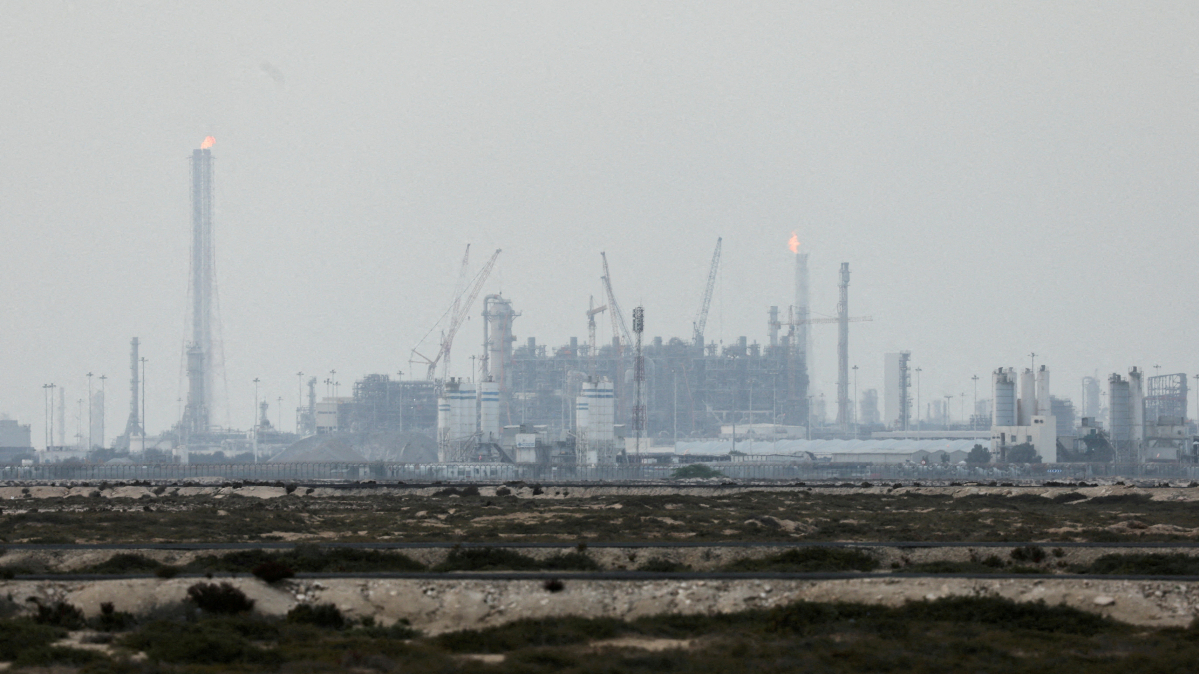
Helium is an absolutely critical, non-substitutable element required in the highly sensitive manufacturing processes of advanced semiconductors. Because it is primarily captured as a byproduct of liquefied natural gas (LNG) processing, the disruption in Middle Eastern gas exports posed an immediate, existential threat to South Korean tech giants such as Samsung and SK Hynix.
Securing this four-month buffer buys the government crucial time to establish new, non-Gulf supply chains for the vital gas.
Global procurement effort
South Korea imports roughly 70% of its total crude oil from the Middle East, a structural reality that leaves the world's 12th-largest economy highly exposed to sudden supply disruptions and the resulting sharp price swings on the spot market. In recent weeks, the Lee administration said it's scrambled to execute a massive, global procurement strategy to mitigate this risk.
Yang Ki-wook, Director General of the Office of Industry, Trade and Resource Security at the Trade Ministry, provided further details in a separate press briefing on Tuesday. He announced that the government, working in tandem with private refiners, has successfully secured 110 million barrels of alternative crude oil supplies to cover the crucial months of April and May. This monumental logistical effort required sourcing oil from 17 different nations, drastically reducing reliance on the Persian Gulf.
The breakdown includes 50 million barrels contracted for April delivery and a further 60 million barrels slated for May. Yang noted that alongside Saudi Arabia and the United States, these alternative supplies have been sourced from a highly diverse geographic portfolio, including Brazil, Australia, the Republic of Congo, Gabon, and Canada.
Citing internal ministry data, Yang confirmed that this emergency procurement strategy would successfully bring alternative, non-Hormuz supplies up to approximately 60% of the country's typical April demand, rising to 70% for May, thereby averting an immediate industrial shutdown.












What is your opinion on this topic?
Leave the first comment