The Israeli military said on Monday that Iran launched multiple waves of missiles at Israel, and an attack had also been launched from Yemen for the second time since the U.S.-Israeli war began on Tehran. It said two drones from Yemen were intercepted early 30 March but gave no further details.
Yemen's Iran-backed Houthi militia entered the war on Saturday, firing missiles at Israel, escalating a conflict that has engulfed the Middle East and raising the prospect they could target and block a second key shipping route, the Bab el-Mandeb Strait.
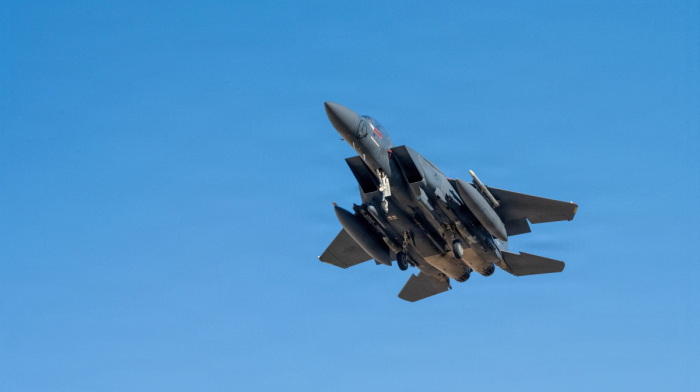
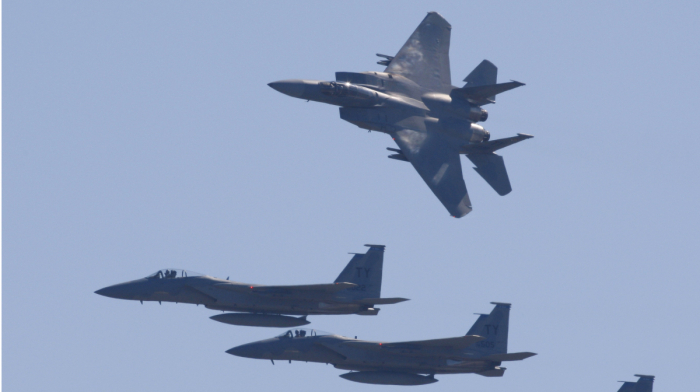
Israel's military also said the Air Force was carrying out strikes on Tehran on Monday, targeting what it described as military infrastructure.
Meanwhile, Iran's parliament speaker, Mohammad Baqer Qalibaf, has accused the U.S. of sending messages about possible negotiations while at the same time planning a ground invasion.
"As long as the Americans seek Iran's surrender, our response is that we will never accept humiliation," he said in a message to the nation.
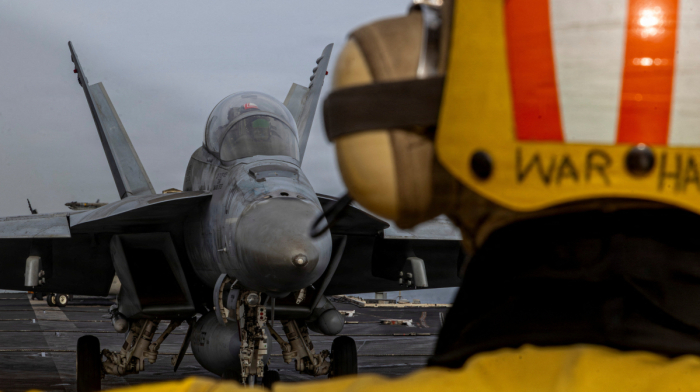
The U.S. Department of Defense has dispatched thousands of troops to the Middle East, giving Trump the option of launching a ground offensive.
Israeli strikes at the weekend
Israel's military said it had launched more than 140 air strikes on central and western Iran, including Tehran, over the 24 hours to Sunday evening, hitting ballistic missile launch sites and storage facilities, among other targets.
Iranian state media reported strikes had hit Mehrabad airport and a petrochemical plant in the northern city of Tabriz.
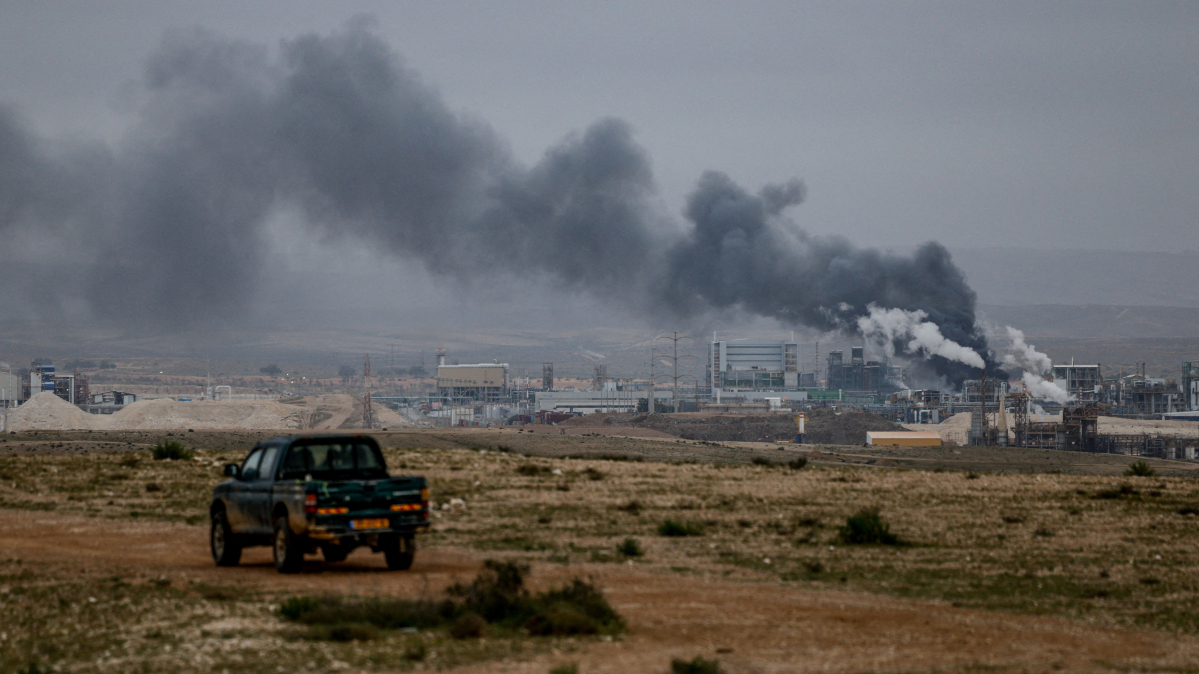
Meanwhile, a chemical plant in southern Israel near the city of Beersheba was hit by a missile or missile debris on Sunday as Israel fended off multiple salvos from Iran.
Israel to expand operations in southern Lebanon
Israeli Prime Minister Benjamin Netanyahu said on Sunday he had ordered the military to further expand its operations in southern Lebanon, citing continued rocket fire by Iran-backed Hezbollah militia.
Israel has said it will seize a chunk of southern Lebanon to create a "buffer zone" against Hezbollah, stoking fears among Lebanese of Israeli military occupation that could deepen instability and stoke further displacement.
Stocks, markets and airlines continue to be impacted
Stocks slumped in Asia on Monday as investors dug in for a protracted conflict, bringing a spike in inflation and the risk of recession to much of the globe. Japan's Nikkei index was down more than 3%.
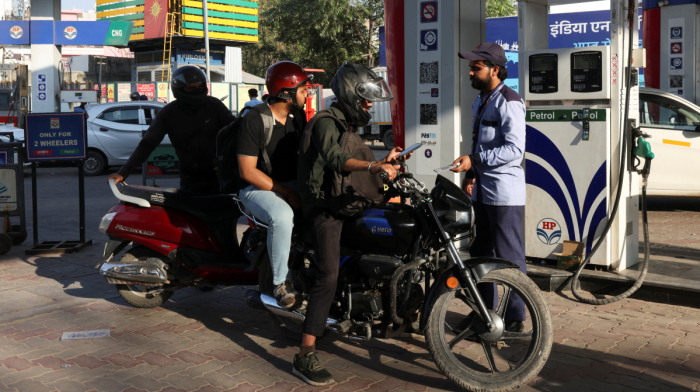
Meanwhile, oil prices looked poised to extend their gains, with Brent headed for a record monthly rise. Brent crude futures jumped $2.43, or 2.16%, to $115 a barrel by 0342 GMT after settling 4.2% higher on Friday.
Global airlines have begun to hike fares and cut capacity to cope with the surge in the oil price, but analysts warn the industry's ability to remain profitable may depend on whether consumers pull back on flying as energy costs threaten household budgets.














What is your opinion on this topic?
Leave the first comment