live Iran claims drone strikes on U.S. bases in Bahrain and Kuwait
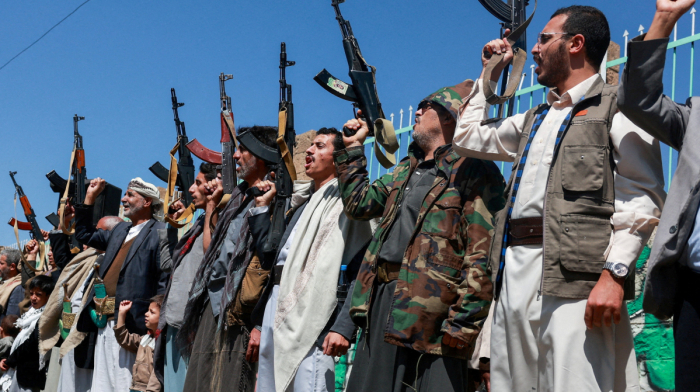
Iran’s army said it targeted U.S. military facilities in Bahrain and Kuwait with drone attacks. Tehran said the operations were carried out in retal...
A confirmed case of bird flu on a commercial farm in Brazil has prompted China to suspend poultry imports, while other countries introduce regional restrictions.
Brazil, the world's largest exporter of chicken, has reported its first confirmed outbreak of bird flu on a commercial farm, located in the city of Montenegro in Rio Grande do Sul state. The incident has led to China imposing a 60-day nationwide ban on Brazilian poultry imports, while countries such as Japan, Saudi Arabia and the UAE have applied state-level trade restrictions.
The affected state, Rio Grande do Sul, is responsible for 15% of Brazil’s poultry output. Meat giants BRF and JBS operate major processing facilities there, and the ban is expected to impact trade flows to some 150 countries. Brazil’s chicken exports were valued at $10 billion in 2024, accounting for around 35% of global trade.
The Agriculture Ministry stated that veterinary authorities have begun isolating the outbreak area and culling birds in accordance with health protocols. A 10-kilometre investigation zone has been established around the site. The Ministry also confirmed it has alerted the World Organization for Animal Health.
Agriculture Minister Carlos Favaro said that while the agreement with China enforces a country-wide ban, trade with other key markets may resume earlier. "If we manage to eliminate the outbreak, we think it’s possible to re-establish a normal trade flow before the 60 days are up, including with China," he told CNN Brasil.
Poultry shipments made before the outbreak confirmation will not be subject to restrictions. The Ministry reassured consumers that the virus is not transmitted through poultry meat or eggs, and that products from inspected sources remain safe.
The global poultry industry has faced challenges from bird flu since 2022. In the U.S. alone, over 170 million birds have died, and nearly 70 human infections have been recorded, raising concerns about the virus’s potential evolution.

Saudi Arabia said its overnight strikes on Iran-backed group targets in Iraq were carried out in self-defence and warned it would take further military action if the groups launched new attacks against the kingdom.
The U.S. military said it completed its latest wave of strikes on Iran, a two-hour operation that hit dozens of targets. Washington described the strikes as a "powerful response" to Iranian missile attacks targeting U.S. forces in the Middle East a day earlier.
Thousands of migrants have crossed into the Spanish exclave of Ceuta from Morocco, overwhelming border security and prompting local authorities to call for a national emergency and military deployment.
A fire involving two gas vessels at Egypt's Damietta port has prompted conflicting reports over whether the incident was caused by a drone strike or an onboard technical fault. Egyptian authorities said there were no casualties.
The death toll from the powerful earthquake that struck Japan’s southwestern Kumamoto prefecture has risen to 30, Prime Minister Sanae Takaichi said on Thursday, as water and power shortages left survivors exposed to extreme summer heat.
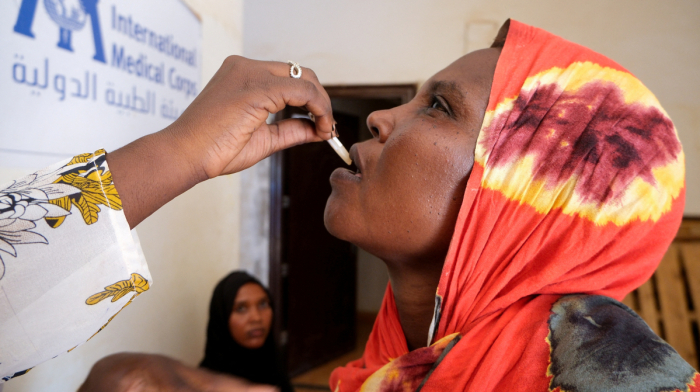
Cancer patients in Sudan are struggling to access life-saving treatment as soaring medication costs, power shortages and damaged hospital infrastructure deepen the country's healthcare crisis after more than three years of war.
The world risks a resurgence of the HIV epidemic after international funding fell by nearly a fifth last year, according to a new report from UNAIDS, which warned that decades of progress against the disease could be reversed without renewed global support.
A global shift towards healthier diets, more efficient farming and reduced food waste could cut greenhouse gas emissions from agriculture-related land-use change by 85% by 2050, according to a study published last week in the journal Nature.
Venezuelan health authorities have confirmed that three people have died from hantavirus infections, while stressing there is no evidence that the disease is spreading between people in the country.
Up to five cups of caffeinated coffee a day appears to be safe for most adults and may even help protect against heart disease and stroke, according to new research. Experts say energy drinks are a different story and may increase heart risks.
You can download the AnewZ application from Play Store and the App Store.
What is your opinion on this topic?
Leave the first comment