Analysis: U.S. sanctions on Iran have a big impact, but not necessarily in the intended places
Sanctions are a long-used tool designed as an alternative to military force and with the objective of changing governments’ behaviour, but they also...
Uzbekistan and Kazakhstan are expanding healthcare cooperation through education, training, and knowledge exchange, supporting Uzbekistan’s 2025 investment plans.
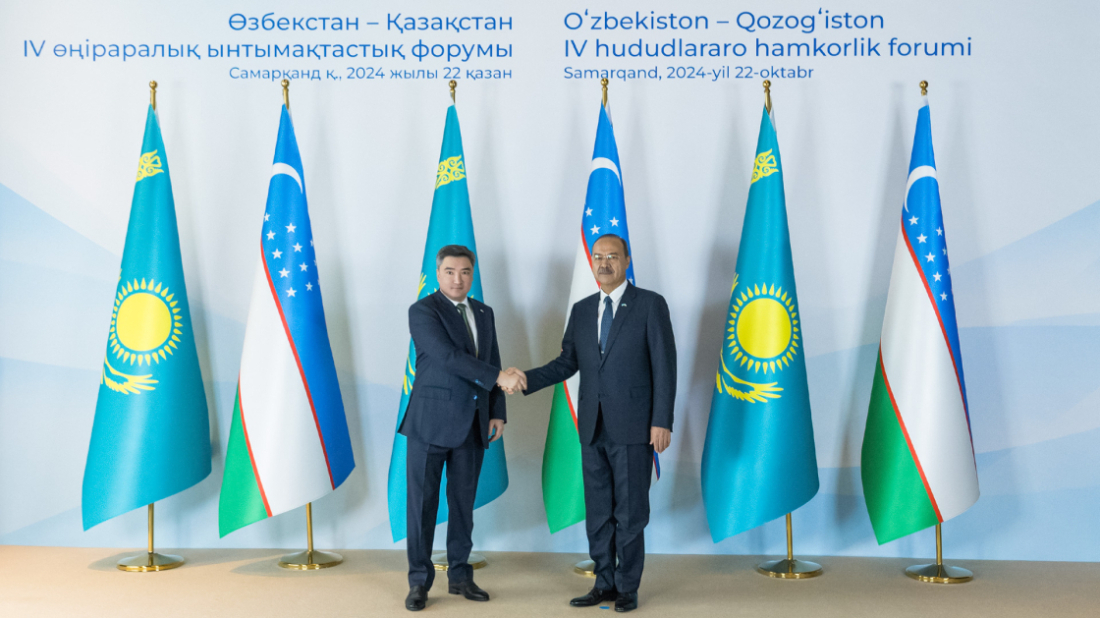
Uzbekistan’s Minister of Health, Asilbek Khudayarov, met with a Kazakhstani delegation led by Alexei Tsoi, head of the Medical Centre of the President’s Affairs Administration of Kazakhstan. The meeting, attended by Ambassador Beibut Atamkulov, focused on strengthening bilateral cooperation in the healthcare sector, UzA reports.
As part of the visit, the delegation toured a key consultative and diagnostic polyclinic under Uzbekistan’s presidential administration. Discussions highlighted the growing partnership between the two nations, with over 100 Kazakhstani students currently enrolled in Uzbekistan’s medical institutions.
A joint academic programme between Bukhara State Medical Institute and Al-Farabi Kazakh National University was launched in the 2024/2025 academic year, further enhancing medical education ties. Regular masterclasses and surgical training sessions involving specialists from Kazakhstan have also become a staple in Uzbekistan’s healthcare institutions.
During the discussions, Khudayarov outlined proposals to deepen collaboration in medical education and professional training. Tsoi shared insights into Kazakhstan’s healthcare management system, highlighting practices that could improve staff training and treatment standards in Uzbekistan.
The meeting aligns with Uzbekistan’s plans for major healthcare investments in 2025, demonstrating a shared commitment to advancing medical expertise and strengthening regional healthcare cooperation.

Minnesota Governor Tim Walz has activated the state’s National Guard following the fatal shooting of a U.S. citizen in Minneapolis, an incident that has triggered protests and intensified tensions between state and federal authorities.
Venezuela’s interim president Delcy Rodriguez said on Sunday the country should not fear pursuing energy ties with the United States, as Caracas seeks to expand oil and gas production and attract foreign investment.
Iran’s Foreign Ministry has strongly rejected a U.S. magazine report on the death toll during January unrest. Nationwide protests erupted in response to soaring inflation and a national currency crisis.
A mosaic portrait of Pope Leo XIV was illuminated on Sunday at the Basilica of St. Paul Outside the Walls in Rome, continuing a centuries-old Vatican tradition marking the election of a new pope.
The death toll from nationwide protests in Iran has climbed to 6,126, according to the U.S.-based Human Rights Activists News Agency (HRANA).
The World Health Organization (WHO) has said it regrets the United States’ decision to withdraw from the UN health agency and hopes Washington will resume active participation in the future.
Researchers in China said they have developed a “smart living glue” made from engineered gut bacteria that can detect internal bleeding and help repair intestinal damage, offering a targeted new approach to treating inflammatory bowel disease.
Mongolia has introduced a new decree to strengthen traditional Mongolian medicine and expand its international profile.
Save the Children has pledged to expand maternal and child health services across Afghanistan after its new country director met the country’s public health minister in Kabul on Wednesday.
China has announced plans to fully cover childbirth-related costs for families as authorities move to incentivise young couples to have more children.
You can download the AnewZ application from Play Store and the App Store.
What is your opinion on this topic?
Leave the first comment